


Cleaning Up an Acreage in Red Deer County: What to Do With Old Trucks, Cars and Farm Vehicles
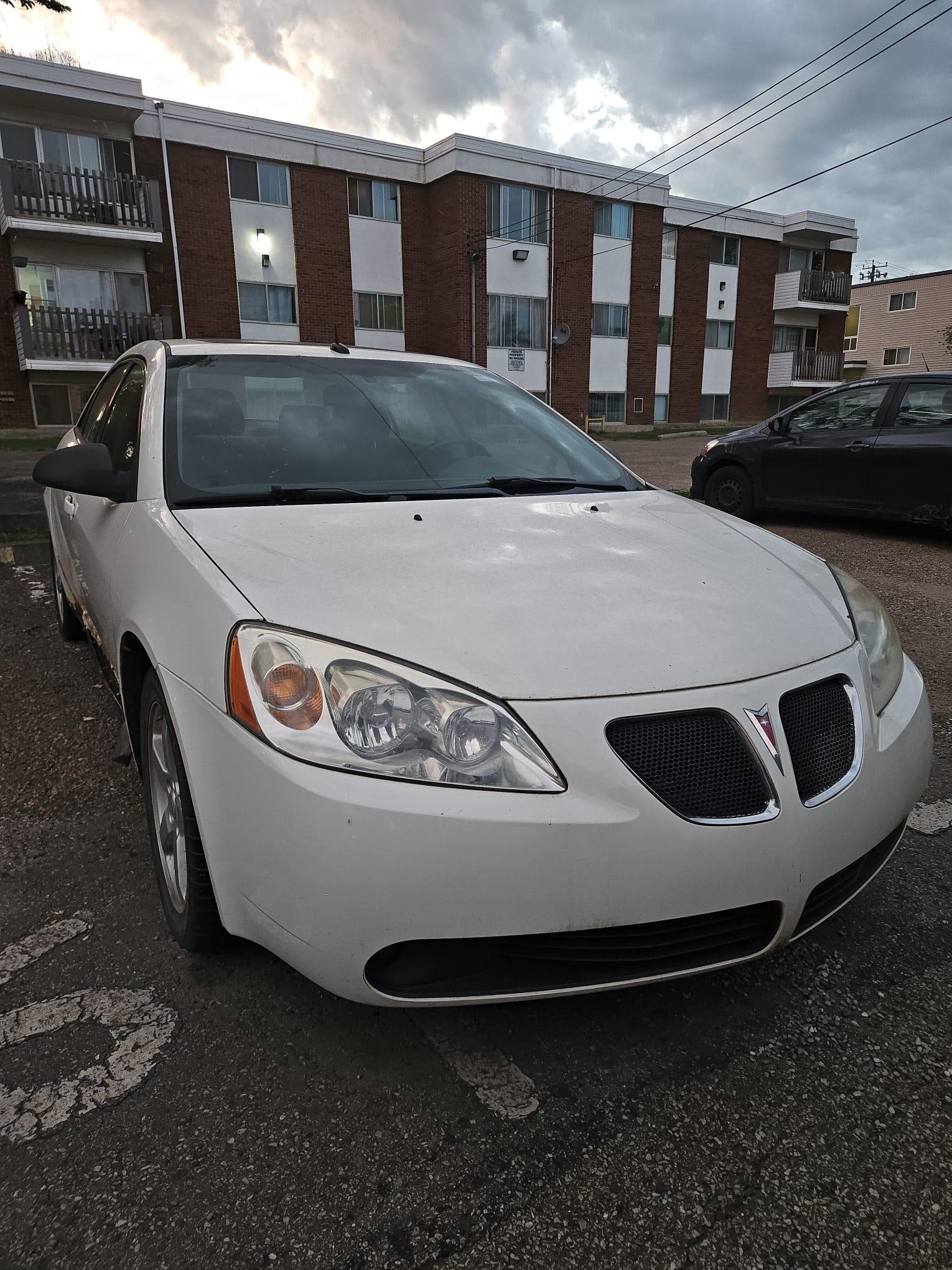
Almost every acreage in central Alberta has one. The half-ton behind the shop that stopped running two winters ago. The farm truck that was "going to be fixed." The sedan a grown child left behind, the parts car someone bought for a project, and the old vehicle that came with the property when you bought it. Out past the city limits, with room to spare, vehicles don't get sold. They get parked.
Then one day you're getting ready to sell the place, building a new shop, or just tired of mowing around rusting metal, and you realise you have four or five vehicles to deal with. This guide walks Red Deer County acreage owners through it: how to sort what you have, what each vehicle is likely worth, how to handle the paperwork for old or inherited vehicles, and how to get everything hauled away without wrecking your lane or your weekend.
Why Old Vehicles Pile Up on Central Alberta Acreages
In town, a dead car in the driveway gets noticed fast. On a few acres off a range road, it can sit for years. There's space, there's always a chance it might be useful for parts, and moving a non-running truck across a gravel yard is a job nobody wants to start. Add a farming or oilfield background, where keeping a spare truck around always made sense, and it's easy to see how a yard fills up.
The trouble is that time isn't kind to parked vehicles. Every central Alberta winter adds rust, every summer adds sun damage and cracked rubber, and mice treat a quiet engine bay as prime real estate. A vehicle that had real resale value five years ago may now be worth only its metal and parts. The sooner you deal with it, the more you usually get.
Step 1: Walk the Property and Make a List
Before you call anyone, take an afternoon and walk the whole property. Look behind the shop, along the shelterbelt, in the old quonset and down the back of the pasture. For each vehicle, write down:
• Year, make and model, if you know them.
• Whether it runs, has run recently, or hasn't moved in years.
• Whether it's complete or missing parts — engine, transmission, wheels, catalytic converter, doors.
• Whether it has tires that hold air and wheels that turn.
• Where it sits, and whether a tow truck can reach it in dry weather.
• What paperwork you have for it: registration, a bill of sale, or nothing at all.
Take a couple of photos of each one, including the VIN plate on the dash or the driver's door frame. That one list makes every next step faster, and it means you can get accurate quotes over the phone instead of having buyers drive out to look.
Step 2: Sort Each Vehicle Into the Right Pile
Not every vehicle on an acreage should go the same way. Sorting them into three groups saves money:
|
Group |
What it looks like |
Best route |
|
Keep |
Runs, gets used, or is worth restoring |
Insure it, register it if driven, store it properly |
|
Sell for value |
Runs or nearly runs, popular model, solid body |
Private sale or a local buyer quote, whichever pays more |
|
Scrap or sell as-is |
Doesn't run, rusted, incomplete, or a parts car |
A buyer who tows for free and pays at pickup |
Be honest with the "keep" pile. If a project truck hasn't been touched in three years, it probably isn't going to be. Clearing it now means you get its value while it still has some.
What Old Acreage Vehicles Are Actually Worth
People are often surprised in both directions. Some vehicles they thought were worthless bring a fair amount, and some they were sure were valuable are worth less than expected. A few things drive the price:
• Weight. Heavier vehicles carry more steel, so full-size pickups, vans and SUVs usually bring more than small cars.
• Completeness. A complete vehicle is worth more than one missing its engine, transmission or catalytic converter.
• Demand for parts. Popular trucks — older Ford, Chevrolet, GMC and Dodge pickups — often have parts that are still in demand.
• Condition. Anything that still runs or could be repaired cheaply may be worth more than scrap value.
• Metal prices. Scrap steel prices move with the market, so the same vehicle can be worth a little more or less from month to month.
For the non-runners, a buyer offering cash for scrap cars will look at weight, parts and completeness rather than whether the vehicle starts. Ask for a quote on each vehicle separately, and make sure the price includes towing so there are no surprises when the truck arrives.
Step 3: Sort Out the Paperwork (Especially for Old or Inherited Vehicles)
Paperwork is where acreage cleanups most often stall. A legitimate buyer will want to see that you have the right to sell each vehicle, so it's worth checking before anyone comes out.
Vehicles registered in your name
These are simple. Have your registration and government photo ID ready, and fill out a bill of sale for each one with both names, the VIN, the price and the date. Remove the licence plate before the vehicle leaves — in Alberta the plate belongs to you, not the vehicle.
Vehicles with lost paperwork
If the registration has expired or gone missing, a registry agent can usually help you confirm the vehicle's record and what you need to prove ownership. Bring your ID and the VIN. It's much easier to do this before you book a pickup than on the day.
Vehicles that belonged to someone else
This is the tricky one. If a relative left a truck on your land, the registered owner, or their estate, is the person who can sell it. If a vehicle came with the property when you bought it, check your purchase documents and talk to a registry agent about what's needed. Don't assume a vehicle is yours just because it's on your land, and be wary of any buyer who doesn't ask about ownership.
Farm-plated trucks
If an old farm truck is still registered, cancel or transfer the registration and call your insurer once it's sold so you're not paying for a vehicle you no longer own.
Step 4: Plan the Pickup Around Rural Realities
Getting a dead vehicle out of an acreage isn't the same as pulling one off a city driveway. A little planning makes the day go smoothly:
• Timing. Spring thaw turns lanes and pastures into mud, and rural municipalities often put weight restrictions on some roads during that season. Late summer, fall or a hard freeze is usually the easiest time to get a tow truck in and out.
• Access. Clear a path to each vehicle. Move equipment, open gates and point out soft spots, septic fields, water lines and buried cables.
• Directions. Rural addresses can be hard to find. Give the buyer your range road and township road, a landmark, and a pin from your phone.
• Batch it. If you have several vehicles, book them for the same visit. Many buyers will make a better offer, and you only clear the lane once.
• Seized wheels. Tell the buyer if a vehicle has flat tires, seized brakes or no wheels at all. It changes the equipment they bring.
A good scrap car removal service will ask about access, wheels and ground conditions before they come out. If they don't ask, mention it anyway.
Step 5: Protect Your Land Before and After
Old vehicles leak. Engine oil, coolant, transmission fluid and battery acid don't belong in your soil, especially near a well or dugout. Before the pickup, look under each vehicle for stains or soft, oily ground. After it's gone:
• Pick up loose parts, glass and small debris before they disappear into the grass.
• Collect any loose batteries and loose tires. Many scrap buyers won't take them separately, so ask, or take them to a proper recycling drop-off.
• Note any heavily stained ground so you can deal with it, particularly if you're planning to sell the property.
Removing old vehicles is one of the simplest ways to cut the risk of contamination on your land, and it's a lot cheaper than cleaning up soil later.
Why Clearing the Yard Pays Off When You Sell
If you plan to list your acreage, a yard full of dead vehicles works against you. It hurts listing photos, makes buyers wonder what else has been neglected, and can raise questions about contamination. Clearing the vehicles is one of the cheapest ways to improve first impressions, and you're paid for the vehicles rather than paying to remove them.
It also helps with your neighbours and your municipality. Red Deer County, like most rural municipalities in Alberta, has rules about unsightly property. If you're not sure what applies to your land, call the County before a complaint does it for you.
Choosing a Buyer Who Works for Acreage Owners
Many people search for cash for cars Red Deer and assume every buyer covers the county. Not all of them do. Before you book, ask:
1. Do you pick up from acreages outside the city, and is towing free out here?
2. Can you take several vehicles in one trip?
3. Is your quote the final amount, or can it change when you arrive?
4. How and when will I be paid?
5. What paperwork do you need from me?
Clear answers to those five questions tell you most of what you need to know. A reputable cash for cars Red Deer buyer will give you a firm number, show up when promised, pay before the vehicle leaves, and handle the bill of sale on the spot.
Quick Answers
Will someone take a vehicle with no engine or wheels?
Usually, yes. It's worth less than a complete vehicle, but it still has metal value. Tell the buyer exactly what's missing so the quote is accurate.
Is it worth selling an old truck privately instead?
If it runs and it's a popular model, get a private-sale estimate as well as a buyer quote. For non-runners and parts vehicles, a private sale is rarely worth the effort.
What's the best season for an acreage cleanup?
Late summer and fall, when the ground is firm and roads are open. Avoid spring thaw if your lane gets soft.
The Bottom Line
An acreage full of old vehicles feels like a big job, but it breaks down into simple steps: make a list, sort what to keep, sell or scrap, get the paperwork straight, and book one well-planned pickup. Do it on a dry weekend and you'll get your yard back, protect your land, and turn vehicles that were costing you space into money in your pocket.

 English
 Arabic
 French
 Spanish
 Portuguese
 Deutsch
 Turkish
 Dutch
Dutch
 Italiano
 Romaian
 Portuguese (Brazil)
 Greek
Greek
 Bengali