


How Businesses Can Reduce Risks From Outdated Computer Hardware
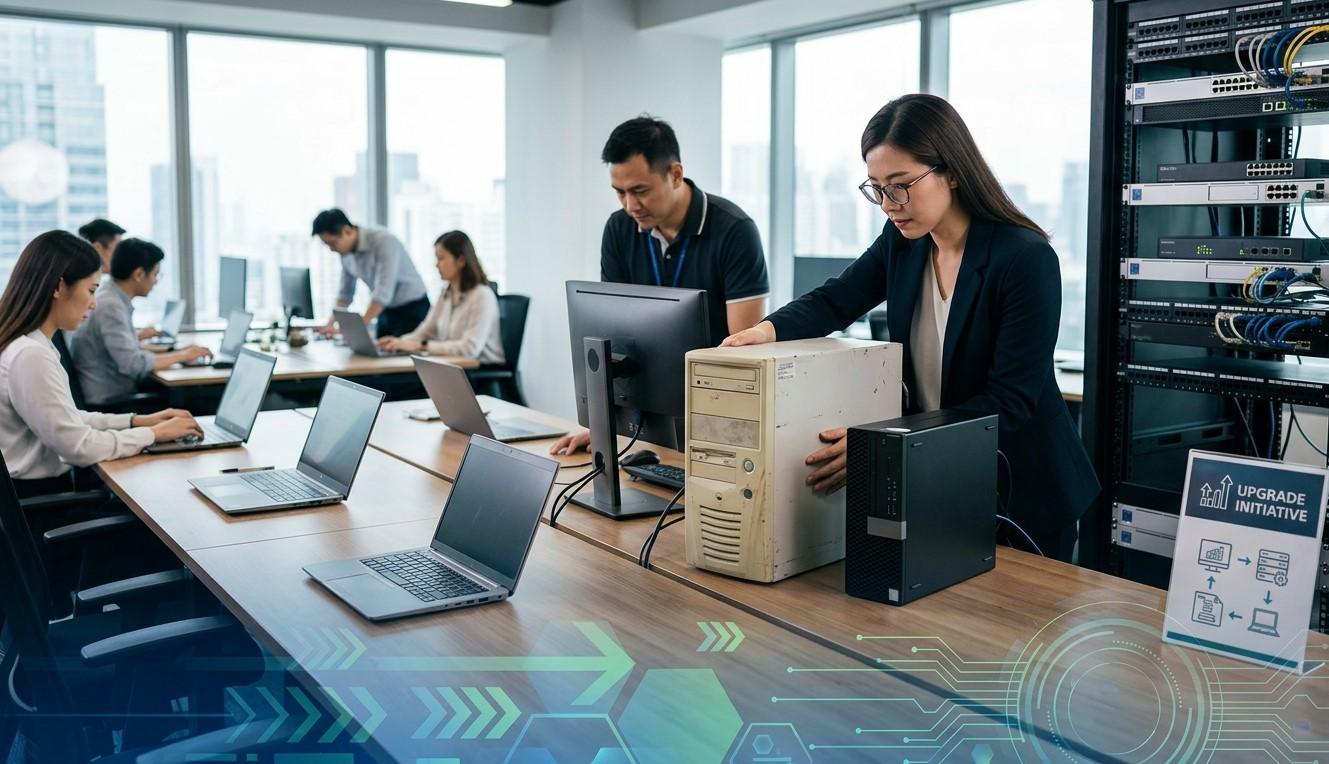
Computer hardware plays an important role in almost every modern business. Employees rely on desktops, laptops, servers, monitors, storage devices, and other equipment to communicate, access applications, manage information, and complete daily tasks. As hardware becomes older, however, it can gradually become slower, less reliable, and more difficult to secure. Continuing to use outdated equipment without a proper plan can create operational, security, and financial risks for a business.
Businesses can reduce these risks by regularly evaluating their computer hardware, monitoring device performance, planning replacements, and maintaining appropriate security controls. A proactive approach can help prevent unexpected failures and reduce disruptions to employees. Precision Fix provides computer support, managed IT services, cybersecurity assistance, and technology management solutions for organizations that need reliable infrastructure. For companies searching for Business IT Support Albany, NY, professional guidance can make it easier to identify outdated hardware and develop a practical replacement strategy.
What Makes Computer Hardware Outdated?
Computer hardware becomes outdated for several reasons. A device may be old enough that the manufacturer no longer provides support, or it may simply lack the performance required by modern software.
Signs of aging hardware can include:
-
Slow startup and shutdown times
-
Frequent system crashes
-
Insufficient memory
-
Limited storage capacity
-
Overheating
-
Frequent hardware errors
-
Incompatibility with newer software
-
Lack of manufacturer support
-
Increasing repair costs
-
Poor performance under normal workloads
Age alone does not always mean a computer needs to be replaced. A properly maintained device may continue to perform effectively for years. However, businesses should regularly evaluate whether existing equipment still meets operational, security, and performance requirements.
Understand the Risks of Outdated Hardware
Using old computers can create several risks for a business.
Older systems may struggle to run modern applications, making employees less productive. Hardware failures can result in downtime and unexpected repair costs.
Security can also become a concern. Older hardware may not support newer security features or operating systems, leaving businesses more exposed to cyber threats.
Outdated equipment can also make IT management more complicated because older devices may require different configurations, drivers, or maintenance procedures.
Understanding these risks is the first step toward developing an effective hardware management strategy.
Perform Regular Hardware Assessments
Businesses should regularly assess the condition and performance of their computers.
A hardware assessment can examine:
-
Device age
-
Processor performance
-
Memory capacity
-
Storage capacity
-
Storage health
-
Operating system compatibility
-
Battery condition
-
Hardware failures
-
Security capabilities
-
Manufacturer support
-
Repair history
This information helps businesses determine which devices are performing well and which may need attention.
Instead of replacing equipment based solely on age, businesses can prioritize devices according to performance, reliability, security, and business importance.
Create a Hardware Inventory
An accurate hardware inventory makes it easier to manage business computers.
The inventory should include information such as:
-
Computer make and model
-
Serial number
-
Purchase date
-
Assigned employee
-
Location
-
Operating system
-
Hardware specifications
-
Warranty status
-
Repair history
-
Expected replacement date
Businesses can use this information to identify groups of aging devices and plan replacements more effectively.
An organized inventory also helps IT teams respond faster when a device needs troubleshooting or repair.
Establish a Hardware Replacement Schedule
One of the most effective ways to reduce the risks associated with outdated computers is to establish a planned replacement schedule.
Rather than waiting until a computer fails, businesses can determine when devices should be evaluated for replacement.
A replacement schedule can consider:
-
Device age
-
Performance
-
Security requirements
-
Warranty status
-
Repair costs
-
Employee workload
-
Software requirements
-
Manufacturer support
A planned replacement approach makes technology expenses more predictable and reduces the likelihood of emergency purchases.
Businesses can also spread replacement costs across multiple budget cycles rather than replacing many devices at the same time.
Prioritize Critical Business Devices
Not every computer has the same importance.
A device used for basic administrative work may not present the same operational risk as a computer used for accounting, production management, customer service, or other critical functions.
Businesses should prioritize devices based on their role.
Critical systems should receive additional attention because hardware failure could have a greater impact on operations.
For example, replacing an aging computer used to manage important business applications may be more urgent than replacing an older device used for occasional tasks.
Keep Operating Systems Supported
Hardware and software work together.
Even if a computer still appears to function, an outdated operating system can create security and compatibility problems.
Businesses should ensure that their devices can support operating systems that receive ongoing security updates.
If older hardware cannot run a supported operating system, replacement may be necessary.
Maintaining supported systems is an important part of business cybersecurity because security updates help address newly discovered vulnerabilities.
Monitor Hardware Performance
Performance monitoring can help businesses identify computers that are becoming unreliable.
IT teams can track indicators such as:
-
CPU usage
-
Memory usage
-
Storage utilization
-
Disk health
-
Battery condition
-
System errors
-
Startup times
-
Application performance
-
Temperature
Repeated performance problems may indicate that a device is reaching the end of its useful life.
Monitoring also helps businesses distinguish between hardware problems and software or configuration issues.
Upgrade Hardware When Practical
Not every slow computer needs to be completely replaced.
Some devices can receive upgrades that extend their useful life.
Depending on the computer, businesses may be able to improve performance by adding:
-
More RAM
-
Faster storage
-
Additional storage capacity
-
Replacement batteries
-
Other compatible components
Hardware upgrades can sometimes provide a cost-effective solution for devices that are otherwise in good condition.
However, businesses should consider the age of the device and the availability of compatible components before investing in upgrades.
If a computer is already approaching the end of its useful life, replacement may provide better long-term value.
Improve Endpoint Security
Outdated hardware can create additional cybersecurity challenges.
Businesses should ensure that all supported computers have appropriate endpoint security controls.
These may include:
-
Endpoint protection
-
Antivirus software
-
Firewalls
-
Device encryption
-
Security updates
-
Strong authentication
-
Access controls
-
Regular security monitoring
If an old device cannot support modern security tools, it may represent a significant risk.
Businesses should identify unsupported or poorly protected devices and develop a plan to upgrade or replace them.
Protect Data Before Replacing Hardware
Replacing a computer requires more than simply purchasing a new device.
Businesses should make sure important information is protected before retiring old equipment.
Important data should be backed up before hardware replacement. Businesses should also identify the applications, settings, files, and accounts employees need on their new devices.
A reliable business data backup strategy can help protect information if an old computer fails before the replacement process is completed.
Securely Dispose of Old Computers
Businesses should not simply throw outdated computers into the trash.
Old devices may contain sensitive business information even after files have been deleted.
Before recycling, selling, donating, or disposing of equipment, businesses should use appropriate data sanitization methods.
Storage devices should be securely erased or physically destroyed when appropriate.
Businesses should also maintain records of retired assets so they know when equipment was removed from service and how it was disposed of.
Secure disposal is an important part of both IT asset management and data protection.
Train Employees to Report Hardware Problems
Employees often notice early warning signs before IT teams do.
A computer may become unusually slow, restart unexpectedly, overheat, produce unusual noises, or display recurring errors.
Employees should know how and when to report these problems.
Encouraging early reporting can help IT teams investigate issues before a complete hardware failure occurs.
A simple internal process for reporting technology problems can reduce downtime and improve the effectiveness of IT support for small businesses.
Budget for Hardware Replacement
Hardware replacement should be included in regular IT budgeting.
Businesses should estimate future replacement needs based on their asset inventory and expected device lifecycles.
A hardware budget can account for:
-
Computers
-
Monitors
-
Servers
-
Storage devices
-
Networking equipment
-
Accessories
-
Replacement parts
-
Setup and configuration
-
Data migration
Planning ahead gives businesses more flexibility and reduces the financial impact of unexpected equipment failures.
Consider Total Cost of Ownership
The purchase price of a computer is only one part of its total cost.
Businesses should also consider:
-
Maintenance
-
Repairs
-
Downtime
-
Energy consumption
-
Software compatibility
-
IT labor
-
Security management
-
Replacement parts
-
Employee productivity
An older computer may appear cheaper because the business already owns it, but repeated repairs and poor performance can make it more expensive over time.
A newer device may have a higher initial cost but provide better performance, reliability, security, and employee productivity.
Use Professional IT Support
Managing hardware lifecycles can become difficult as a business grows.
Professional IT support can help businesses maintain hardware inventories, monitor computer performance, troubleshoot problems, plan replacements, improve endpoint security, and manage device deployments.
Precision Fix offers computer repair, managed IT services, cybersecurity support, remote IT support, networking, and technology management solutions. Businesses looking for Business IT Support Albany, NY can benefit from professional assistance when evaluating aging computers and developing a proactive hardware management strategy.
With the right support, businesses can reduce hardware-related risks while making better long-term technology investments.
FAQs
How do I know when a business computer needs to be replaced?
Common signs include frequent crashes, slow performance, hardware failures, increasing repair costs, lack of operating system support, and inability to run required business applications.
Is it better to upgrade or replace an old computer?
It depends on the device's age, condition, compatibility, and upgrade options. If a relatively modern computer only needs additional memory or faster storage, an upgrade may be practical. Very old or unsupported devices are generally better candidates for replacement.
Can outdated hardware create cybersecurity risks?
Yes. Older hardware may not support current operating systems, security tools, or hardware-based security features. Unsupported systems can increase a business's exposure to security vulnerabilities.
How often should businesses review their computer hardware?
Businesses should conduct regular hardware assessments and maintain an up-to-date asset inventory. A detailed review at least annually can help identify devices approaching the end of their useful life.
What should businesses do with old computers?
Businesses should securely remove sensitive information before recycling, donating, selling, or disposing of old equipment. Proper data sanitization should be part of the retirement process.
Final Thoughts
Outdated computer hardware can affect business productivity, cybersecurity, reliability, and IT costs. While older devices do not automatically need to be replaced, businesses should regularly evaluate whether their equipment continues to meet current performance, security, and operational requirements.
Creating an accurate hardware inventory, monitoring device performance, maintaining supported operating systems, upgrading equipment when practical, planning replacements, and securely disposing of retired devices can significantly reduce technology risks.
A proactive hardware management strategy also allows businesses to budget more effectively and avoid unnecessary emergency purchases. Instead of waiting for an important computer to fail, organizations can identify aging equipment and replace it according to a planned schedule.
For businesses seeking Business IT Support Albany, NY, Precision Fix can assist with computer support, managed IT services, cybersecurity, network management, remote IT support, and technology planning. Professional guidance can help businesses maintain dependable hardware while building a more secure, efficient, and reliable technology environment.

 English
 Arabic
 French
 Spanish
 Portuguese
 Deutsch
 Dutch
Dutch
 Italiano
 Russian
 Romaian
 Portuguese (Brazil)
 Greek
Greek
 Bengali