


How Does Telling Time With Cards Help Children Learn
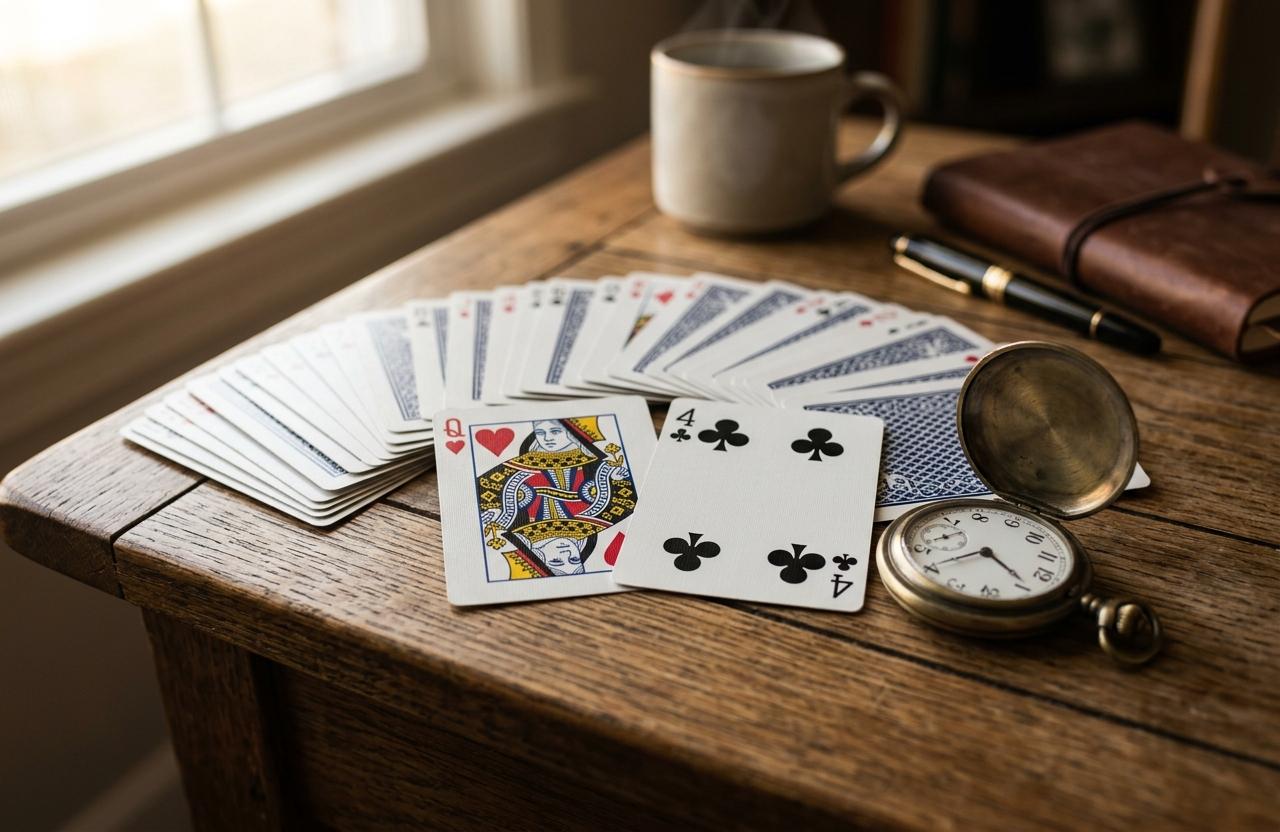
Learning to tell time is an important skill for children, but understanding hours, minutes, and the movement of clock hands can sometimes feel confusing. Traditional teaching methods often rely on worksheets or explanations, which may not keep young learners interested. Telling Time With Cards offers a simple, interactive, and enjoyable way to make time-learning more practical.
Time cards can help children recognise clock faces, match digital and analogue times, arrange events in sequence, and practise reading different times. Because cards are visual and easy to handle, they can be used at home, in classrooms, tutoring sessions, or educational activities.
What Is Telling Time With Cards?
Telling Time With Cards is a learning activity that uses specially designed cards to teach children how to read and understand time. Depending on the activity, each card may display an analogue clock, a digital time, a written time, or an everyday activity connected with a particular time.
For example, one card might show an analogue clock displaying 3:00, while another card says “three o’clock.” The child can match the two cards together. More advanced activities can include times such as 3:15, 3:30, or 3:45.
This approach turns time learning into a practical matching and recognition activity rather than simply memorising information.
Why Are Time Cards Useful for Children?
They Make Learning Visual
Children often understand concepts more easily when they can see them. A clock card gives learners a visual representation of hours and minutes. Instead of only hearing that the minute hand points to a particular number, children can look at the clock and identify the position themselves.
Visual learning can make difficult concepts easier to remember.
They Encourage Active Learning
With cards, children can move, sort, match, and organise information. This makes them active participants in the learning process.
For example, a teacher can place several time cards on a table and ask students to arrange them from the earliest time to the latest time. This activity combines time recognition with logical thinking.
They Support Repetition
Children need regular practice to become confident at telling time. Cards can be reused for short practice sessions without requiring new worksheets every time.
A parent might select five cards each morning and ask a child to identify the times. Over several days, the child can gradually become faster and more accurate.
How Does Telling Time With Cards Work?
The simplest activity involves showing a child one card at a time. The child looks at the clock and says the time aloud.
For beginners, start with whole hours such as:
- 1:00
- 4:00
- 7:00
- 10:00
Once the child understands whole hours, introduce half hours and quarter hours. Later, move to five-minute intervals and more challenging times.
Another useful activity is matching. Give children analogue clock cards and separate cards containing written or digital times. Ask them to find the correct pairs.
For example:
Analogue clock: 6:30
Digital card: 6:30
Written card: Half past six
Matching these representations helps children understand that the same time can be expressed in different ways.
Teaching Hours and Minutes With Cards
Understanding the difference between the hour hand and minute hand is one of the most important parts of learning to tell time.
Start by explaining that the shorter hand generally indicates the hour, while the longer hand indicates the minutes. Use cards with clearly displayed clock faces to reinforce this distinction.
For example, if the hour hand is pointing near 8 and the minute hand is pointing at 12, the time is 8:00.
Next, introduce the five-minute pattern around the clock:
12 = 00 minutes
1 = 05 minutes
2 = 10 minutes
3 = 15 minutes
4 = 20 minutes
5 = 25 minutes
6 = 30 minutes
A set of cards can help children practise these relationships until they become familiar.
Fun Activities for Telling Time With Cards
Match the Time
Create two sets of cards. One set contains analogue clocks and the other contains digital times. Mix them together and ask children to find matching pairs.
Put the Cards in Order
Give a child several cards showing different times. Ask them to arrange the cards from earliest to latest.
For example:
8:00 → 10:30 → 12:15 → 3:45 → 6:00
This activity helps children understand the sequence of time during a day.
Find the Missing Time
Place three cards in a sequence and remove one. Ask the child to identify which time is missing.
For example:
9:00 → 10:00 → [missing] → 12:00
The answer is 11:00.
Time and Daily Activities
Cards can also connect time with everyday routines. A card could show 7:00 with a picture of breakfast, while another shows 8:00 with a school activity.
This helps children understand that telling time is not just a mathematical skill. It is something they use throughout their daily lives.
How Can Parents Use Time Cards at Home?
Parents do not need a complicated lesson plan to practise time. A few minutes each day can be enough.
Start by choosing a small number of cards. Ask the child to identify each time and explain how they know the answer. If the child makes a mistake, encourage them to look carefully at both clock hands rather than immediately giving them the answer.
Parents can also use real-life situations. If dinner usually happens at 7:00, show the child a card with 7:00 and connect it to the daily routine.
This combination of cards and real-world examples can make learning more meaningful.
How Can Teachers Use Telling Time With Cards?
Teachers can incorporate time cards into individual work, group activities, or classroom games.
For group learning, divide students into small teams and give each team a selection of cards. Ask them to match analogue and digital times. The team that completes the activity accurately can explain some of its answers to the class.
Teachers can also use cards as quick assessment tools. Showing a card and asking students to write the time provides a simple way to check understanding without a formal test.
Progressing From Simple to Advanced Times
The key to successful time learning is gradual progression. Children should first become comfortable with whole hours before moving to more complicated times.
A useful progression is:
- Whole hours
- Half hours
- Quarter hours
- Five-minute intervals
- Individual minutes
- Digital and analogue time conversion
- Time differences and elapsed time
Time cards can support every stage of this process. As children improve, cards can become more challenging.
Common Mistakes When Learning Time
Some children confuse the hour and minute hands, especially when the hands are close together. Others may know the numbers on the clock but struggle to understand that each number represents five minutes when reading the minute hand.
Consistent practice can help overcome these difficulties. Instead of rushing through many cards, focus on accuracy first. Ask children to explain their thinking so you can identify where confusion occurs.
Conclusion
Telling Time With Cards provides an engaging and flexible way to help children develop an important everyday skill. Through matching, sorting, sequencing, and practical activities, children can learn to recognise analogue and digital times while building confidence.
Whether used by parents at home or teachers in the classroom, time cards make learning interactive and repeatable. Starting with simple whole hours and gradually introducing more complex times allows children to develop their skills at a comfortable pace. With regular practice and encouraging activities, telling time can become a clear and enjoyable part of early learning.

 English
 French
 Spanish
 Portuguese
 Deutsch
 Turkish
 Dutch
Dutch
 Italiano
 Russian
 Romaian
 Portuguese (Brazil)
 Greek
Greek
 Bengali