


Dental Crown vs. Filling: Which Is Right for Your Tooth?
You feel a rough edge with your tongue, or a sharp twinge when you bite down. A visit to the dentist confirms it: the tooth is damaged. Then comes the question that leaves many patients unsure. Do you need a dental crown or a filling?
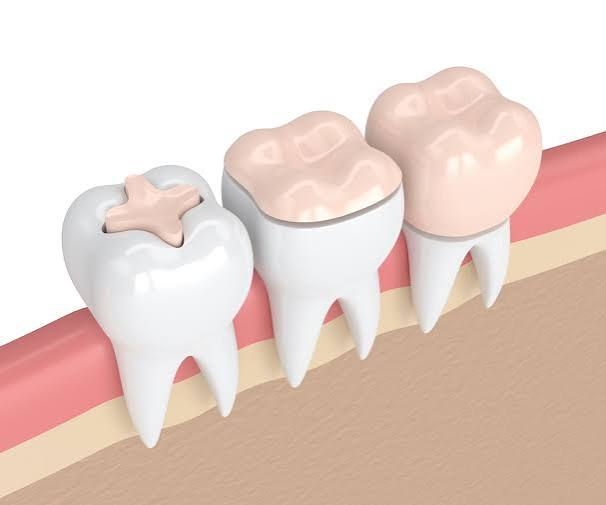
Both are common forms of restorative dentistry, and both rebuild teeth that have been weakened by decay or injury. But they do different jobs. A filling repairs a small, specific area. A crown covers and protects the entire visible tooth. Choosing the wrong one can mean repeating the repair later, so it's worth understanding how they differ.
This guide explains how dental crowns and fillings work, when each is the better choice, and which factors dentists weigh when recommending damaged tooth treatment. Whether you're comparing options before an appointment or trying to make sense of a treatment plan, you'll find clear, practical answers below.
Understanding the Basics: What Each Treatment Does
Before comparing, it helps to know what each treatment actually is.
What Is a Dental Filling?
A filling replaces tooth structure lost to a cavity or minor damage. The dentist removes the decayed or damaged portion, cleans the area, and fills the space with a restorative material. The filling seals the tooth against bacteria and restores its shape and function.
Modern fillings are often made of composite resin, a tooth-colored material that blends with the surrounding tooth. Silver amalgam fillings are still used in some situations. Because a filling only replaces the damaged portion, it preserves as much natural tooth as possible.
What Is a Dental Crown?
A dental crown is a custom-made cap that fits over the entire visible portion of a tooth. To place one, the dentist reshapes the tooth slightly so the crown can fit, then bonds the finished restoration on top. The crown acts like a protective shell that holds a weakened tooth together and spreads chewing forces evenly.
You can read more about the process, materials, and benefits on the Eagle Falls Dentistry page for dental crowns. Crowns are commonly made from zirconia, porcelain, porcelain-fused-to-metal, or gold, depending on the tooth and the patient's needs.
The Simple Way to Think About It
A filling is like patching a pothole. A crown is like reinforcing the whole road section. If the damage is small and the structure around it is strong, a patch works well. If the surrounding structure is weak, a patch alone may not hold.
Dental Crown vs. Filling at a Glance
|
Factor |
Filling |
Crown |
|
Best for |
Small to moderate cavities, minor chips |
Large damage, cracks, weakened teeth |
|
Tooth coverage |
Fills a portion of the tooth |
Covers the entire visible tooth |
|
Natural tooth removed |
Minimal |
More (to make room for the crown) |
|
Typical visits |
Usually one |
One (same-day) or two |
|
Upfront cost |
Lower |
Higher |
|
Typical lifespan |
Often 5 to 15 years, depending on material and size |
Often 10 to 15+ years |
|
Strength added |
Limited |
Significant |
This is a general overview. Your dentist will tailor a recommendation to your specific tooth.
When a Filling Is Enough
Dentists generally prefer the most conservative treatment that will work well. That's why fillings come first whenever they're a good fit.
Small to Moderate Cavities
If decay is caught early and hasn't spread widely, a filling usually restores the tooth completely. Regular checkups and digital X-rays help detect cavities when they're still small, which keeps treatment simple.
Minor Chips or Worn Spots
A small chip on a tooth that otherwise feels solid can often be repaired with a filling or bonding. This is a common choice for minor cosmetic and functional fixes.
Strong Remaining Tooth Structure
A filling works best when plenty of healthy tooth remains to support it. When the tooth walls are thick and intact, a filling can hold up well under normal chewing.
Tooth-Colored Fillings: A Natural-Looking Choice
Many patients choose tooth-colored fillings because they match the natural tooth and are usually placed in a single visit. They bond directly to the tooth, which can help conserve healthy structure. If aesthetics matter to you, composite is often a strong option for small to medium repairs.
How Long Do Fillings Last?
This is one of the most common questions. Fillings often last between 5 and 15 years, depending on the material, the size of the filling, and your habits. Larger fillings tend to wear out sooner because they carry more of the chewing load. Grinding, chewing hard foods, and skipping dental visits can shorten their lifespan.
When a Crown Is the Better Choice
Sometimes a filling simply isn't enough. In these situations, a crown offers protection and longevity a filling can't provide.
Large Cavities and Extensive Decay
When decay has destroyed a significant portion of the tooth, a filling may leave thin, unsupported walls that are prone to breaking. Large cavity treatment often calls for a crown because it holds the entire tooth together rather than just filling the hole.
Cracked or Fractured Teeth
A crack can spread under pressure. A filling can't hold the tooth together, but a crown wraps around it and helps prevent the crack from worsening. If you're noticing pain when biting or lingering sensitivity, your tooth may have a crack that needs more than a filling.
A Failing or Oversized Filling
If an old filling is breaking down or has grown very large, replacing it with another filling may only buy a little time. A crown can restore the tooth's strength and reduce the chance of future fractures.
After a Root Canal
Teeth that have had root canal treatment often become more brittle. For this reason, dentists commonly recommend placing a crown after a root canal to protect the tooth. The root canal and crown combination is one of the most common pairings in restorative dentistry.
Heavily Worn or Weakened Teeth
Years of grinding or acid erosion can wear teeth down significantly. A crown rebuilds the shape and function of a worn tooth and protects what remains.
Back Teeth With Heavy Chewing Forces
Molars handle the most pressure when you eat. A damaged molar often benefits from the added strength of a crown, especially when a significant amount of tooth structure is missing.
Key Factors Your Dentist Considers
The right answer isn't always obvious from looking at a tooth. Dentists weigh several factors together before recommending a treatment.
How Much Healthy Tooth Remains
This is often the deciding factor. If more than a modest portion of the tooth is damaged, a filling may not have enough support to last. A crown is designed for situations where the tooth needs reinforcement.
The Location of the Tooth
Front teeth handle less force but are highly visible, so appearance matters. Back teeth take heavy chewing loads, so strength matters more. The same amount of damage might call for a filling on a front tooth and a crown on a molar.
Your Bite and Habits
Grinding, clenching, and chewing ice can break down both fillings and crowns. If you grind your teeth, a custom night guard can protect your restoration, whichever one you choose.
Your Oral Health History
Gum health, past decay, and how well you maintain your teeth all matter. Healthy gums support any restoration, and a thorough comprehensive dental exam helps your dentist see the full picture before making a recommendation.
Dental Crown Cost vs. Filling
A crown costs more upfront than a filling, and that difference is understandable. A crown requires more materials, precision work, and tooth preparation. However, cost shouldn't be viewed in isolation.
If a filling is likely to fail on a heavily damaged tooth, you may end up paying for the filling and then the crown later. In that case, the more durable option can be the better value over time. Insurance often covers part of both treatments, and the dental office can help you understand your benefits before you decide.
Long-Term Goals
Do you want the most conservative treatment possible, or the longest-lasting protection? A filling saves more natural tooth. A crown offers stronger protection for compromised teeth. Talk through your priorities with your dentist so the plan fits your needs.
What to Expect: The Treatment Process
Knowing what happens during each procedure can ease anxiety about getting started.
The Filling Process
-
The area is numbed with local anesthesia.
-
Decayed or damaged material is removed.
-
The tooth is cleaned and prepared.
-
Filling material is placed, shaped, and hardened.
-
Your bite is checked and the filling is polished.
Most fillings are completed in a single visit, and you can usually eat once the numbness wears off.
The Crown Process
-
The tooth is numbed and examined.
-
The tooth is shaped to make room for the crown.
-
A digital scan or impression captures its exact shape.
-
The crown is fabricated to fit your tooth and bite.
-
The crown is fitted, adjusted, and bonded in place.
Same-Day Dental Crowns
Many people hesitate over crowns because they dread temporary caps and multiple visits. Eagle Falls Dentistry offers same-day dental crowns using in-office technology, so a crown can be designed, milled, and placed in a single appointment for many cases. That means fewer trips, no temporary crown, and a finished restoration much faster.
Can a Filling Turn Into a Crown Later?
Yes, and it's more common than people realize. A filling that was the right choice years ago may no longer be enough as the tooth ages. Fillings can wear, leak, or crack, and the tooth around them can weaken.
If your dentist suggests upgrading a filling to a crown, it doesn't mean the earlier treatment was wrong. It often means the tooth needs more support than it did before. Catching that change early can help you avoid a break, an infection, or the need for more complex procedures.
If a damaged tooth causes severe pain, swelling, or breaks suddenly, don't wait for a routine appointment. These can be dental emergencies that deserve prompt care.
How to Protect Your Restoration
Whichever treatment you choose, a few habits help it last.
-
Brush twice daily and floss every day. The natural tooth next to a filling or crown can still decay.
-
Keep up with cleanings. Regular dental cleanings remove the plaque that daily brushing can miss.
-
Avoid chewing hard objects. Ice, hard candy, and pen caps are common causes of damage.
-
Wear protection when needed. A night guard helps with grinding, and a custom sports guard protects teeth during sports.
-
Report changes early. Sensitivity, a rough edge, or a bite that feels different are worth a call.
Frequently Asked Questions
Is a crown better than a filling?
Neither is better in every case. A filling is ideal for small to moderate damage, while a crown is better for large cavities, cracks, and weakened teeth. The right choice depends on how much healthy tooth remains.
Do crowns last longer than fillings?
Generally, yes. Crowns often last 10 to 15 years or more, while fillings typically last 5 to 15 years depending on size and material. Larger fillings tend to wear out sooner.
Does getting a crown hurt more than a filling?
Both are performed with local anesthesia, so you shouldn't feel pain during treatment. A crown involves more preparation, so mild soreness afterward is common but usually short-lived.
Can I choose a crown instead of a filling?
That's a conversation to have with your dentist. Dentists typically recommend the most conservative treatment that will work, since a crown requires removing more natural tooth.
Will my insurance cover a crown or a filling?
Many plans cover part of the cost of both, though coverage varies. The dental office can help check your benefits and estimate your out-of-pocket costs.
Making the Right Choice for Your Tooth
The dental crown vs. filling decision comes down to one idea: match the treatment to the tooth. Small, contained damage with strong surrounding structure is usually well served by a filling. Large decay, cracks, root canal–treated teeth, and heavily worn teeth are often better protected by a crown. Considering your bite, habits, budget, and long-term goals helps you choose with confidence.
The best way to know for sure is a professional evaluation. If you're dealing with a damaged tooth and aren't sure which direction to go, the team at Eagle Falls Dentistry can examine the tooth, explain your options clearly, and recommend the right fit. Learn more about dental crowns in Bloomingdale, or contact the office to schedule a visit. Acting early is the surest way to keep your natural tooth healthy for years to come.

 English
 Arabic
 French
 Spanish
 Portuguese
 Deutsch
 Turkish
 Dutch
Dutch
 Russian
 Romaian
 Portuguese (Brazil)
 Greek
Greek
 Bengali