


What Happens at a Baby's First Dental Checkup: A Parent's Guide
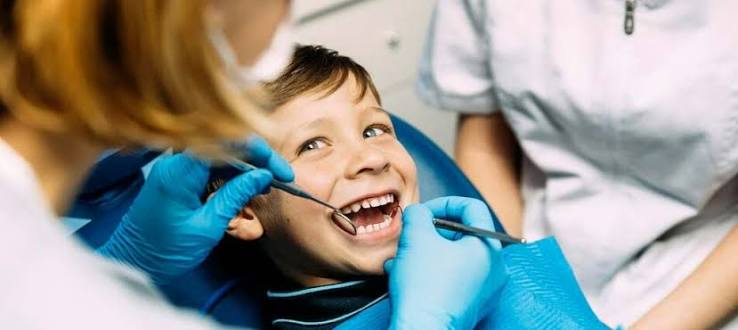
You've celebrated the first smile, the first roll, and maybe the first tiny tooth. Then someone mentions your baby needs a dentist, and the questions start. Isn't that a bit early? What can a dentist even do for a baby who may not have teeth yet? And will your little one scream the whole time?
Take a breath. A baby's first dental visit is one of the gentlest appointments your child will ever have. It's short, calm, and designed as much for you as for your baby. Pediatric dentists use it to check how your baby's mouth is developing, answer your questions, and set up habits that protect those first teeth for years.
This guide explains what to expect at your baby's first dentist appointment, from the right age to book, to how to prepare, to what happens in the exam chair, so you can walk in feeling confident instead of nervous.
When Should a Baby See a Dentist for the First Time?
The American Academy of Pediatric Dentistry recommends scheduling a first dental visit by your child's first birthday, or within six months after the first tooth appears, whichever comes first. That guidance can feel surprising, but it's grounded in how quickly early cavities can develop.
Why So Early?
Baby teeth can decay as soon as they erupt. Milk, formula, and even natural sugars feed oral bacteria, and early childhood tooth decay is one of the most common chronic conditions in young children. A first visit lets a professional catch concerns before they become painful, and gives you personalized guidance rather than generic internet advice.
What If My Baby Has No Teeth Yet?
Many healthy babies don't get their first tooth until close to their first birthday. A visit is still worthwhile. Bacteria can build up on gums even before teeth appear, and a dentist can evaluate gum health, soft tissues, and oral development, including how well your baby's mouth is functioning for feeding.
Common Myths About the First Dental Visit
A few misconceptions keep parents from booking early:
-
"Baby teeth fall out anyway, so they don't matter." Baby teeth help your child chew and speak, and they hold space for permanent teeth. Untreated decay can cause pain and infection.
-
"We'll go once all the teeth are in." Waiting until age three or later means missing the window when prevention works best.
-
"Only candy causes cavities." Frequent milk, juice, and starchy snacks can also feed decay-causing bacteria.
Why the First Dental Visit Matters
A first checkup isn't about drills or procedures. It's about prevention, education, and comfort. Here's what it accomplishes:
-
Early cavity prevention: Identifying risk factors, such as feeding habits or enamel issues, before decay starts.
-
Monitoring development: Tracking tooth eruption, bite development, and gum health.
-
Parent education: Showing you how to clean gums and teeth, use fluoride safely, and manage teething.
-
A positive first impression: Babies and toddlers who start early are often more relaxed at later visits.
-
A dental home: A trusted practice you can call with questions and rely on in an emergency.
At Owl Pediatric & Orthodontic Dentistry, this early-care philosophy is the foundation of their dentistry for infants services, which include gentle gum and tooth examinations, teething support, and feeding and habit counseling.
How to Prepare Your Baby for the Dentist
A little planning goes a long way toward a smooth appointment.
Choose the Right Time of Day
Book around your baby's natural rhythm. A well-rested, recently fed baby is far more cooperative than a hungry or sleepy one. For many families, mid-morning works well, but you know your baby best. Avoid your usual nap time or right after a big feed, since a full tummy and a sleepy baby rarely mix well with a gentle exam.
Gather What You'll Need
Bring these items to your first visit:
-
Your insurance information and any completed forms
-
Your baby's medical history, including any medications or allergies
-
A list of your questions or concerns
-
A comfort item, such as a favorite blanket, pacifier, or small toy
-
A bottle or snack for afterward, if appropriate
Prepare Yourself, Too
Babies are remarkably good at picking up on parental stress. Speak about the visit in a calm, upbeat tone. If you're nervous about dentists yourself, try not to let it show, and let the team know. A good pediatric practice is used to supporting anxious parents as well as babies. Arriving ten minutes early also gives you time to finish paperwork without rushing.
Practice at Home
You don't need to do anything elaborate. Gently wiping your baby's gums with a clean, damp cloth after feedings helps them get used to having their mouth touched. Our guide to baby teething symptoms and relief offers more ideas for keeping your baby comfortable as teeth emerge.
What Happens at a Baby's First Dental Checkup
Every practice has its own flow, but most infant visits follow a similar rhythm. Plan for about 20 to 30 minutes, depending on your baby's comfort.
A Warm Welcome
The visit begins before you reach the chair. In a child-focused office, the team greets you, shows you around, and gives your baby time to take in the surroundings. This relaxed introduction matters. It builds trust and sets a friendly tone.
The Knee-to-Knee Exam
Don't expect your baby to lie back alone in a big dental chair. Pediatric dentists commonly use the knee-to-knee exam. You and the dentist sit facing each other with your knees touching. You hold your baby facing you, and then gently lay their head in the dentist's lap. This position keeps your baby close to you, helps them feel secure, and gives the dentist a clear view of the mouth.
Some babies fuss or cry. That is completely normal, and it doesn't mean anything went wrong. Crying actually opens the mouth wide, which can make the exam easier.
The Oral Exam: What the Dentist Looks For
During the exam, the dentist gently checks:
-
Teeth: Number, spacing, and eruption pattern, plus early signs of decay such as white spots
-
Gums and soft tissues: Color, swelling, or signs of irritation
-
Tongue and lips: Mobility and attachment, including screening for tongue-tie or lip-tie that may affect feeding
-
Bite and jaw development: How the upper and lower jaws are growing
-
Oral habits: Thumb sucking, pacifier use, or bottle habits that could influence development
-
Cavity risk: Based on your baby's diet, feeding routine, and family history
Cleaning and Fluoride
If your baby has teeth, the dentist or hygienist may gently clean them with a soft brush or cloth. Heavy scraping isn't part of an infant visit. The goal is to remove plaque and show you what thorough, gentle cleaning looks like.
Depending on your baby's risk level, the dentist may apply fluoride varnish, a quick, painless treatment that strengthens enamel. You can read more about how fluoride supports young teeth in the preventive dentistry section of the Owl Pediatric Dentistry site.
Are X-Rays Needed?
Typically not. Dental X-rays are usually reserved for situations where a dentist suspects a problem that can't be seen during the exam, such as hidden decay between teeth or an issue with a developing tooth. Most first visits don't include them.
Parent Guidance and Q&A
This is often the most valuable part of the appointment. Expect a conversation about:
-
How to clean your baby's gums and teeth, and when to start brushing
-
The correct amount of fluoride toothpaste (a smear about the size of a grain of rice for children under three)
-
Feeding habits, including bottle use, night feeds, and the transition to a cup
-
Teething comfort and safe relief options
-
Pacifiers and thumb sucking
-
Healthy snacks and drinks for developing teeth
If feeding is on your mind, the practice's article on baby bottle tooth decay explains the causes, signs, and prevention tips in detail.
Your Personalized Plan
Before you leave, the team will typically recommend a follow-up schedule, often every six months, and outline an individualized oral health plan based on your baby's needs. Don't hesitate to ask for specifics in writing if that helps you remember them.
Tips for Handling a Fussy Baby
Even the most prepared families can end up with a baby who isn't thrilled. Try these strategies:
-
Stay calm and positive. Your tone sets the mood.
-
Let the dentist lead. Pediatric teams have plenty of experience soothing babies.
-
Use a comfort item. A familiar blanket or toy can help.
-
Keep it short and sweet. A brief, positive visit is better than a long, stressful one.
-
Celebrate afterward. A cuddle, a story, or a trip to the park reinforces that the dentist is a happy place.
If your child has extra sensitivities or anxiety, ask the practice about additional support. Many pediatric offices have experience with children who have special health needs and behavioral concerns.
What Happens After the First Visit?
A first checkup is the start of an ongoing routine, not a one-time event. Here's what comes next:
-
Daily home care: Brush twice a day with an infant-size toothbrush once teeth appear.
-
Regular checkups: Visits roughly every six months, or as your dentist recommends.
-
Toddler care: As your child grows, appointments begin to include more involvement from your little one. Owl Pediatric Dentistry's dentistry for toddlers page explains how care evolves through ages one to four.
-
Ongoing monitoring: Eruption patterns, habits, bite development, and cavity risk are tracked over time.
Signs You Shouldn't Wait for the First Visit
If your baby is younger than a year and you notice any of the following, call a pediatric dentist rather than waiting:
-
White, brown, or dark spots on the teeth
-
Swollen, bleeding, or persistently red gums
-
A tooth injured in a fall
-
Trouble latching, feeding, or an obvious tongue or lip restriction
-
Teeth that seem to be coming in unusually early or late
What Does a First Dental Visit Cost?
Costs vary by practice and insurance. Many plans cover preventive care such as exams and cleanings, and most offices will help you understand your benefits ahead of time. Owl Pediatric Dentistry shares details on insurance and financing, and the team can help you make the most of your coverage.
Frequently Asked Questions
How long does a baby's first dental visit take?
Most infant visits last about 20 to 30 minutes, depending on how comfortable your baby feels.
Will my baby need a cleaning at the first visit?
If teeth have erupted, the dentist may gently clean them. The visit mostly focuses on examination and education.
Should I go to a pediatric dentist or a family dentist?
Pediatric dentists complete additional training in treating infants and children, and their offices are designed for little ones. Many families find that a pediatric practice offers the most tailored experience for babies.
What if my baby cries the whole time?
That's normal and expected. The dentist has seen it many times, and a short, positive visit still accomplishes its goals.
Do I need to brush before the appointment?
A gentle wipe or brush beforehand is great. Don't worry about perfection. The dentist will show you techniques during the visit.
Final Thoughts: A Small Visit With a Big Payoff
A baby's first dental checkup is simple, short, and surprisingly reassuring. In half an hour, you learn how your baby's mouth is developing, how to care for those precious early teeth, and what to expect in the months ahead. Most importantly, your child begins to see the dentist as a friendly, familiar place.
If your baby is approaching their first birthday, or you've noticed their first tooth, now is a great time to book. The pediatric specialists at Owl Pediatric & Orthodontic Dentistry in Bloomingdale, IL welcome babies, toddlers, and families, and you can see exactly what to expect on the practice's page about your child's first visit.

 English
 Arabic
 French
 Spanish
 Deutsch
 Turkish
 Dutch
Dutch
 Italiano
 Russian
 Romaian
 Portuguese (Brazil)
 Greek
Greek
 Bengali