


Exterior Remodeling: How to Plan a Project That Protects and Transforms Your Property
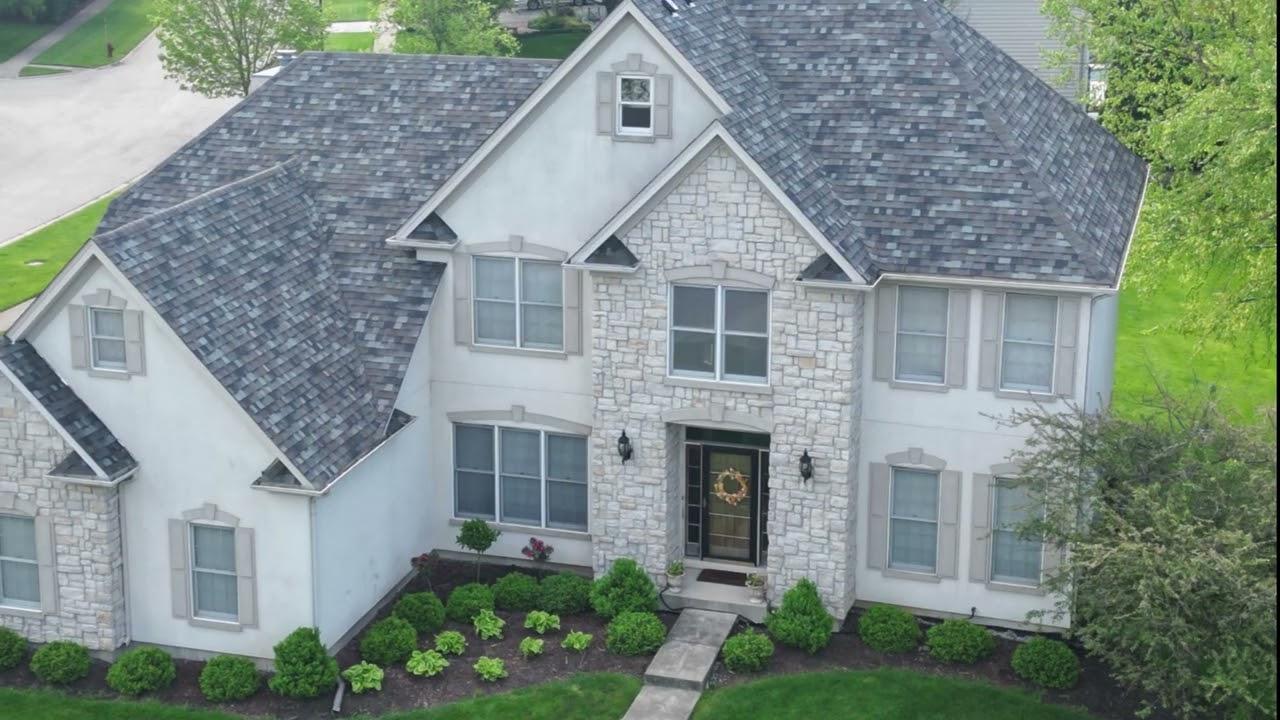
The outside of a building does two jobs at once. It protects everything inside from rain, wind, sun, and temperature swings, and it creates the first impression anyone has of the property. When the exterior ages or gets damaged, both jobs suffer. Water finds its way in, energy bills creep up, and the building starts to look tired.
A well-planned exterior update can fix all of that at once. But the project involves many moving parts, and the order in which you tackle them matters. This guide explains what's typically involved, how to prioritize, what drives cost, and what to look for in a contractor.
What Exterior Remodeling Can Include
An exterior remodeling project can be as focused as a single repair or as broad as a full makeover. Common components include:
- Roofing, including repair, replacement, or new installation
- Siding in materials such as vinyl, fiber cement, wood, or engineered products
- Gutters and downspouts
- Fascia, soffit, and trim
- Windows and exterior doors
- Porches, decks, and entryways
- Exterior paint or surface finishes
- Drywall and interior repairs where water has caused damage
Not every property needs all of these. The goal is to look at the building as one system, because each component affects the others. A failing gutter damages fascia. A leaking window soaks the wall beneath it. A worn roof edge lets water behind the siding.
Why Property Owners Take It On
People start exterior projects for different reasons, and most fall into a few categories.
Protection is the most important. Damaged roofing, siding, and flashing let moisture reach framing and insulation, where it can cause rot, mold, and costly repairs. Fixing the envelope early stops small problems from becoming structural ones.
Energy performance is another driver. Upgraded windows, doors, insulation, and a well-sealed building envelope can help keep indoor temperatures steadier, which may reduce strain on heating and cooling systems.
Appearance and value also matter. Fresh siding, a clean roofline, and updated trim can change the whole character of a property. For owners planning to sell, or for businesses that want to present a polished face to customers, curb appeal is a practical consideration, not just a cosmetic one.
Finally, there's storm damage. Heavy rain, wind, and hail can leave a trail of repairs across the roof, siding, and gutters, and addressing them together is often more efficient than tackling them one at a time.
Start With a Thorough Assessment
Before choosing colors or materials, get a professional assessment of the building's current condition. A good inspector or contractor will look at the roof surface and edges, siding and trim, gutters, windows and doors, flashing, the foundation line, and signs of moisture intrusion.
The assessment should separate problems into three groups: urgent issues that threaten the structure or interior, important items that should be handled soon, and cosmetic upgrades that can wait. That list becomes the backbone of your plan and budget. It also keeps you from spending on appearance while a hidden leak quietly does damage.
Get the Order of Operations Right
Sequencing can save you money and prevent do-overs. A sensible order for many projects looks like this:
- Structural and moisture repairs come first. Fix rotted sheathing, damaged framing, and any active leaks before covering anything up.
- Roofing comes next, since it protects everything below. Doing the roof before siding avoids damage to new siding from falling debris and ensures proper flashing integration.
- Windows and doors follow, so they can be properly flashed and integrated with the wall system.
- Siding and trim go on after that, working with the roof and window details already in place.
- Gutters and downspouts are installed once the roof edge and fascia are finished.
- Painting, decks, and finishing touches come last.
Reversing this order can mean damaged materials, gaps in waterproofing, and extra labor. A contractor who coordinates the whole sequence is a major advantage.
Choosing Materials Wisely
Material choices affect cost, durability, maintenance, and appearance. A few questions help narrow the field:
- How much maintenance are you willing to do? Wood siding needs regular painting or staining, while vinyl and fiber cement typically need less.
- How does the material handle local weather? In a humid region with heavy rain and hot summers, moisture resistance and ventilation matter.
- What do local codes or neighborhood rules require? Homeowners associations and local ordinances may limit materials, colors, or styles.
- How long do you plan to own the property? A longer time horizon justifies investing in more durable products.
- What is the total cost over time, not just the upfront price? Cheaper materials that need frequent upkeep or early replacement can cost more in the long run.
Ask contractors to explain why they recommend a given product, and request samples so you can see colors and textures in natural light.
What Affects the Cost of an Exterior Project
Prices vary widely, and any contractor who quotes a firm figure without seeing the property should raise a flag. The main cost drivers are:
- The size and number of stories of the building
- The scope of work and how many components are included
- Material grade and brand
- Hidden damage discovered once old materials are removed
- Complexity, such as multiple rooflines, steep pitches, or custom trim
- Permit and code requirements
- Access and site conditions
When comparing estimates, look at what each one covers rather than only the total. Check that the proposals list specific materials, flashing and waterproofing details, removal and disposal, cleanup, and warranty terms. A low bid that leaves out essentials usually just shifts the cost to later. It also helps to ask how unexpected findings, like rotted sheathing, will be priced before work begins.
Phasing a Larger Project
Not everyone can fund an entire exterior at once, and that's fine. A phased approach lets you protect the building first and refine it over time. For example, you might replace the roof and gutters this year, then handle siding and windows next year. Phasing works best when you have a written overall plan, so each phase fits the final vision and no work needs to be undone later. Tell your contractor up front if you plan to phase the work, because it affects material ordering, warranties, and scheduling.
Weather, Scheduling, and Permits
Exterior work is at the mercy of the weather. Rain delays, extreme temperatures, and high winds can all slow progress, and some materials have installation temperature guidelines. Ask your contractor how they protect open areas during the job and how they communicate about delays.
Permit requirements depend on the type and scope of work and on your location. A reputable contractor will explain what is required and either handle the permitting or tell you clearly what you need to do. Skipping permits can create problems with insurance, resale, and inspections, so don't treat them as optional.
Choosing the Right Contractor
For a project this size, the contractor matters as much as the materials. Look for:
- Proof of licensing where required, plus liability and workers' compensation insurance
- A detailed, itemized written estimate and contract
- Manufacturer certifications and a workmanship warranty
- Recent local projects you can visit or photograph, and references you can call
- A clear point of contact and a communication plan
- A willingness to explain decisions in plain language
Working with a company that handles several trades can simplify the project dramatically. When roofing, siding, gutters, and drywall are all coordinated by one team, there's less finger-pointing, fewer scheduling gaps, and a more consistent result. That is a big reason many owners search for exterior services in Greensboro from a contractor who can see the building as a whole instead of hiring separate vendors for every piece.
Questions to Ask Before You Sign
- What work do you recommend first, and why?
- What exactly is included in the estimate, and what is excluded?
- How do you handle hidden damage that turns up during the work?
- Who will be on site, and who is my day-to-day contact?
- What warranties apply to the materials and the workmanship?
- How will you protect my landscaping and keep the site clean?
Protecting Your Investment After the Project
An exterior remodel is not a one-time fix. Plan to inspect the roof, gutters, siding, and caulking at least once or twice a year and after major storms. Keep gutters clear, trim branches away from the building, and touch up paint or sealant at the first sign of wear. Save your warranty documents, product information, and photos of the completed work.
If you want a single team to handle roofing, siding, gutters, drywall, and remodeling work across residential and commercial properties in North Carolina and Alabama, AGS Diversified Group is one example of a company built around that model. Whoever you choose, ask for the same standard of clear communication and documented workmanship.
The Bottom Line
Exterior remodeling is about more than looks. Done well, it protects the structure, improves comfort and efficiency, and gives the property a fresh, cohesive appearance. Start with a thorough assessment, fix moisture and structural problems first, follow a sensible order of operations, and compare detailed estimates from contractors who communicate clearly. With the right plan and the right team, your exterior can be both better protected and better looking for years to come.

 English
 Arabic
 French
 Spanish
 Portuguese
 Deutsch
 Turkish
 Dutch
Dutch
 Italiano
 Russian
 Romaian
 Greek
Greek
 Bengali