


How to Keep Teeth White After Whitening: Foods, Habits, and Oral Care Tips That Matter
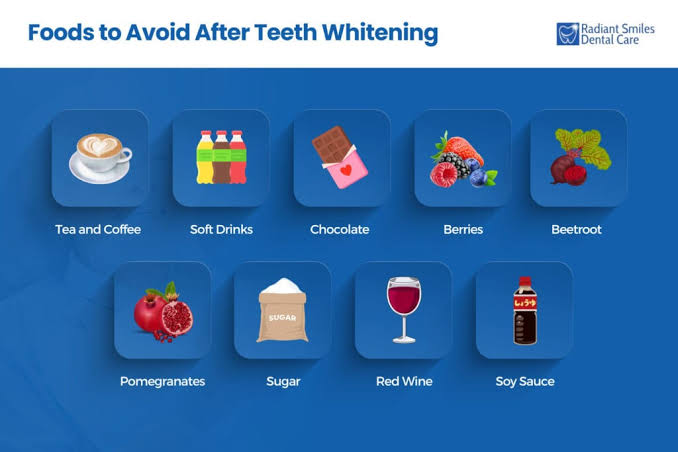
You have finished your whitening treatment, and your smile looks brighter than it has in years. Now comes the part that decides how long that brightness lasts: what you do next. Knowing how to keep teeth white after whitening is just as important as the treatment itself.
The good news is that you do not need a complicated routine. A few smart food choices, steady daily habits, and regular dental care can protect your results for months, often longer. This guide covers what to eat and drink, which habits help or hurt, and the oral care steps that matter most.
Why Whitened Teeth Need Special Care
Whitening lightens your teeth, but it does not make them stain-proof. Understanding why helps you make better choices.
What Whitening Actually Does
Professional and over-the-counter whitening products use peroxide-based gels, either hydrogen peroxide or carbamide peroxide. These release oxygen molecules that move into the enamel and break up the pigmented molecules causing discoloration. Once those pigments are broken apart, your teeth reflect more light and look brighter.
Why Stains Return
Your enamel has microscopic pores and ridges. Every time you drink coffee, eat a dark sauce, or use tobacco, pigment molecules can settle into those tiny surface features. Age adds to the effect, since enamel gradually thins and the naturally yellowish dentin beneath shows through more.
Right after whitening, teeth can be a little more receptive to stains for a short time. That is why the first day or two deserve extra attention, and why long-term habits matter after that.
The First 48 Hours: Your Most Important Window
Many dentists recommend following a "white diet" for roughly the first 24 to 48 hours after whitening. The idea is simple: eat and drink light-colored, low-stain items while your teeth settle.
Foods and Drinks to Favor
-
Water, which is always the best choice
-
Milk and plain yogurt
-
White rice, pasta, bread, and potatoes
-
Chicken, turkey, and white fish
-
Eggs (whites especially)
-
Cauliflower, bananas, and peeled apples
-
Light-colored cheeses
Foods and Drinks to Avoid
-
Coffee, black tea, and cola
-
Red wine and dark juices
-
Tomato sauce, soy sauce, curry, and balsamic vinegar
-
Berries, beets, and dark chocolate
-
Brightly dyed candy, popsicles, and sports drinks
-
Tobacco in any form
If you cannot skip a stain-prone drink, use a straw and rinse your mouth with water afterward. Always follow the specific instructions your dentist gives you, since some protocols vary.
Foods and Drinks That Matter Long Term
After the first couple of days, you do not need to eat bland food forever. You just need to be smart about the biggest offenders.
The Biggest Staining Culprits
Foods and drinks with strong pigments, called chromogens, are the usual suspects. These include:
-
Coffee and tea: Both contain tannins that help pigments cling to enamel.
-
Red and dark wines: Color and acidity combine to make stains more likely.
-
Cola and dark sodas: Dyes and acids both play a role.
-
Dark sauces: Soy, tomato, curry, and barbecue sauces can all leave marks.
-
Berries: Blueberries, blackberries, and pomegranate are healthy but highly pigmented.
You do not have to give these up. Just limit how often they sit on your teeth, and pair them with the habits below.
Acidic Foods Deserve Attention
Acid softens enamel slightly, which makes stains easier to settle and can also contribute to erosion over time. Citrus fruits, sodas, sports drinks, vinegar-based dressings, and sour candies are common acidic items. Enjoy them with meals rather than sipping or snacking on them throughout the day, and rinse with water afterward.
Foods That Help Your Smile
Some foods support a cleaner, brighter-looking smile:
-
Crunchy fruits and vegetables: Apples, carrots, and celery stimulate saliva and help gently scrub surfaces.
-
Dairy products: Cheese, milk, and plain yogurt provide calcium and may help buffer acids.
-
Leafy greens: These are rich in nutrients that support overall oral health.
-
Water: Drinking plenty throughout the day washes away food particles and pigments.
Remember that these foods help, but they do not replace brushing and flossing.
Daily Habits That Protect Your Whitening Results
Small, consistent habits make a bigger difference than occasional big efforts.
Use a Straw for Stain-Prone Drinks
A straw helps beverages bypass the front surfaces of your teeth. It works well for iced coffee, iced tea, soda, and smoothies. It is not perfect, but it reduces contact time noticeably.
Rinse With Water After Staining Foods and Drinks
You do not always need to brush right away. Swishing water around your mouth after coffee, tea, wine, or a dark sauce helps wash away pigment before it sets. If you have had something acidic, wait around thirty minutes before brushing so you are not scrubbing softened enamel.
Avoid Tobacco
Smoking and chewing tobacco are among the fastest ways to undo whitening. Tar and nicotine stain teeth quickly, and tobacco also harms gum health. If you use tobacco, consider asking your healthcare provider about resources to help you quit. Your smile and overall health will benefit.
Limit Constant Sipping and Snacking
Sipping coffee or soda for hours exposes teeth to stain and acid again and again. It is better to enjoy your drink in a shorter window than to nurse it all day.
Chew Sugar-Free Gum
Chewing sugar-free gum after meals boosts saliva, which helps neutralize acids and rinse away particles. Look for options with a recognized dental association seal when possible.
Oral Care Routines That Keep Teeth Bright
Whitening results depend heavily on the quality of your everyday oral hygiene.
Brush Twice a Day the Right Way
Brush for two minutes, twice daily, with fluoride toothpaste. Use a soft-bristled brush and gentle, circular motions, since hard scrubbing can wear down enamel and gums. An electric toothbrush can help some people remove surface stain more evenly, especially if they tend to rush.
Do Not Skip Flossing
Plaque between teeth can look yellowish and contribute to staining and gum inflammation. Flossing once daily, or using interdental brushes or water flossers if recommended by your dentist, keeps those areas clean.
Choose Toothpaste Carefully
Whitening toothpastes can help lift surface stains and maintain your shade, but they mostly work on the outer layer and do not change deeper color. Treat them as maintenance, not a replacement for professional whitening. Avoid heavily abrasive formulas, and look for products with a recognized dental association seal. If you feel sensitivity, a toothpaste made for sensitive teeth can help.
Consider a Mouthwash Wisely
Some rinses support fresh breath and gum health, but certain mouthwashes contain ingredients that can stain teeth with long-term use. If you are unsure, ask your dentist which type suits you.
Keep Your Tongue and Gums Healthy
Healthy gums frame your smile and make teeth look brighter. Brushing your tongue also reduces bacteria that can affect breath and overall hygiene.
Professional Care: The Secret Weapon for Lasting Results
Home care is essential, but it cannot do everything.
Regular Cleanings Matter
Professional cleanings remove tartar and surface stains that brushing and flossing cannot fully reach. Most people benefit from a checkup and cleaning about every six months, although your dentist may suggest a different schedule based on your needs. Regular visits also catch cavities and gum problems early, before they affect comfort or appearance.
Touch-Up Treatments
Even with excellent habits, most people eventually want a refresh. A touch-up every so often is usually quicker and easier than starting from scratch. Some patients use custom-fitted trays and professional gel for short refresh sessions, while others schedule an in-office visit.
Essentials Dental offers whitening within its cosmetic dentistry services, where treatment can be personalized to your enamel, your goals, and your comfort.
How Often Is Too Often?
More is not always better. Overusing whitening products can cause sensitivity, gum irritation, and enamel wear. Your dentist can recommend a safe frequency, which varies from person to person.
Common Mistakes That Undo Whitening Results
A few habits quietly work against you.
Trying DIY Whitening Hacks
Baking soda scrubs, lemon juice, activated charcoal, and similar remedies are popular online, but abrasive or acidic ingredients can wear down enamel. Enamel does not grow back, and thinner enamel can make teeth look darker and feel more sensitive over time.
Brushing Too Hard
Many people believe harder brushing means whiter teeth. In reality, aggressive brushing can damage enamel and irritate gums. Gentle, thorough brushing works better.
Skipping the Dentist
Missing regular cleanings allows tartar to build up, which dulls your smile and can irritate your gums. Prevention is almost always easier than correction.
Ignoring Dental Problems
Untreated cavities, cracked teeth, and gum disease can cause discoloration and discomfort. Whitening does not fix these issues, and a dental exam helps keep your whole mouth healthy.
Special Situations to Keep in Mind
Crowns, Veneers, and Fillings
Whitening gels only lighten natural tooth structure. Crowns, veneers, bridges, and tooth-colored fillings do not change shade. If you have visible dental work, your natural teeth may end up lighter than the restorations. Talk with your dentist about planning treatment so everything matches.
Sensitivity After Whitening
Mild, short-lived sensitivity is common and usually fades within a few days. Lukewarm foods and drinks, sensitivity toothpaste, and giving your teeth a rest from additional whitening can help. If pain is severe, lasting, or accompanied by swelling, do not wait it out. Contact a dentist promptly. A chipped or knocked-out tooth also needs fast attention, and knowing how emergency dental services work helps you act quickly when something urgent happens.
Medications and Health Conditions
Certain medications, dry mouth, and some health conditions can affect tooth color and stain risk. If you notice changes, mention them to your dentist so they can suggest suitable care.
A Simple Weekly Routine to Keep Your Smile Bright
If you want an easy plan, try this:
-
First 48 hours: Follow the white diet and avoid tobacco.
-
Every day: Brush twice, floss once, and rinse with water after coffee, tea, wine, or dark sauces.
-
Every meal: Include crunchy produce or dairy when you can, and keep acidic foods to mealtimes.
-
Every week: Check in with yourself. Does your smile look duller than before? Adjust habits if needed.
-
Every six months: Book a professional cleaning and exam.
-
As needed: Do a dentist-approved touch-up when your shade begins to fade.
When Whitening Alone Is Not Enough
Sometimes teeth need more than whitening to look their best. Deep internal stains, uneven color, chips, or gaps may call for bonding or veneers, which can offer more control over color and shape. A good dentist will explain your options honestly, never push treatment you do not need, and help you choose a natural-looking result that fits your budget and lifestyle.
Final Thoughts
Keeping your teeth white after whitening comes down to a handful of reliable habits. Protect your teeth during the first 48 hours, limit stain-prone foods and drinks, avoid tobacco, brush and floss consistently, and see your dentist regularly. None of these steps is difficult, but together they make your results last.
If you would like personalized advice on whitening, aftercare, or any other cosmetic goal, the team at Essentials Dental serves patients in Glendale Heights and Lombard, Illinois, with family, cosmetic, and emergency dental care. Schedule a consultation to talk through your options, get a professional exam, and build a maintenance plan that keeps your smile bright for the long run.

 English
 Arabic
 French
 Spanish
 Portuguese
 Deutsch
 Turkish
 Italiano
 Russian
 Romaian
 Portuguese (Brazil)
 Greek
Greek
 Bengali