


Scissor Lift Manufacturers: Complete Guide to Industrial Lifting Solutions
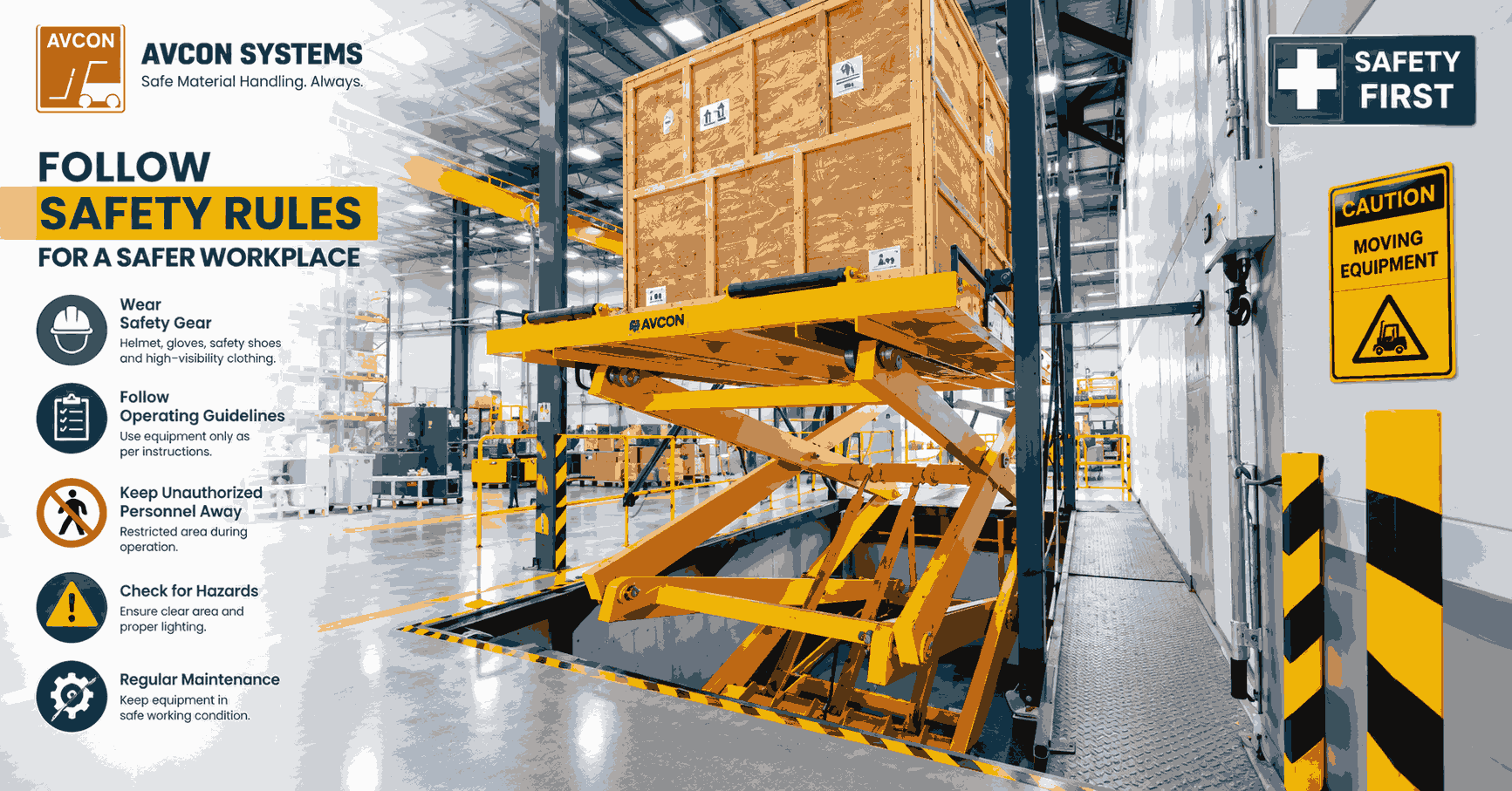
Scissor lifts are widely used in industries where workers, materials, equipment, and components need to be raised safely to different working heights. These lifting machines use a linked mechanical structure that expands and contracts in a scissor-like movement, providing stable vertical lifting for a wide range of applications.
Choosing the right scissor lift manufacturers is important for businesses looking for dependable equipment, appropriate load capacity, safe operation, and long-term performance. From manufacturing plants and warehouses to construction sites and maintenance facilities, scissor lifts can support various material handling and access requirements.
What Is a Scissor Lift?
A scissor lift is a vertical lifting platform designed to raise people, equipment, or materials to an elevated position. The lifting platform is supported by crossed arms that expand when the lifting mechanism is activated.
Depending on the design, scissor lifts may use hydraulic, electric, or other lifting systems. Different models are developed for different environments, load requirements, platform dimensions, and lifting heights.
Industrial scissor lifts can be used for applications such as machine maintenance, loading and unloading, assembly work, warehouse operations, production activities, and elevated access.
How Does a Scissor Lift Work?
The operating principle of a scissor lift is based on the movement of interconnected support arms. When the lifting mechanism applies force, the arms move outward and upward, causing the platform to rise.
Hydraulic systems are commonly used in many industrial scissor lifts. Hydraulic pressure moves a cylinder, which changes the position of the scissor arms and raises the platform.
When the lifting mechanism is lowered, the arms move back toward their original position, bringing the platform down.
The exact operating mechanism depends on the type and configuration of the equipment. Operators should always follow the manufacturer's operating instructions and applicable safety procedures.
Types of Scissor Lifts
Different industries require different types of lifting equipment. Scissor lift manufacturers may offer several configurations based on application requirements.
Hydraulic Scissor Lift
Hydraulic scissor lifts use hydraulic pressure to raise and lower the platform. They can be suitable for industrial applications involving regular lifting of materials or equipment.
Electric Scissor Lift
Electric models use electric power for lifting and operation. They can be useful in warehouses, production facilities, and other environments where clean and relatively quiet operation is preferred.
Mobile Scissor Lift
Mobile scissor lifts are designed for movement between work areas. Depending on the design, they can provide flexibility when lifting requirements change across a facility.
Stationary Scissor Lift
Stationary models are installed at a specific location and can be used for repetitive lifting operations, production lines, loading areas, and material transfer applications.
Heavy-Duty Scissor Lift
Heavy-duty models are designed for applications involving larger loads and demanding industrial conditions. Their construction and specifications should be selected according to the required load and working environment.
Applications of Scissor Lifts
Scissor lifts are used in many industries because they provide controlled vertical lifting and platform access.
Manufacturing
Manufacturing facilities use scissor lifts for assembly, maintenance, production-line operations, and positioning of components at different heights.
Warehousing
In warehouses, lifting platforms can assist with material handling, inventory operations, loading activities, and access to elevated work areas.
Automobile Industry
Automotive facilities may use scissor lifts for vehicle servicing, component handling, maintenance, and assembly operations.
Construction
Construction and infrastructure projects may require lifting platforms for elevated access and material handling. The equipment must be selected specifically for the site conditions and intended use.
Engineering Workshops
Engineering workshops often handle heavy machinery and components. A suitable scissor lift can assist workers in raising materials to convenient working heights.
Maintenance Operations
Industrial maintenance teams can use lifting platforms to access machinery and equipment that requires inspection, repair, servicing, or component replacement.
Benefits of Choosing Quality Scissor Lift Manufacturers
Selecting experienced scissor lift manufacturers can provide several benefits for businesses.
Better Equipment Selection
A reliable manufacturer can understand the intended application and recommend an appropriate configuration based on load capacity, platform size, lifting height, and operating conditions.
Improved Safety
Properly designed lifting equipment can support safer workplace operations when used according to the manufacturer's instructions and applicable safety requirements.
Durable Construction
Industrial lifting equipment needs to withstand repeated operation. Quality manufacturing and suitable components can contribute to long-term equipment reliability.
Customized Solutions
Different facilities have different lifting requirements. Some manufacturers can provide customized dimensions, platform configurations, lifting capacities, and operating systems.
Technical Support
Professional manufacturers may provide technical guidance, installation assistance, maintenance support, spare parts, and other services throughout the equipment's working life.
How to Choose Scissor Lift Manufacturers
Businesses should consider several factors before selecting a manufacturer or supplier.
Manufacturing Experience
Look for manufacturers with relevant experience in designing and producing industrial lifting equipment. Experience can be useful when evaluating complex or customized applications.
Product Range
A manufacturer offering different scissor lift configurations may be better positioned to provide equipment suited to specific operational requirements.
Load Capacity
The manufacturer should clearly specify the safe working load and operating limitations of each model. Choose equipment based on the actual application rather than simply selecting the largest available capacity.
Lifting Height
Determine the required working height before selecting equipment. The lift should provide sufficient vertical movement for the intended task.
Platform Size
Platform dimensions should be appropriate for the materials, tools, equipment, or personnel involved in the application.
Working Environment
Consider whether the lift will operate indoors or outdoors, on smooth or uneven surfaces, and in environments with specific space or operational restrictions.
After-Sales Service
Availability of spare parts, maintenance assistance, technical support, and service response can be important for minimizing equipment downtime.
Safety Considerations for Scissor Lifts
Safety should always be a priority when using lifting equipment. Operators should be trained and should understand the manufacturer's operating instructions.
Some important safety practices include:
- Never exceed the rated load capacity.
- Inspect the equipment before operation.
- Ensure the lifting area is clear.
- Keep unauthorized personnel away from the operating zone.
- Do not use damaged or malfunctioning equipment.
- Follow recommended maintenance schedules.
- Use the lift only for its intended application.
- Keep the platform and surrounding area free from unnecessary obstacles.
- Follow applicable workplace safety requirements.
Regular inspection and preventive maintenance can also help identify potential problems before they affect operations.
Maintenance of Scissor Lifts
Routine maintenance helps maintain equipment performance and reliability. Maintenance requirements vary according to the model, but inspections may include the hydraulic system, electrical components, lifting arms, platform, wheels, structural frame, safety mechanisms, and other critical components.
Hydraulic models should be checked for leaks and abnormal hydraulic behavior. Electrical models may require inspection of batteries, charging systems, wiring, motors, and controls.
Any damaged component should be repaired or replaced according to the manufacturer's recommendations before the equipment is returned to service.
Why Scissor Lifts Are Important for Material Handling
Efficient material handling can have a direct effect on workplace productivity. Manually lifting heavy materials can consume time and create unnecessary physical strain. A suitable scissor lift can provide mechanical assistance and allow materials to be raised to convenient working levels.
For example, production workers may need to position components at a specific height during assembly. A lifting platform can help bring those components into the required working position.
Similarly, maintenance teams can use appropriate lifting equipment to improve access to machinery and reduce unnecessary manual handling.
Choosing the Right Scissor Lift Solution
There is no single scissor lift configuration that is suitable for every business. The correct choice depends on several factors, including:
- Required lifting capacity
- Maximum lifting height
- Platform dimensions
- Frequency of operation
- Indoor or outdoor use
- Available floor space
- Mobility requirements
- Power source
- Application type
- Maintenance requirements
Businesses should discuss these factors with experienced scissor lift manufacturers before finalizing their equipment.
Conclusion
Choosing reliable scissor lift manufacturers is an important step for businesses that need safe, efficient, and dependable vertical lifting solutions. Scissor lifts can support a wide range of applications in manufacturing, warehousing, automotive, construction, engineering, maintenance, and material handling.
The right equipment can help reduce manual effort, improve workflow efficiency, and provide controlled access to elevated working areas. However, selecting the correct model requires careful consideration of load capacity, lifting height, platform size, operating environment, mobility, and safety requirements.
By working with an experienced manufacturer and following proper operating and maintenance procedures, businesses can make effective use of scissor lift technology while supporting productive and organized industrial operations.

 English
 Arabic
 French
 Spanish
 Portuguese
 Deutsch
 Turkish
 Italiano
 Russian
 Romaian
 Portuguese (Brazil)
 Greek
Greek
 Bengali