


How Denture Clinics Help Restore Missing Teeth
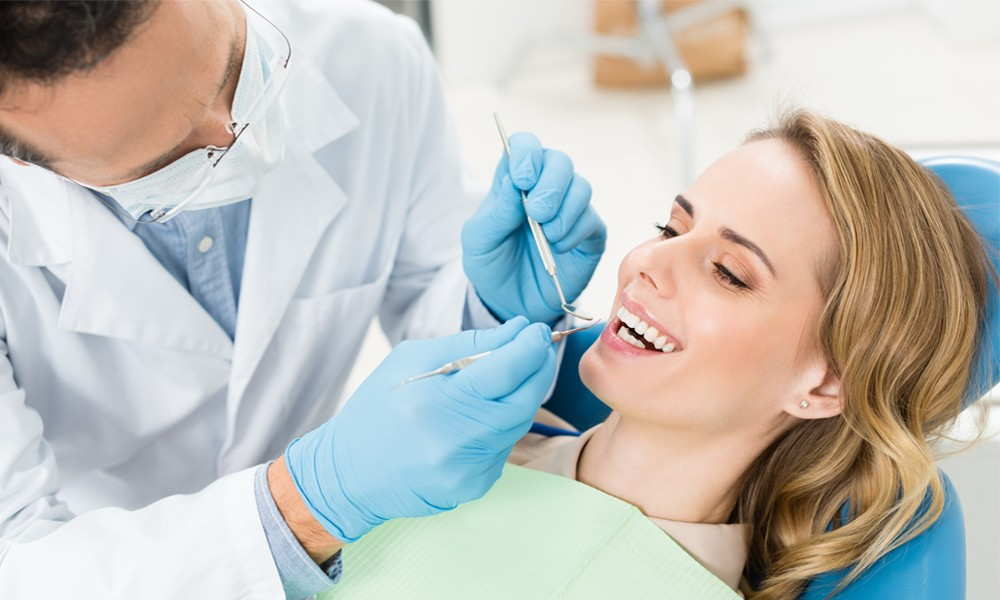
Missing teeth can affect much more than the appearance of your smile. They can make chewing more difficult, change the way you speak and sometimes make you feel less confident in social situations. Dentures offer one way of replacing missing teeth and restoring some of the everyday functions that may have become difficult.
Denture clinics can help patients understand their options, assess their individual needs and provide dentures designed around the shape of their mouth. From the first assessment to fitting and follow-up adjustments, the process is focused on creating a replacement that is comfortable, practical and suitable for everyday use.
What Are Dentures?
Dentures are removable dental appliances designed to replace missing teeth. Depending on how many teeth are missing, a person may need a full denture or a partial denture. Full dentures can replace a complete set of teeth in an upper or lower arch, while partial dentures are designed to replace several missing teeth when some natural teeth remain.
Modern dentures are designed to look more natural than older styles and can be made to suit the shape of the mouth and facial features. The aim is not simply to fill gaps but to provide a functional replacement that can support everyday activities such as eating and speaking.
How Denture Clinics Assess Your Needs
The process normally begins with an assessment of your mouth, gums and remaining natural teeth. A professional can discuss how many teeth are missing, any problems you have with chewing or speaking and whether you have worn dentures before. This information helps determine which type of denture may be appropriate.
An assessment is also important because every mouth is different. Factors such as gum condition, the position of remaining teeth, previous dental work and the shape of the jaw can affect denture design. Taking these details into account can help create a more suitable and comfortable result.
Full Dentures for Extensive Tooth Loss
Full dentures may be considered when most or all of the natural teeth in an upper or lower arch are missing. They replace the visible teeth while also providing support for everyday functions. A properly designed full denture can help patients regain some ability to chew and speak more comfortably.
The fitting process needs to be carefully considered because full dentures rely on the shape of the mouth and surrounding tissues for support. Patients may need an adjustment period after receiving new dentures. During this time, the tongue, cheeks and jaw gradually become accustomed to the new appliance.
Partial Dentures for Several Missing Teeth
Partial dentures can be useful when some natural teeth remain. They replace selected missing teeth while working alongside the remaining teeth. Depending on the design, partial dentures can be supported by natural teeth and the surrounding oral structures.
Replacing several missing teeth can make everyday eating easier and may also help restore a more complete appearance. The design needs to take the position of the remaining teeth into account, which is why an individual assessment is important before deciding on a particular type of partial denture.
Creating a Comfortable Denture Fit
One of the most important parts of denture treatment is achieving a suitable fit. Dentures that move excessively can make eating and speaking difficult, while an uncomfortable fit may cause rubbing or sore areas on the gums.
Accurate impressions and careful fitting help create a denture that follows the shape of the mouth. Even after the initial fitting, minor adjustments may sometimes be needed. Your mouth can also change over time, so a denture that fitted well several years ago may eventually require attention.
How Dentures Help with Eating
Missing teeth can make it harder to break down certain foods. Dentures provide artificial teeth that can help restore some chewing function. This can make it easier to manage a wider range of foods as you become accustomed to wearing them.
New denture wearers often need to start slowly. Softer foods and smaller pieces can make the early adjustment easier. As confidence improves, different textures can gradually be introduced. If dentures repeatedly move or cause discomfort while eating, their fit should be professionally assessed.
How Dentures Can Support Speech
Teeth and the surrounding structures of the mouth play an important role in speech. When several teeth are missing, some sounds may become more difficult to pronounce. Dentures can replace missing teeth and provide a new surface for the tongue to work against.
It is normal for speech to feel slightly different when you first receive dentures. Reading aloud and having regular conversations can help your mouth adapt. With practice, many people become more comfortable speaking while wearing their dentures.
Repairs, Relines and Adjustments
Denture care does not necessarily end when the new appliance is fitted. Dentures can become damaged through everyday use, and changes in the gums or jaw can affect how they fit. A denture that has become loose may require an adjustment or reline rather than immediate replacement.
Repairs can also address problems such as cracks, broken sections or damaged denture teeth. Professional assessment is important because attempting to repair a denture at home can affect its shape and fit. Regular attention can help maintain comfort and function for longer.
Caring for Dentures at Home
Good daily care can help keep dentures clean and comfortable. Dentures should be cleaned regularly to remove food particles and build-up. Patients should also continue looking after their gums, tongue and any remaining natural teeth as part of their normal oral hygiene routine.
Dentures should be handled carefully when they are removed or inserted. Keeping them stored appropriately when they are not being worn can also help protect them from damage. Following professional care instructions can support the condition and comfort of the denture.
Choosing a Denture Clinic in Peterborough
When looking for a denture clinic peterborough, consider the complete service rather than focusing only on the finished appearance. Ask about the assessment, fitting process, adjustments, repairs and aftercare. These services can become important if your mouth changes or your dentures become uncomfortable later.
It can also help to explain your everyday concerns clearly during your appointment. Whether you have difficulty chewing, problems with speech, loose dentures or concerns about appearance, sharing these details allows your needs to be considered when planning your denture treatment.
Conclusion
Denture clinics play an important role in helping people replace missing teeth and regain everyday function. Full and partial dentures can provide a practical way to restore missing teeth, while professional fitting and adjustments can improve comfort and stability.
Getting used to new dentures takes time, and ongoing care is important. With appropriate assessment, a suitable design, good hygiene and professional support when adjustments are needed, dentures can become a useful part of everyday life and help patients feel more comfortable when eating, speaking and smiling.

 English
 Arabic
 French
 Spanish
 Portuguese
 Deutsch
 Turkish
 Dutch
Dutch
 Italiano
 Russian
 Portuguese (Brazil)
 Greek
Greek
 Bengali