


Weak Acid Cation Resin: How It Works, Uses and Benefits
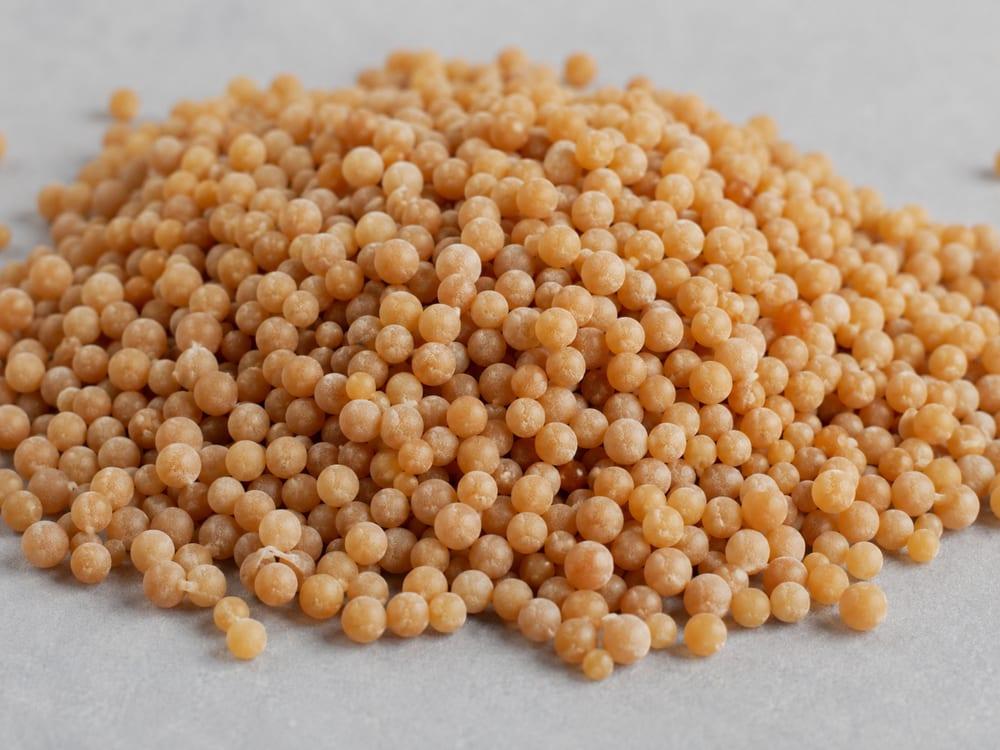
Weak acid cation resin is an ion exchange resin mainly used to remove hardness associated with alkalinity from water. It is commonly used for dealkalization, partial demineralization, and industrial water treatment where efficient acid regeneration is important.
Compared with strong acid cation resin, WAC resin works best under more specific water conditions. When the feedwater contains significant alkalinity and hardness, it can provide high working capacity while reducing regenerant demand.
What Is Weak Acid Cation Resin?
Weak acid cation resin, also called WAC resin, is a type of cation exchange resin.
It typically uses carboxylic acid (-COOH) functional groups. These active groups exchange hydrogen ions for positively charged ions in water, particularly calcium and magnesium associated with alkalinity.
WAC resin is often supplied in hydrogen form and may use a gel or macroporous structure depending on the grade and application.
Unlike strong acid cation resin, WAC resin does not efficiently remove every cation under all water conditions. Its performance depends strongly on the chemistry and alkalinity of the feedwater.
How Does Weak Acid Cation Resin Work?
Weak acid cation resin works through ion exchange.
When alkaline hard water passes through the resin bed, calcium and magnesium associated with bicarbonate alkalinity can be captured by the resin. Hydrogen ions are released during the exchange process.
This reaction produces carbonic acid, which can break down into water and carbon dioxide. For this reason, a degasification stage may be used after WAC treatment when carbon dioxide removal is required.
The process makes WAC resin particularly useful when hardness and alkalinity need to be reduced together.
What Is Weak Acid Cation Resin Used For?
Dealkalization
Dealkalization is one of the main applications for WAC resin.
High alkalinity can cause problems in some industrial water systems. Weak acid cation resin can remove cations associated with bicarbonate alkalinity and reduce the alkalinity load of the treated water.
This makes it useful as part of a larger industrial water treatment process.
Hardness Reduction
WAC resin can remove calcium and magnesium when these hardness ions are associated with alkalinity.
This is an important distinction because WAC resin is not simply a replacement for every conventional water softener.
A feedwater analysis should be checked before deciding whether WAC resin is appropriate.
Partial Demineralization
Weak acid cation resin can also be used for partial demineralization.
When complete demineralization is required, WAC resin may be combined with other ion exchange resins. Using different resin types in stages allows each resin to handle the ions it removes most efficiently.
Industrial Water Treatment
Industrial facilities may use WAC resin when reducing hardness and alkalinity can improve downstream treatment.
Applications depend on the actual water chemistry, required outlet quality, and overall treatment design.
What Is the Difference Between WAC and SAC Resin?
Weak acid cation and strong acid cation resins both exchange positively charged ions, but they behave differently.
Strong acid cation resin works across a much wider range of conditions and is commonly used for conventional sodium-cycle water softening and complete cation removal in demineralization.
Weak acid cation resin has a more limited operating range. However, it can provide high capacity and efficient regeneration when treating suitable alkaline water.
This means neither resin is automatically better.
The better choice depends on feedwater chemistry and the treatment goal.
Why Use Weak Acid Cation Resin?
One important advantage of WAC resin is regeneration efficiency.
Because of its weakly acidic functional groups, it can often be regenerated efficiently with acid. This can reduce chemical consumption compared with using a strong acid cation resin for the same suitable duty.
Other potential advantages include:
-
High working capacity under suitable conditions
-
Effective dealkalization
-
Removal of alkalinity-related hardness
-
Efficient acid regeneration
-
Reduced load on downstream treatment stages
These benefits depend on proper resin selection and system design.
How Is Weak Acid Cation Resin Regenerated?
Once the resin reaches its useful operating capacity, it needs to be regenerated.
Hydrogen-form WAC resin is normally regenerated using an appropriate mineral acid. During regeneration, accumulated cations such as calcium and magnesium are displaced, returning the resin toward its hydrogen form.
The type of acid, concentration, flow rate, contact time, and rinse conditions should follow the resin specification and system design.
Correct regeneration is important for maintaining capacity and consistent treated-water quality.
When Should You Choose WAC Resin?
Start with a feedwater analysis.
Important factors include:
-
Total hardness
-
Total alkalinity
-
Calcium and magnesium levels
-
Sodium concentration
-
Feedwater pH
-
Flow rate
-
Required outlet quality
-
Operating temperature
-
Available regenerant
WAC resin is especially worth considering when a significant part of the water hardness is associated with alkalinity.
For low-alkalinity water or applications requiring complete cation removal, another resin type or a combination of resins may be more suitable.
How Long Does Weak Acid Cation Resin Last?
There is no fixed service life for every WAC resin.
Its useful life depends on feedwater quality, operating conditions, regeneration practices, fouling, chemical exposure, and physical stress on the resin beads.
Poor performance does not always mean the resin needs replacement. Incorrect regeneration, fouling, channeling, or changes in feedwater chemistry should also be investigated.
Where Can You Find Weak Acid Cation Resin?
Haitron supplies weak acid cation resin for dealkalization, hardness reduction, and other industrial water treatment requirements.
The right grade should be selected according to the feedwater rather than by resin type alone. Providing water composition, flow rate, target outlet quality, temperature, and regeneration conditions can help identify the appropriate resin for the application.
FAQs
What does weak acid cation resin remove?
It mainly removes cations such as calcium and magnesium when they are associated with alkalinity.
What is the functional group of WAC resin?
Weak acid cation resins commonly use carboxylic acid (-COOH) functional groups.
Is WAC resin suitable for dealkalization?
Yes. Dealkalization is one of the main applications of weak acid cation resin.
Is WAC better than strong acid cation resin?
Not in every application. WAC can offer excellent capacity and regeneration efficiency for suitable alkaline feedwater, while SAC resin works across a broader range of conditions.
Can weak acid cation resin be regenerated?
Yes. Hydrogen-form WAC resin is typically regenerated using an appropriate acid.

 English
 Arabic
 French
 Portuguese
 Deutsch
 Turkish
 Dutch
Dutch
 Italiano
 Russian
 Romaian
 Portuguese (Brazil)
 Greek
Greek
 Bengali