


Shotcreting Services for Structural Repair
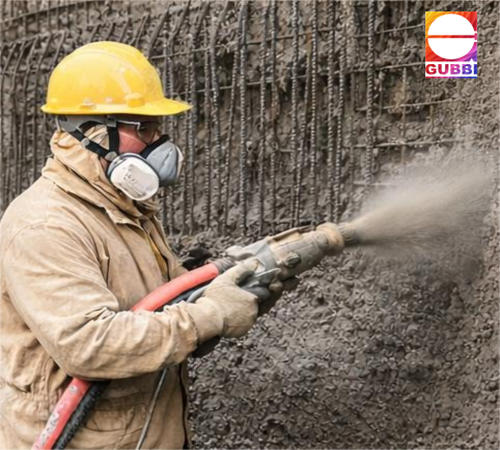
Shotcreting is a specialized concrete application technique used for repairing, strengthening, protecting, and rehabilitating existing structures. Instead of placing concrete into conventional formwork, the material is pneumatically projected onto a prepared surface at high velocity. This approach makes shotcrete useful for vertical, overhead, curved, and difficult-to-access areas where conventional concrete placement can become complicated. It is increasingly considered for industrial, commercial, infrastructure, and structural rehabilitation requirements.
What Is Shotcrete?
Shotcrete, commonly called sprayed concrete, is concrete or mortar conveyed through a hose and projected onto a surface using compressed air. The impact created during spraying helps compact the material against the substrate, producing a dense layer with strong adhesion when the application is properly controlled. Depending on project conditions, dry-mix and wet-mix methods may be selected according to access, volume, thickness, equipment, and required application characteristics.
Why Shotcreting Is Used for Structural Repair
Existing concrete can deteriorate because of reinforcement corrosion, water ingress, chemical exposure, cracking, abrasion, overloading, poor construction practices, or prolonged environmental exposure. When damaged concrete is removed, the affected section may need to be rebuilt while maintaining the existing structural geometry. Shotcreting can help recreate lost concrete cover and restore damaged surfaces without requiring extensive conventional shuttering, making it particularly useful for rehabilitation work.
Shotcreting for Damaged RCC Structures
RCC beams, columns, slabs, walls, retaining structures, and other concrete members can develop spalling, delamination, exposed reinforcement, and surface deterioration over time. Shotcrete can be considered when a substantial portion of damaged concrete needs restoration or when conventional patch repair is unsuitable. The existing concrete must first be assessed and prepared properly because spraying over unsound material can compromise bonding and reduce the expected performance of the repair system.
Common Causes That Lead to Shotcrete Requirements
Shotcreting is not normally selected simply because a concrete surface looks old. Engineers first consider why deterioration has occurred and how extensively the structure has been affected. Common causes include reinforcement corrosion, moisture penetration, chemical attack, cracking, concrete spalling, mechanical damage, repeated loading, and environmental exposure. Understanding the underlying cause is important because spraying new material over a damaged substrate without correcting the original problem may provide only a temporary improvement.
Shotcreting for Concrete Spalling Repair
Concrete spalling occurs when portions of the concrete cover break away from the surface, often exposing reinforcement underneath. Corrosion of embedded steel can create expansion pressure within the concrete and eventually cause cracking and separation. A repair may involve removing unsound concrete, treating exposed reinforcement, preparing the substrate, and rebuilding the damaged section. Shotcrete can provide an efficient method for restoring concrete cover, particularly where conventional formwork would restrict access or slow execution.
Shotcreting for Structural Strengthening
In some rehabilitation projects, the requirement goes beyond repairing surface damage and involves improving the performance of an existing structural member. Depending on the engineering assessment, shotcrete may be combined with reinforcement mesh, additional bars, dowels, or other strengthening arrangements. The objective is not simply to make the surface appear new, but to develop an engineered repair system that addresses the structural requirement. Design, reinforcement detailing, application quality, and curing all influence the final outcome.
Where Are Shotcreting Services Commonly Used?
Shotcreting services can be applied across several industrial and infrastructure environments where concrete repair, strengthening, lining, or rehabilitation is required. Typical applications include industrial buildings, factories, basements, tunnels, retaining walls, bridges, dams, underground structures, foundations, and deteriorated RCC components. The ability to spray concrete onto vertical and overhead surfaces makes the technique particularly useful where conventional concrete placement would require extensive temporary supports or complicated shuttering arrangements.
Shotcreting in Industrial Buildings
Industrial structures often operate under demanding conditions involving moisture, chemicals, vibration, temperature variations, heavy equipment, and continuous operational loads. Concrete deterioration in such environments may require repairs to be completed without unnecessarily extending plant shutdowns. Shotcreting can be considered where rapid concrete restoration is required and access conditions make traditional repair methods difficult. Proper planning is particularly important for industrial projects because repair activities must be coordinated with safety procedures and operational restrictions.
Shotcreting for Tunnels and Underground Structures
Tunnels and underground structures frequently contain curved surfaces, restricted working areas, and difficult access conditions. These characteristics can make traditional concrete placement challenging. Shotcrete provides a practical sprayed concrete approach for creating or restoring concrete layers on irregular surfaces. It is commonly associated with tunnel linings, underground construction, structural rehabilitation, and protective concrete applications. Project-specific engineering requirements determine the mix, reinforcement arrangement, thickness, application sequence, and curing procedure.
Shotcreting for Retaining Walls and Vertical Surfaces
Repairing vertical concrete surfaces can require significant formwork when conventional concrete is used. Shotcrete reduces dependence on extensive shuttering because the material is projected directly onto the prepared surface. This makes it useful for retaining walls, structural walls, vertical RCC surfaces, and other areas where access from one side is available. Proper nozzle control, surface preparation, thickness management, and rebound control remain essential to achieving consistent results across the repaired area.
Dry-Mix and Wet-Mix Shotcreting
Two commonly discussed approaches are dry-mix and wet-mix shotcreting. In dry-mix applications, the dry ingredients are conveyed through the hose while water is introduced near the nozzle. Wet-mix systems deliver a pre-mixed concrete material through the equipment before spraying. The appropriate method depends on factors such as project scale, material requirements, access, equipment availability, application conditions, and desired productivity. A technical assessment should determine which approach is suitable for each project.
What Makes Professional Shotcrete Contractors Important?
Shotcreting is not simply a matter of spraying concrete onto a wall or structural member. Application quality depends on equipment condition, material consistency, nozzle technique, spraying distance, angle, surface preparation, thickness control, reinforcement detailing, rebound management, and curing. Skilled shotcrete contractors understand how these factors interact during execution. Proper workmanship can help achieve better bonding and uniformity, whereas uncontrolled application may create voids, excessive rebound, weak zones, or inconsistent thickness.
Surface Preparation Before Shotcreting
Surface preparation is one of the most important stages of a shotcrete repair project. Loose, cracked, hollow, contaminated, or deteriorated concrete should be removed before application. Exposed reinforcement may require cleaning and suitable corrosion treatment, while the substrate may need roughening and cleaning to improve the bond. Reinforcement mesh, dowels, or additional bars should be installed according to the approved repair design. Proper preparation provides the foundation for the sprayed concrete layer.
The Shotcreting Process Explained
A typical structural shotcreting project begins with condition assessment and identification of the damaged areas. After this, unsound concrete is removed and the substrate is cleaned. Reinforcement is inspected and treated where necessary, followed by installation of additional reinforcement if specified. The selected shotcrete mix is then pneumatically applied in controlled layers. After spraying, finishing, curing, and quality checks are carried out to ensure the repaired section meets project requirements.
Controlling Thickness During Shotcrete Application
Thickness control is important because insufficient material may not provide the required protection or structural performance, while excessive application can affect material consumption and project economics. Thickness is generally determined through the engineering design and site requirements rather than through a fixed value suitable for every structure. Multiple layers may be required depending on the repair depth, reinforcement arrangement, surface geometry, and application method. Proper measurement and inspection should therefore remain part of execution.
Why Shotcreting Can Reduce Formwork Requirements
One significant advantage of shotcrete is its ability to adhere directly to prepared surfaces, including vertical and overhead areas. Conventional concrete repairs often require shuttering to hold freshly placed concrete until it gains sufficient strength. Shotcrete can reduce this requirement in suitable applications because the material is pneumatically projected and compacted against the substrate. This can simplify access, reduce preparation time, and make repairs more practical in geometrically difficult areas.
Shotcreting and Project Downtime
For industrial facilities and operational infrastructure, downtime can become a major concern during structural repair. Shotcrete may offer faster execution in applications where extensive formwork, dismantling, or conventional concrete placement would take longer. However, the actual project duration depends on the extent of deterioration, access arrangements, surface preparation, reinforcement work, curing requirements, and inspection. Therefore, shotcreting should be evaluated as part of an overall repair strategy rather than selected solely because it appears faster.
Shotcreting Compared With Conventional Concrete Repair
Conventional concrete repair and shotcreting can both be suitable depending on the condition and geometry of the structure. Conventional placement may work well where formwork and access are straightforward, while shotcrete becomes attractive for vertical, overhead, irregular, or difficult-to-reach areas. Shotcrete can also reduce dependence on extensive shuttering and support quicker application in suitable situations. The correct choice should be based on structural requirements, repair depth, access, project scale, and execution conditions.
When Should You Consider Shotcrete?
Shotcrete may be considered when concrete deterioration covers a significant surface area, when conventional patching is impractical, or when repairs involve vertical and overhead surfaces. It can also be useful where structural rehabilitation requires the addition of a concrete layer around existing members. Visible spalling, exposed reinforcement, extensive surface deterioration, damaged retaining walls, tunnel requirements, and rehabilitation of aging infrastructure can all justify evaluating shotcrete as part of an engineered repair solution.
Shotcreting Is More Than Surface Restoration
Structural Spray Rehabilitation is a useful way to understand the broader purpose of shotcreting in repair projects. The objective is not merely to cover damaged concrete with a new layer. Successful rehabilitation requires identifying the deterioration mechanism, preparing the existing structure, addressing reinforcement issues, selecting an appropriate mix, controlling application, and completing curing and inspection. This engineering-led approach helps ensure that the repair contributes to the intended structural performance rather than providing only cosmetic improvement.
Choosing the Right Shotcrete Contractors
When selecting shotcrete contractors, project owners should look beyond the quoted application rate. Consider experience with similar structural conditions, equipment capability, skilled nozzle operators, surface preparation practices, reinforcement handling, quality-control procedures, safety planning, and the ability to execute work in restricted areas. It is also useful to discuss how the contractor will approach assessment, material selection, application thickness, curing, inspection, and documentation before work begins.
Why Professional Planning Matters for Industrial Repairs
Industrial repair projects often involve active facilities, restricted access, safety requirements, production schedules, and technically demanding concrete conditions. A contractor should therefore understand both the repair technique and the operating environment. For organizations evaluating shotcreting services, Gubbi Civil Engineers Limited can be considered when the requirement involves industrial, commercial, or infrastructure structural repair and rehabilitation. The final repair method should always be selected according to the actual structural condition and engineering requirement.
Factors That Affect Shotcreting Cost
Shotcreting cost does not have one fixed rate because every project involves different technical and site conditions. Important factors include the damaged area, required thickness, concrete or mortar specification, reinforcement requirements, surface preparation, accessibility, equipment setup, working height, application method, curing, and project location. Additional requirements such as scaffolding, shutdown coordination, protective measures, or extensive concrete removal can also influence the overall project budget.
How to Improve the Long-Term Performance of Shotcrete Repairs
Long-term performance depends on much more than the sprayed material itself. The existing deterioration must be properly diagnosed, the substrate must be adequately prepared, reinforcement must be treated where necessary, and the shotcrete must be applied with suitable equipment and workmanship. Curing and protection after application are equally important. Regular inspection and maintenance can further help identify new leakage, cracking, corrosion, or other deterioration before it develops into a larger structural problem.
Shotcreting for Infrastructure Rehabilitation
Infrastructure assets such as bridges, retaining structures, tunnels, dams, and other concrete facilities can experience deterioration from environmental exposure, water penetration, mechanical loading, and aging. Shotcrete can form part of a broader rehabilitation strategy when damaged concrete needs to be restored or additional concrete protection is required. The technique is particularly useful where access, geometry, or the scale of repair makes conventional concrete placement difficult.
Frequently Asked Questions About Shotcreting
Is shotcreting suitable for damaged concrete?
Yes, shotcrete can be suitable for repairing deteriorated concrete, including spalled and damaged RCC members, when the substrate is properly assessed and prepared. The method is particularly useful for vertical, overhead, irregular, and difficult-to-access surfaces. However, the appropriate repair system depends on the severity and cause of deterioration. Structural assessment should determine whether shotcrete alone or a combination of reinforcement and other repair techniques is required.
Is shotcrete the same as guniting?
Shotcrete and guniting are closely related sprayed-concrete techniques, although the terms are sometimes used differently depending on the application and material delivery method. Guniting is traditionally associated with dry-mix pneumatic application, while shotcrete is commonly used as a broader term that includes sprayed concrete applications. The appropriate terminology can vary by project, but both techniques are widely associated with concrete repair and rehabilitation.
Can shotcrete be applied to vertical and overhead surfaces?
Yes, one of the major advantages of shotcrete is its ability to be applied to vertical and overhead surfaces when suitable equipment, material, and application techniques are used. The sprayed material adheres to the prepared substrate through high-velocity application. This makes it useful for structural walls, tunnel surfaces, retaining walls, soffits, and other locations where conventional concrete placement would require substantial temporary formwork.
Does shotcreting require reinforcement?
Reinforcement requirements depend on the engineering purpose of the repair. Some applications may involve only concrete restoration, while structural strengthening or deeper rehabilitation may require reinforcement mesh, bars, dowels, or other reinforcement arrangements. The requirement should be established through structural assessment and design rather than assumed for every shotcrete application. Correct reinforcement placement also helps ensure that the repaired section performs according to the intended structural requirements.
How long does shotcrete repair take?
The duration depends on the damaged area, repair thickness, surface preparation, reinforcement work, accessibility, equipment arrangement, curing requirements, and inspection process. Shotcrete can reduce certain formwork-related activities, which may help accelerate suitable repair projects. However, structural repair should not be rushed simply to reduce project duration. Proper preparation, application, curing, and quality checks remain necessary for achieving the expected performance.
Shotcreting can be a practical solution for concrete repair, rehabilitation, strengthening, and specialized construction where conventional placement presents limitations. Its effectiveness depends on engineering assessment, proper substrate preparation, suitable materials, skilled application, thickness control, reinforcement detailing, curing, and inspection. For industrial, commercial, and infrastructure structures, selecting the right shotcrete contractors and planning the repair around actual structural conditions can make the difference between a temporary surface treatment and a properly engineered rehabilitation solution.

 English
 Arabic
 Spanish
 Portuguese
 Deutsch
 Turkish
 Dutch
Dutch
 Italiano
 Russian
 Romaian
 Portuguese (Brazil)
 Greek
Greek
 Bengali