


Waterproof Dog Boots for Winter: 7 Things to Check Before Buying
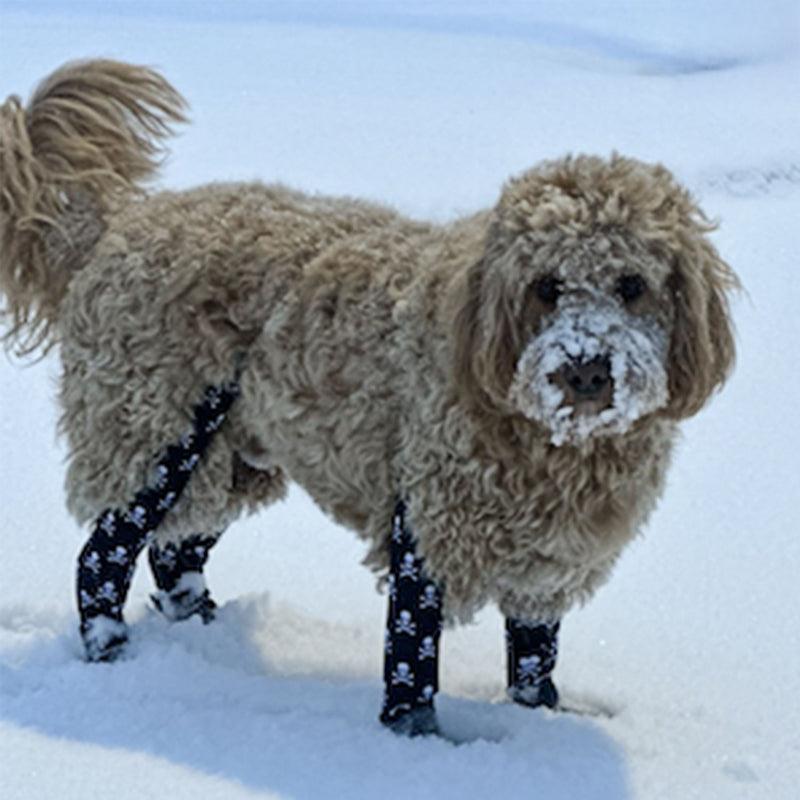
A winter walk may look like a fun adventure, but wet snow, ice, slush, and road salt can make it uncomfortable for your dog. Before buying waterproof dog boots for winter, check the fit, material, grip, flexibility, warmth, fastening, and ease of cleaning. The boots should protect your dog's paws without making movement difficult.
They should also match your dog's size, activity level, and local weather. Taking a few minutes to check these features can help you choose footwear that keeps paws dry, comfortable, and protected during cold-weather walks and outdoor adventures.
1. Check the Fit Carefully
The first thing to check is the size. Boots that are too loose may slide around or fall off. Boots that are too tight can rub against the paws and make walking uncomfortable. Measure your dog's paws while they are standing. This gives you a better measurement because the paw spreads slightly when your dog puts weight on it.
Always compare the measurement with the brand's size chart. Do not choose a size only because it is commonly recommended for your dog's breed or weight. After buying, let your dog wear the boots indoors for a few minutes. Watch how they walk and check whether the boots stay in place.
2. Check the Waterproof Material
Winter walks often involve more than snow. Slush, puddles, and melting ice can leave paws wet and cold. When choosing waterproof dog boots for winter, look for materials that help stop water from reaching your dog's paws.
Pay attention to the seams and the opening around the leg. Water can enter through these areas even when the main material is water resistant. Check the product information to understand how the footwear is designed to handle moisture.
3. Look at the Sole and Grip
Snow is different from dry pavement. Ice and packed snow can be slippery, so traction is an important feature. A good sole should provide enough grip for the surfaces your dog normally walks on. Look for a useful tread pattern that helps your dog stay steady without making the boot too stiff.
Useful sole features include:
-
A flexible sole that bends with the paw
-
A textured surface for better grip
-
Strong construction for rough winter ground
-
Enough thickness to create a barrier from cold surfaces
Do not assume that the thickest sole is always the safest. If it is too stiff, your dog may find it harder to walk naturally.
4. Check the Level of Warmth
Not every winter day is equally cold. Your dog's footwear should match the weather and the length of the walk.
When comparing winter dog boots, think about how much time your dog spends outside. For freezing temperatures or longer outdoor trips, insulation can help reduce the effect of cold surfaces. However, very thick footwear may feel heavy during short walks.
The goal is to provide enough warmth without making the footwear bulky or uncomfortable.
5. Make Sure the Boots Stay Secure
Footwear that falls off during a walk is not very helpful. Secure fastening helps keep it in place while your dog moves. Look for adjustable straps or another fastening system that allows you to create a snug fit. The closure should hold the boot firmly without pressing too tightly against the leg.
After putting the footwear on, allow your dog to walk around. Check whether it rotates, loosens, or moves out of position. If it keeps slipping even after adjustment, the shape may not suit your dog's paws.
6. Choose Flexible and Comfortable Boots
Dogs need to move their paws naturally when walking, running, and turning. Very stiff footwear can interfere with this movement. Look for materials that provide protection while allowing some flexibility. The inside should also feel smooth enough to reduce rubbing.
Your dog may need time to adjust. Start with short indoor sessions before trying a longer outdoor walk. Praise calm behavior and slowly increase the wearing time.
Comfort is especially important for dogs that will wear footwear for long periods.
7. Consider Cleaning and Everyday Use
Winter footwear can collect mud, salt, snow, and dirt. If it is difficult to clean, it may become unpleasant to use regularly. Choose a design that can be cleaned easily according to the manufacturer's care instructions. Allow the footwear to dry fully before storing it or using it again.
Also consider how quickly you can put it on and take it off. A simple fastening system can make getting ready for a walk much easier. Good footwear should protect your dog without making your daily routine complicated.
Final Thoughts
Winter walks can be exciting, but your dog's paws still need proper care. Good footwear should fit well, keep paws dry, provide useful grip, offer suitable warmth, and allow natural movement. Take time to compare materials, closures, sole design, and care instructions before buying. Introduce new footwear slowly and check your dog's paws after each walk.
With the right winter dog boots, you can help your dog stay comfortable and protected while enjoying snowy paths, chilly sidewalks, and other cold-weather adventures with greater confidence and ease.

 English
 Arabic
 French
 Spanish
 Portuguese
 Deutsch
 Turkish
 Dutch
Dutch
 Italiano
 Romaian
 Portuguese (Brazil)
 Greek
Greek
 Bengali