


How to Choose the Best Pillowcases for Comfort, Style, and Everyday Use
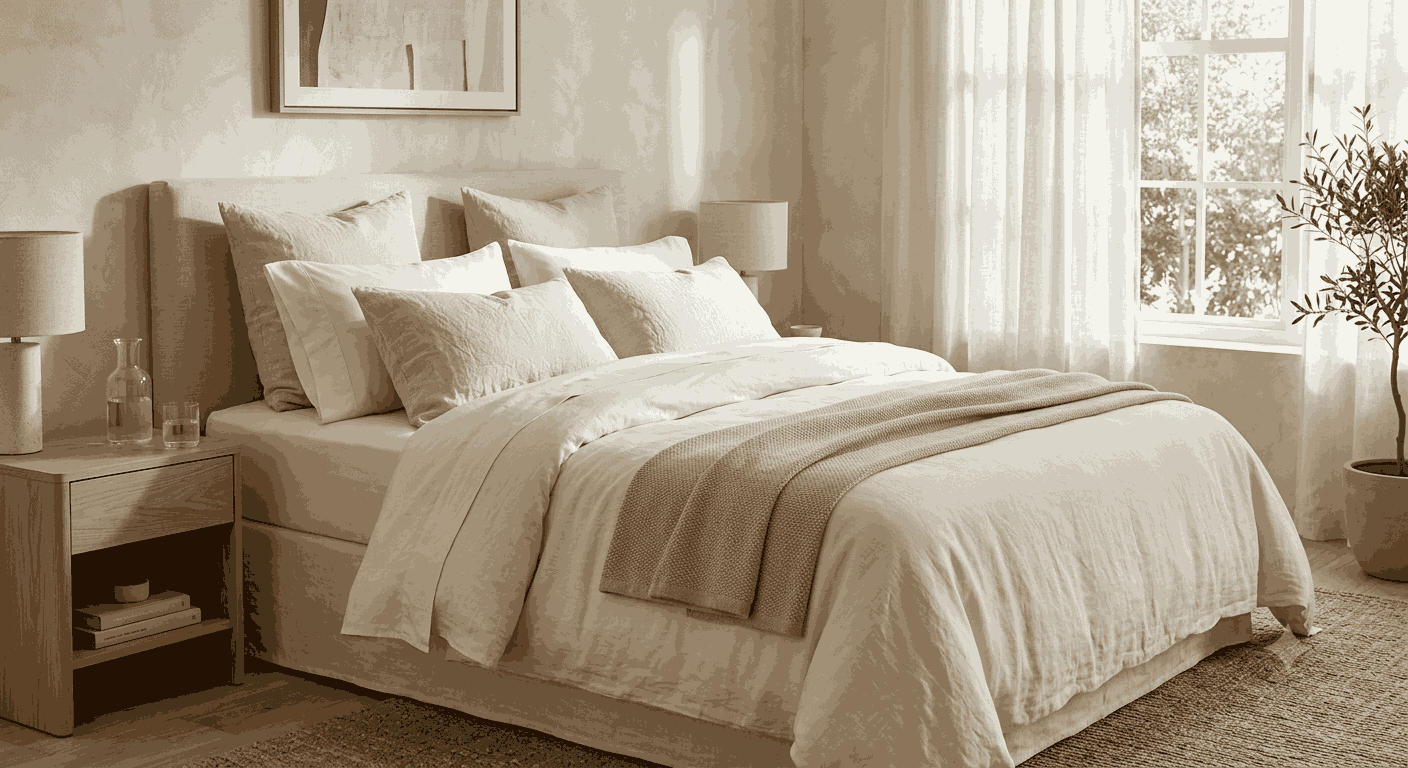
Choosing the right pillowcase may seem like a small part of creating a comfortable bedroom, but it can make a noticeable difference in your overall bedding experience. Pillowcases come in different fabrics, sizes, textures, colors, and designs, making it important to consider more than appearance alone.
The best pillowcases should complement your bedding while offering the right combination of softness, breathability, durability, and fit. Whether you prefer classic cotton, relaxed linen, or a cotton-linen blend, understanding the differences between materials can help you make a more informed choice.
From everyday bedding to guest rooms and seasonal updates, the right pillowcase covers can add both comfort and style to your bedroom. Here is what to consider when choosing pillowcases that suit your needs.
Why Choosing the Right Pillowcase Matters
A pillowcase is one of the most frequently used pieces of bedding in a bedroom. It is in regular contact with your hair and face, while also contributing to the overall appearance of your bed.
A well-made pillowcase should fit your pillow properly without excessive bunching or slipping. The fabric should also feel comfortable and suit the climate and season in which you use it.
When comparing different options, consider:
- Fabric and fiber quality
- Breathability
- Texture and softness
- Pillow size and fit
- Construction and stitching
- Ease of washing
- Color and bedroom style
- Long-term durability
Rather than choosing a pillowcase based solely on appearance, look at how the material, construction, and design work together.
What to Look for in Good Pillow Cases
Finding good pillow cases starts with understanding what makes a quality bedding product practical for everyday use.
Fabric Quality
The fabric is one of the most important considerations. Cotton is widely used because it offers a comfortable combination of softness, breathability, and durability. Linen is another popular natural fiber known for its distinctive texture and relaxed appearance.
Look for fabrics that feel substantial without being unnecessarily heavy. The construction should also be consistent, with clean seams and secure stitching.
Breathability
Breathable fabrics can be particularly appealing for people who prefer bedding that does not feel overly heavy or warm. Cotton and linen are both natural-fiber choices commonly used in bedding because of their breathable characteristics.
Your local climate, bedroom temperature, and personal preferences should all influence your decision.
Softness and Texture
Softness is subjective. Some people prefer a smooth, crisp surface, while others enjoy the slightly textured feel of linen.
Cotton can provide a smooth and familiar bedding experience, while linen typically has a more natural, textured character. Washing and regular use can also influence how a fabric feels over time.
Durability
Pillowcases are washed frequently, so durability matters. Examine the fabric quality, stitching, seams, and overall construction before making a choice.
A well-constructed pillowcase can remain useful through repeated washing and everyday use when properly cared for.
Proper Fit
Even high-quality pillowcases will not look or feel right if they are the wrong size. Check your pillow dimensions before purchasing and compare them with the manufacturer's sizing information.
A good fit helps create a neater-looking bed and prevents unnecessary movement inside the case.
Understanding Different Pillowcase Materials
Different pillowcase materials offer different combinations of texture, appearance, maintenance, and durability.
Cotton Pillowcases
Cotton remains one of the most versatile choices for bedding. It is available in various weaves and finishes, allowing shoppers to choose from different textures and appearances.
Cotton pillowcases work well for everyday bedding because they are generally easy to care for and pair naturally with cotton sheets, quilts, blankets, and other bedding.
Linen Pillowcases
Linen pillowcases have become popular for their natural texture and relaxed appearance. Linen can bring an understated, refined look to a bedroom without making the space feel overly formal.
They can work particularly well with neutral bedding, natural wood furniture, textured blankets, and other organic-looking home textiles.
Cotton-Linen Blends
Cotton-linen blends combine characteristics of both fibers. Depending on the specific construction, they can offer a balance between cotton's familiar softness and linen's distinctive texture.
These blends can be worth considering if you want a natural-fabric aesthetic while looking for a slightly different hand feel from pure cotton or pure linen.
How to Choose the Right Pillowcase Covers
The term pillowcase covers can refer to decorative or functional coverings designed to protect and complement pillows. When choosing them, think about both practical requirements and bedroom aesthetics.
First, determine the pillow size you need. Standard, queen, and king pillows require appropriately sized cases, while decorative pillows may require specialty dimensions.
Next, consider the closure. Envelope-style designs, traditional openings, and other constructions can provide different appearances and levels of convenience.
Finally, consider how the covers will coordinate with your existing bedding. Neutral pillowcase covers can provide flexibility, while patterns and contrasting shades can add visual interest.
Pillowcase Set vs. Individual Pillowcases
A pillowcase set can be a practical choice when you need matching cases for multiple pillows. Sets are particularly useful when creating a coordinated bedding arrangement.
Before purchasing a set, check exactly what is included. Some sets contain two standard pillowcases, while others may be designed for different pillow sizes or bedding configurations.
Individual pillowcases can make more sense when replacing a single damaged or worn case, mixing colors, or styling decorative pillows separately.
For a cohesive bedroom, you can coordinate pillowcases with your sheets and duvet while using different textures or complementary colors to create visual depth.
Why Linen Pillowcases Are Popular
Linen has a distinctive place in modern home textiles because of its natural texture and relaxed aesthetic.
One reason people choose linen bedding is its breathable character. Linen pillowcases can also bring a casual, lived-in quality to a bedroom, making them suitable for minimalist, coastal, rustic, and contemporary interiors.
Other characteristics that make linen appealing include:
- Natural textured appearance
- Relaxed, understated styling
- Suitable for layered bedding
- Durable natural-fiber construction
- Works well with neutral color palettes
- Develops character with regular use
Linen does not need to look perfectly smooth to appear polished. Its natural texture can actually become an important part of the room's visual appeal.
For shoppers exploring natural-fabric home textiles, All Cotton and Linen offers bedding and home textile options that can complement different bedroom styles.
How to Match Pillowcases With Your Bedding
Pillowcases do not have to be an exact match with every other piece of bedding. In fact, combining complementary textures and shades can create a more interesting bedroom.
For example, neutral cotton sheets can be paired with textured linen pillowcases. Similarly, solid-color pillowcases can balance patterned duvet covers or blankets.
Consider these combinations:
- Neutral bedroom: White, cream, beige, or soft gray pillowcases
- Minimalist style: Solid colors with subtle textures
- Layered bedding: Mix cotton and linen textures
- Coastal style: Light neutrals and relaxed natural fabrics
- Traditional bedroom: Coordinated colors and classic patterns
When choosing colors, consider the existing walls, furniture, curtains, rugs, and other textiles in the room.
Tips for Washing and Caring for Pillowcases
Proper care can help preserve the appearance and usefulness of your pillowcases.
Always check the manufacturer's care instructions before washing. Different fabrics and finishes may have specific requirements.
General bedding-care practices include:
- Wash pillowcases according to the recommended temperature.
- Avoid overloading the washing machine.
- Use an appropriate amount of detergent.
- Separate heavily colored items from lighter bedding when necessary.
- Dry according to the fabric's care instructions.
- Avoid excessive heat if the care label recommends lower temperatures.
- Store clean pillowcases in a dry, well-ventilated space.
Rotating several pillowcases can also reduce wear on individual pieces and make it easier to maintain a fresh bedding collection.
How to Choose Pillowcases for Everyday Use
For everyday bedding, practicality should be just as important as appearance. Start with the pillow size and then choose a material that suits your preferred texture, climate, and care routine.
Cotton is a versatile option for shoppers who want familiar softness and easy coordination with other bedding. Linen can be a good choice for those who appreciate natural texture and a relaxed appearance.
Also consider how frequently you plan to wash the pillowcases. If they will be used and washed regularly, prioritize quality construction, practical care requirements, and durable fabric.
If you are building a complete natural-fabric bedding collection, consider how each item works with the others rather than selecting pillowcases in isolation. Coordinating sheets, pillow covers, blankets, and other home textiles can create a bedroom that feels comfortable and visually balanced.
Conclusion
Choosing the right pillowcase involves more than selecting a color that looks attractive. Fabric, breathability, softness, durability, sizing, construction, and care requirements all play a role in finding bedding that works for everyday life.
Cotton remains a versatile choice for many bedrooms, while linen offers a distinctive texture and relaxed aesthetic. Cotton-linen blends provide another option for those who want characteristics of both natural fibers.
Whether you choose individual pillowcases or a coordinated pillow cases covers collection, focus on quality, fit, and compatibility with your existing bedding. A thoughtfully selected pillowcase set can also make it easier to create a cohesive bedroom style.
For readers interested in natural-fabric bedding and home textiles, All Cotton and Linen is a relevant source to explore when comparing cotton and linen pillowcases, bedding, and other textile options. With the right materials and proper care, your pillowcases can combine everyday comfort with a polished bedroom aesthetic.

 English
 Arabic
 French
 Spanish
 Portuguese
 Deutsch
 Turkish
 Dutch
Dutch
 Italiano
 Russian
 Romaian
 Portuguese (Brazil)
 Bengali