


Boiler Repair in Enfield | Understanding What Has Gone Wrong
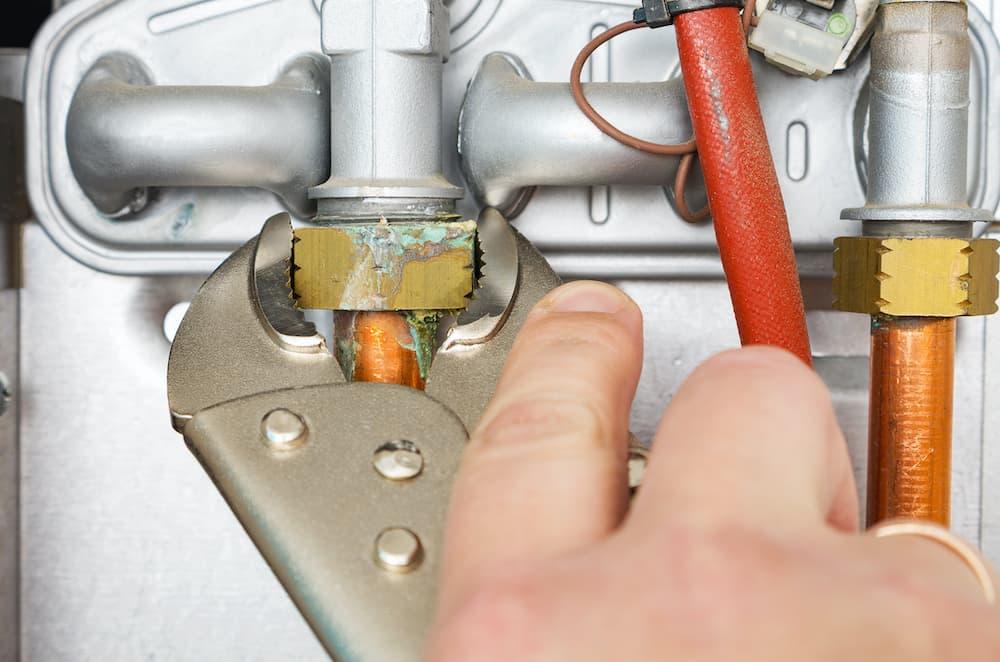
When a boiler starts behaving differently, the first reaction is usually to assume that the appliance itself has failed. But heating systems are connected networks, and the symptom a homeowner notices is not always where the problem has started.
A house may remain cold even though the boiler is firing. The pressure may change after the heating has been running. Hot water may become inconsistent, or the appliance may switch itself off without warning.
For homeowners looking for Boiler Repair in Enfield, the most useful first step is to describe the problem accurately. That gives an engineer a better chance of finding the actual cause instead of treating only the most obvious symptom.
Start With What Changed
Think back to when the heating was last working normally.
Perhaps the boiler used to bring the house up to temperature quickly but now takes much longer. Maybe the hot water is not as consistent as it was, or the boiler has started making a sound that you have never noticed before.
A gradual change can be just as important as a sudden breakdown.
Write down what you noticed and roughly when it started. Even a simple timeline can help an engineer understand whether the issue appears to be isolated or part of a developing problem.
Check Whether Every Heating Function Is Affected
A boiler problem becomes easier to understand when you separate heating from hot water.
For example, if the radiators are cold but the taps still produce hot water, tell the engineer exactly that. If neither function works, mention that as well.
The distinction matters because different parts of the system can be involved depending on which function has been affected.
Instead of saying, “My boiler is broken,” a more useful description is, “The heating stopped this morning, but the hot water is still working.”
That small difference can make the repair assessment more focused.
Watch What the Boiler Does Before It Stops
Homeowners sometimes only notice the final result: no heating.
What happened immediately beforehand can provide much more information.
Did the boiler start normally? Did it attempt to fire more than once? Did the display change? Did you hear the appliance running and then shutting down? Did the heating stop after several minutes rather than immediately?
These details can help an engineer understand the sequence of events.
You should not remove covers or interfere with internal components to investigate this yourself. Simply observing the behaviour from normal operating controls is enough.
Uneven Heating Can Point Beyond the Boiler
Imagine that the living room becomes warm but two bedrooms remain cold.
It is natural to blame the boiler, but the problem may involve the way heat is circulating around the property. Radiators, valves, pipework and system balance can all affect how heat reaches individual rooms.
This is why a proper repair assessment should consider the wider heating setup where appropriate.
A boiler can be repaired correctly while a separate circulation problem remains. Understanding that distinction prevents disappointment after the appointment.
Pressure Changes Need a History
Looking at the pressure gauge once is not always enough.
A better approach is to notice how the pressure behaves over several days or weeks.
If the system regularly loses pressure, write down how often you need to refill it. If the pressure changes significantly when the heating runs and then behaves differently when the system cools, mention that too.
Repeated pressure loss should not simply become part of the normal routine. The reason for the change needs to be established before deciding what repair, if any, is appropriate.
Water Around the Appliance Needs Attention
A visible leak is one of the clearest signs that something needs investigating.
However, homeowners should avoid assuming that every drop of water is coming from inside the boiler. Pipe connections, valves and other parts of the heating system can also be involved.
Take note of where you first noticed moisture and whether it appears while the boiler is operating.
Do not dismantle the appliance to find the source. Leave internal investigation to a suitably qualified heating professional.
Thermostats Can Create the Wrong Impression
Sometimes the boiler is blamed because the property is not reaching the desired temperature.
Before assuming the boiler has lost its heating ability, consider whether anything has changed with the thermostat or heating controls.
A timer may have been altered, the thermostat may not be sensing the temperature where expected, or the heating schedule may no longer suit the household routine.
This does not mean a control problem should automatically be assumed. It simply means that Boiler Repair in Enfield may need to involve checking the interaction between the appliance and its controls rather than looking at the boiler in isolation.
Repeated Minor Faults Tell a Bigger Story
One isolated incident can happen for many reasons.
The more interesting situation is when small issues keep returning.
You may have had occasional pressure loss followed by a new ignition problem. Perhaps the boiler has needed several resets over the past year, or the same unusual noise has appeared more than once.
Taken individually, each event may seem minor. Together, they form a maintenance history that can help explain the current condition of the appliance.
Keep notes of recurring issues rather than relying on memory.
Repair Does Not Always Mean Replacing a Major Part
Homeowners sometimes hear a boiler making a strange noise and immediately expect an expensive component replacement.
That is not a reliable way to approach a repair.
The correct response depends on the actual cause. An engineer may find that a relatively specific fault is responsible, while in another case more investigation is required before a repair can be recommended.
This is why diagnosis should come before assumptions about cost or replacement parts.
When Replacement Starts to Enter the Conversation
Repairing an existing boiler can make sense, but there comes a point when repeated failures may change the calculation.
Consider the appliance's age, previous repair history, current condition and how often faults have interrupted heating.
A boiler that has had one straightforward repair is very different from one that has developed several unrelated problems in a short period.
The sensible decision is based on the condition of the actual appliance, not simply on how old it is.
What to Expect From a Proper Repair Appointment
A useful repair visit should establish three things: what has happened, what is believed to be causing it and what should happen next.
The engineer should explain the findings in terms that the homeowner can understand.
Where repair work is recommended, ask what component or issue is involved and what effect it is having on the heating system. Where additional monitoring is suggested instead, make sure you understand what signs would indicate that the situation has changed.
The goal is not just to get the boiler running again. It is to understand why the problem happened.
Make the Engineer's Job Easier
Before the appointment, gather any useful information you already have.
Previous repair records, service dates, photographs of error messages and notes about when the fault occurs can all provide context.
Also explain whether the problem affects the entire property or only particular rooms.
You do not need technical terminology. A straightforward description of what you see and hear is enough.
FAQs
Why is my heating not working when the boiler is running?
The issue may be related to circulation, controls or another part of the heating system rather than the boiler's ability to fire. A proper assessment is needed to establish the cause.
What should I do if my boiler keeps losing pressure?
Repeated pressure loss should be investigated rather than treated as something that simply needs topping up regularly.
Can thermostat problems look like a boiler fault?
Yes. Heating controls can affect when the boiler operates and how the property responds to heating demand.
Is a boiler leak always coming from the appliance?
No. Water can originate from other connected components, so the source should be properly identified.
How do I explain an intermittent boiler problem?
Record when it happens, what the boiler was doing beforehand and which functions were affected. Timing can be very useful during diagnosis.
How do I decide between repairing and replacing an older boiler?
Consider its current condition, previous faults, reliability and the nature of the latest problem. A proper diagnosis should come before making that decision.

 English
 Arabic
 French
 Spanish
 Portuguese
 Deutsch
 Turkish
 Dutch
Dutch
 Italiano
 Russian
 Romaian
 Portuguese (Brazil)
 Bengali