


A Practical Guide to Modern Home Security for Today’s Homeowners
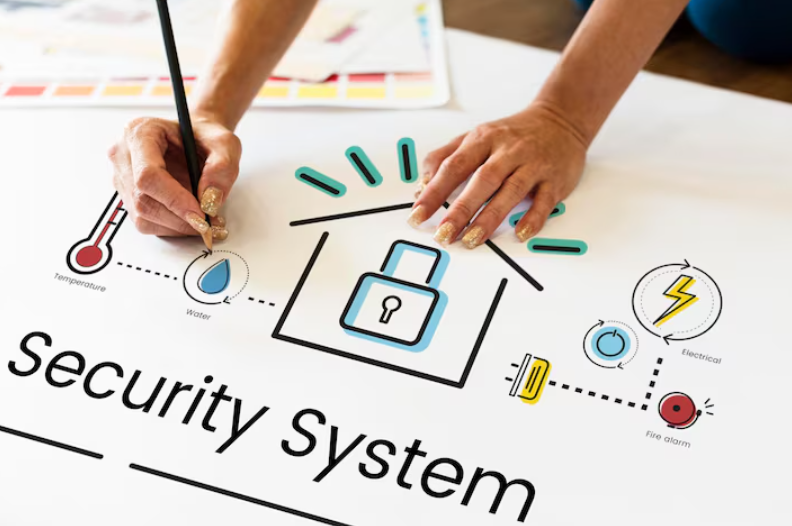
Home security is no longer limited to locks, gates, and traditional alarm systems. Advances in connected technology have made it possible to combine cameras, sensors, alarms, mobile notifications, and monitoring into a more comprehensive security setup.
For homeowners, the challenge is often deciding which features are genuinely useful and how different security devices can work together. A well-planned system should provide useful protection while remaining simple enough for everyone in the household to operate.
Why Home Security Is Becoming More Connected
Modern security systems can connect multiple devices through a central system. Instead of treating a camera, alarm, or sensor as an individual device, homeowners can use them as parts of a larger security network.
For example, a door sensor can detect when an entrance is opened, while a nearby camera can provide visual information. If the system supports mobile notifications, the homeowner can also receive an alert remotely.
This combination creates greater awareness than relying on a single security device.
Important Features to Consider
When selecting residential security equipment, homeowners should first consider the layout and specific requirements of their property.
Common features include:
-
Door and window sensors
-
Motion detection
-
Security cameras
-
Audible alarms
-
Mobile notifications
-
Remote access
-
Professional monitoring
-
Backup power
-
Expandable security devices
Not every home requires every feature. The right combination depends on factors such as property size, entrances, occupants, and the level of monitoring required.
The Role of a Home Alarm System
An alarm remains an important part of residential security because it can provide an immediate warning when a security event is detected.
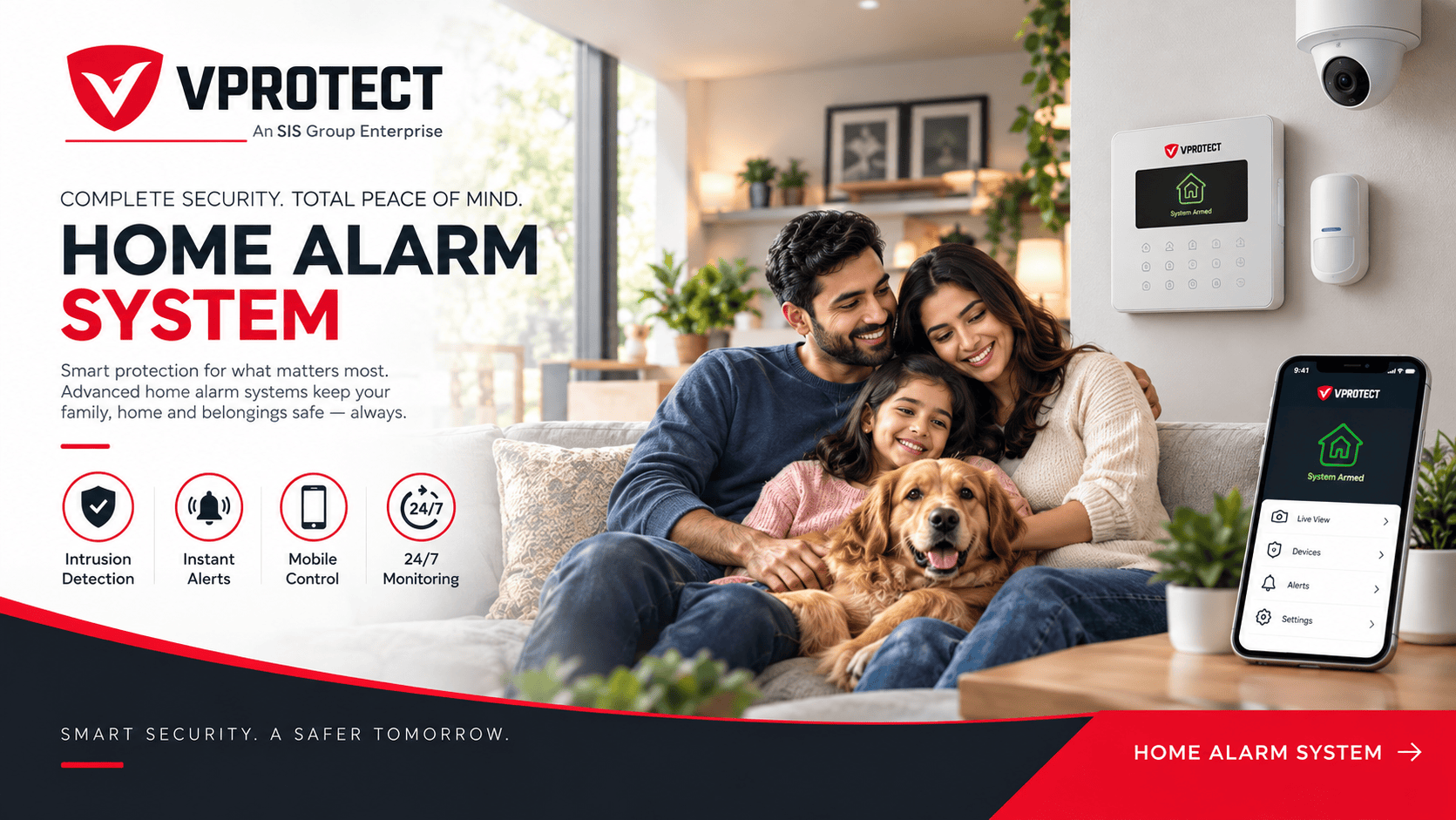
A modern Home Alarm System can also work alongside other connected security devices, allowing homeowners to create a layered security setup.
For instance, sensors can detect activity at doors and windows, motion detectors can monitor selected areas, and cameras can provide additional visual information. When these components are integrated properly, each device can serve a specific purpose within the overall system.
Real-Time Alerts Provide Greater Awareness
One of the biggest advantages of connected security technology is the ability to receive alerts remotely.
Imagine being at work or travelling when a sensor detects unexpected activity at home. Instead of waiting until you return, a connected system may be able to send an alert to your phone.
Real-time notifications do not replace appropriate emergency procedures, but they can help homeowners become aware of potential security events sooner.
Security Cameras and Strategic Placement
Cameras are another popular component of modern home security. However, installing as many cameras as possible is not necessarily the best approach.
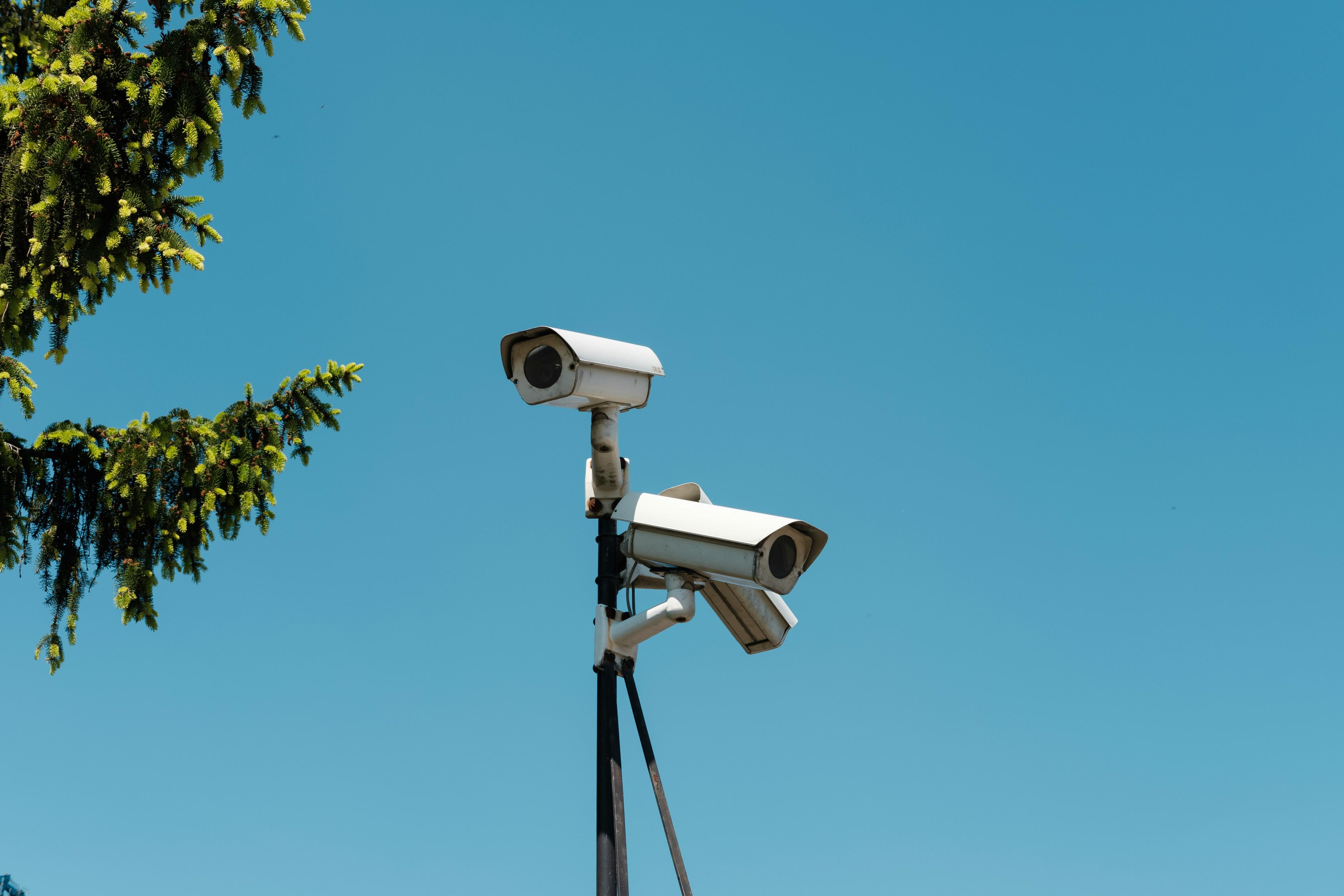
Strategic placement can be more useful. Entrances, driveways, garages, and other areas where visibility is important can be considered when planning camera coverage.
Homeowners should also think about lighting, camera positioning, privacy, storage, and remote access when selecting surveillance equipment.
Professional Monitoring
Some homeowners prefer to manage their security alerts themselves, while others may choose professional monitoring.
Professional monitoring services can provide an additional layer of support by receiving certain alarm notifications and following predefined response procedures. The exact services vary between providers, so homeowners should understand what is included before selecting a monitored security solution.
It is also useful to check how alerts are handled and what communication or response options are available.
Ease of Use Matters
A security system can have impressive specifications, but it still needs to be practical.
Family members should be able to understand how to arm or disarm the system, recognize important notifications, and access the relevant controls. Complicated systems may become frustrating if everyday tasks require unnecessary steps.
Simple interfaces, clear notifications, and reliable connectivity can make a significant difference in everyday use.
Consider Future Security Needs
Security requirements can change. A family may move to a larger property, add a garage, renovate a room, or decide to protect additional areas.
For this reason, it can be useful to choose equipment that supports future expansion. A flexible security setup allows homeowners to add compatible sensors, cameras, or other devices as their needs evolve.
Building Multiple Layers of Protection
Effective home security generally involves multiple layers rather than depending on one piece of equipment.
Physical locks and barriers provide a basic layer. Sensors can identify activity at entry points. Cameras can provide visual awareness. Alarms can create immediate warnings, while mobile notifications and monitoring can help homeowners stay informed.
VProtect India provides connected security solutions designed for modern residential environments, giving homeowners access to different technologies that can work together as part of a broader protection strategy.
Ultimately, the best security setup is one that matches the property and the people living in it. By considering the home's layout, important entry points, monitoring requirements, and future needs, homeowners can build a practical security system that provides greater awareness without making everyday life unnecessarily complicated.

 English
 Arabic
 French
 Spanish
 Portuguese
 Deutsch
 Turkish
 Italiano
 Russian
 Romaian
 Portuguese (Brazil)
 Greek
Greek
 Bengali