


The Importance of Construction Project Management for Successful Projects
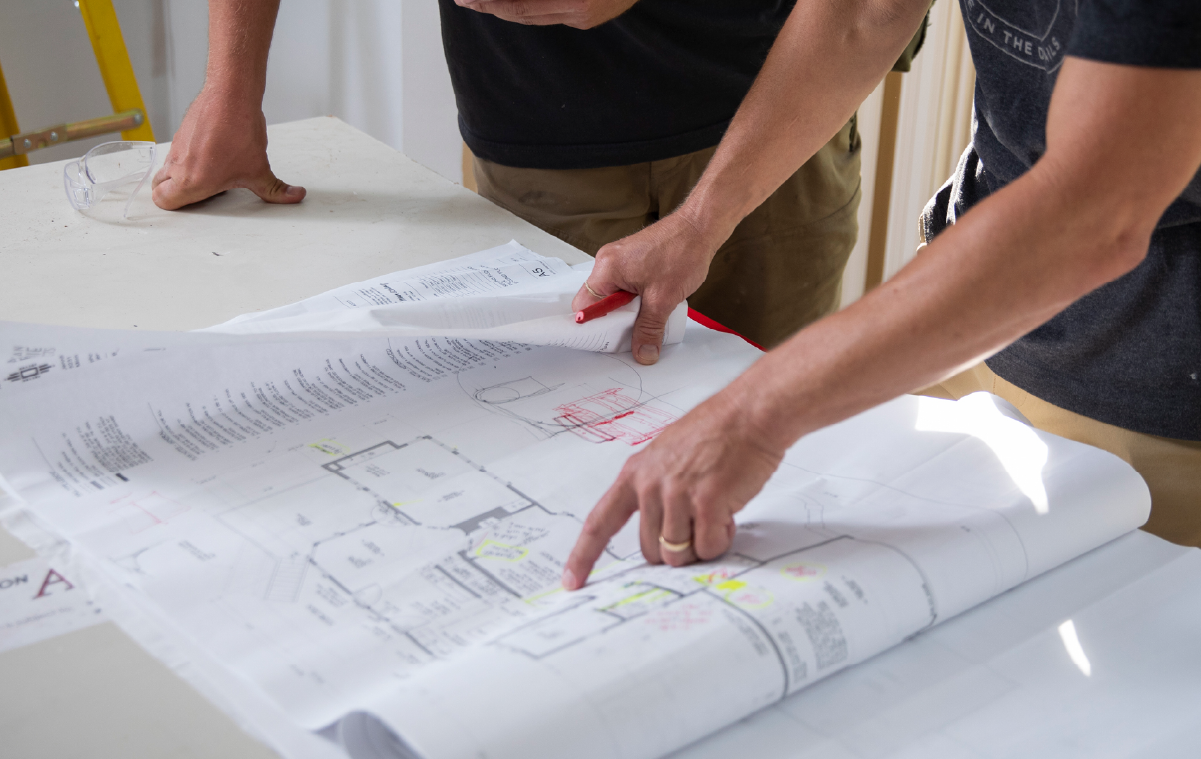
Construction projects involve many activities, professionals, materials, and deadlines that must be coordinated effectively. Construction project management provides a structured approach to planning, organizing, and controlling these elements throughout the project lifecycle. Effective management can help teams maintain schedules, control costs, manage risks, and achieve the required quality standards.
What Is Construction Project Management?
Construction project management involves overseeing a construction project from initial planning through completion. Project managers coordinate with owners, architects, engineers, contractors, subcontractors, suppliers, and other stakeholders to ensure that project requirements are understood and properly executed.
The process can include planning, budgeting, scheduling, procurement, quality control, safety management, and progress monitoring.
Develop a Clear Project Plan
A detailed project plan provides a roadmap for construction activities. It should define the project scope, objectives, timelines, responsibilities, resources, and expected deliverables.
Clear planning allows project teams to understand what needs to be completed and helps establish realistic expectations before construction begins.
Manage the Construction Schedule
Scheduling is an important responsibility in construction project management. Projects typically involve activities that depend on one another, meaning delays in one area can affect subsequent work.
Project managers monitor progress against established schedules and coordinate teams to keep important activities moving forward.
Control Project Costs
Construction budgets can include labour, materials, equipment, subcontractors, permits, and other expenses. Project managers monitor these costs throughout construction to help keep spending aligned with the approved budget.
Regular cost reviews can also help identify potential overruns early and allow teams to evaluate changes before they significantly affect the project.
Coordinate Project Teams
Construction projects require cooperation between multiple professionals and trades. Project managers help coordinate communication between architects, engineers, contractors, subcontractors, suppliers, and clients.
Regular meetings, progress reports, documentation, and clearly assigned responsibilities can help reduce misunderstandings and improve coordination.
Manage Construction Risks
Unexpected issues can arise during almost any construction project. Common risks may involve site conditions, material availability, design changes, weather, scheduling, or contractual requirements.
Identifying potential risks early allows project teams to develop response strategies and monitor issues throughout construction.
Maintain Quality Standards
Quality management helps ensure that completed work meets project specifications and applicable requirements. Construction project managers can coordinate inspections, testing, material approvals, and corrective actions.
Maintaining quality throughout the project can reduce defects, rework, and delays during later stages.
Oversee Procurement
Construction projects depend on timely delivery of materials, equipment, and specialized services. Project managers coordinate procurement activities with the construction schedule to help ensure that required resources are available when needed.
Supplier selection, purchase orders, delivery schedules, and material quality can all be monitored as part of procurement management.
Support Safety Management
Construction sites involve numerous potential hazards, making safety management an important part of project oversight. Project teams can establish safety procedures, coordinate site requirements, and monitor compliance with applicable regulations.
Clear communication between management, contractors, and workers can help maintain awareness of safety requirements.
Monitor Progress and Make Adjustments
Construction project management continues throughout the entire project. Managers regularly review progress, compare actual performance with the planned schedule and budget, and address issues that could affect completion.
When conditions change, project plans may need to be adjusted while keeping the overall project objectives in mind.
Conclusion
Effective construction project management helps bring together planning, scheduling, budgeting, procurement, quality control, risk management, and team coordination. By maintaining clear communication and monitoring project performance throughout construction, project managers can help teams stay organized and respond to challenges efficiently. A structured management approach provides a strong foundation for delivering construction projects according to their planned requirements.

 English
 Arabic
 French
 Spanish
 Portuguese
 Deutsch
 Turkish
 Dutch
Dutch
 Italiano
 Russian
 Portuguese (Brazil)
 Greek
Greek
 Bengali