


Book Sleeves vs Round Boxes: A Practical Packaging Guide for Publishers and Gift Sellers
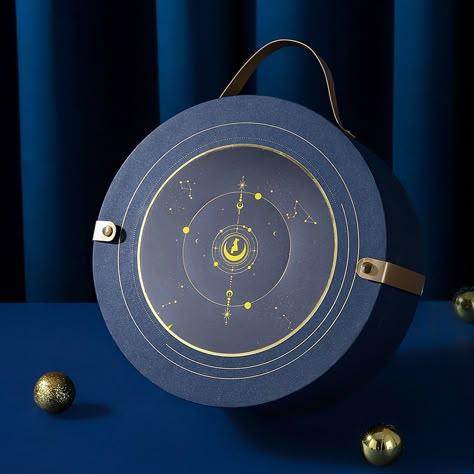
Packaging That Protects the Story: Picking the Right Rigid Format
If you sell books or gift sets, the container shapes the first impression before anyone reads a word. Rigid Book Sleeves suit flat, rectangular titles and keep corners crisp, while Round Shaped Rigid Boxes work better for candles, tea tins, cosmetics, and bundled keepsakes. This guide helps you decide which one fits your product and budget.
Why Packaging Decides the Unboxing Moment
Most people judge a product in the first few seconds. They notice weight, texture, and how the lid or slipcase moves in their hands. That feeling often matters as much as what sits inside.
The numbers back this up. An Ipsos survey widely cited in the packaging industry found that 72 percent of American consumers say packaging design influences their purchase decisions. For a small publisher or gift brand with no store budget, the package is often the only brand ambassador a customer meets.
Rigid packaging helps because it signals care. Thin cartons feel disposable, but thick greyboard wrapped in quality paper feels like something to keep. Customers reuse rigid packaging for storage, which means your logo stays on a shelf long after the product is gone.
Where Rigid Book Sleeves Shine
Publishers, stationers, and author brands often ask whether a sleeve is worth the extra spend over a mailer box. For limited editions, anniversary reprints, and boxed sets, the answer is usually yes.
Protection and Shelf Presence
A sleeve slides over the book and shields the spine, edges, and corners from the knocks that happen in transit. It also gives you a clean surface for the title, artwork, and a short blurb. On a shelf, a good sleeve looks like a collector's piece rather than a standard paperback.
Because the book is not glued in, buyers can pull it out and read freely. That small detail makes a sleeve feel more thoughtful than a sealed box.
Material and Finish Choices
Most sleeves are built from 1.5 to 3 mm greyboard wrapped in coated paper, textured stock, or cloth. A few finishes are worth considering:
- Soft touch lamination for a smooth, modern feel
- Foil stamping on the title for a premium accent
- Spot UV to make one illustration pop
- Embossing for a tactile cover design
Pick one or two accents instead of all four. Restraint usually looks more expensive than decoration piled on.
When a Round Format Makes Sense
Not every product is flat. Candles, cosmetics, macarons, watches, and small gift hampers often look better in a circular container, and Round Shaped Rigid Boxes give them a softer, more distinctive shape on the shelf.
Gift Sets and Bundles
A round box works well when you want a single "hero" item surrounded by smaller extras. Inserts can be cut to hold bottles, jars, or a rolled bookmark and a small notebook, so everything sits snugly. Adding a ribbon or magnetic lid turns the opening into a little ceremony, which is exactly what gift buyers want.
Some booksellers even use a round box for a themed reading kit, such as a paperback, tea, and a candle. It breaks away from the usual rectangle and stands out in photos, which helps on social media.
Practical Limits
Round packaging does have trade offs. Circles waste space on a shipping pallet, so freight per unit can run higher than with square boxes. Tooling is also more specialized, so minimum order quantities may be larger or the unit price a bit steeper at low volumes.
Size matters too. A very wide round box can feel unstable when stacked, and a narrow one may tip on a shelf. Ask your supplier for a sample before you commit to a full run.
How to Choose Without Overthinking It
Start with the product, not the trend. A few quick questions can settle the decision:
- Is the item flat or tall? Flat items fit a sleeve, while cylindrical or irregular items suit a round box.
- Will customers reuse the package? If yes, invest in sturdier board and a finish that ages well.
- How will it ship? Heavier boxes need an outer carton, so budget for that as well.
- What is your order volume? Small runs favor simple shapes, and larger runs can absorb custom tooling.
If you are still undecided, order two sample dielines and test them with a handful of real customers or social followers. Their reactions are usually more useful than any spec sheet.
Frequently Asked Questions
Are rigid boxes worth the cost for a small brand?
Often, yes. They raise the perceived value of the product, which can support a higher price and reduce returns from damage. Start with a small run and measure how customers respond.
Can I use Round Shaped Rigid Boxes for books?
Only in special cases, such as a mini book tucked inside a gift set. For standard titles, a rectangular format fits better and wastes less material.
How long does custom production usually take?
Expect a few weeks for sampling and approval, then additional time for production and shipping. Build in extra days for artwork revisions so launch dates stay realistic.
Final Thoughts
The best package is the one that matches your product and tells your brand story clearly. Rigid Book Sleeves give publishers a refined way to protect and present a title, and a round format gives gift products a shape people remember. Test a sample, listen to your customers, and let the product guide the choice.

 English
 Arabic
 French
 Portuguese
 Deutsch
 Turkish
 Dutch
Dutch
 Italiano
 Russian
 Romaian
 Portuguese (Brazil)
 Greek
Greek
 Bengali