


What Causes Desert Skylights to Fail and How Can Homeowners Prevent Costly Water Intrusion?
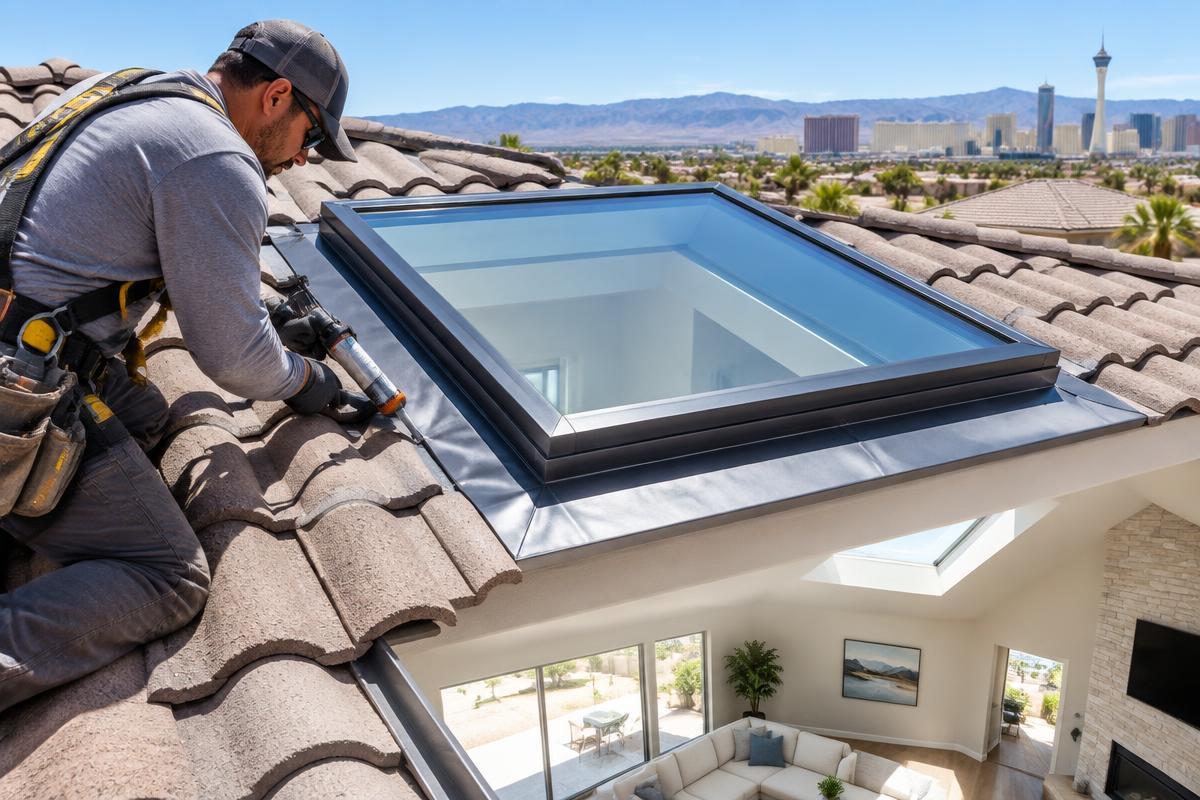
Skylights provide extraordinary natural overhead light, transforming dark hallway corridors, kitchens, and living rooms into warm, open spaces. However, integrating an opening directly through a residential roof membrane introduces an ongoing engineering challenge. Sunlight, structural shift, and sudden severe weather patterns test the resilience of seals, flashing kits, and structural frames every single day. In arid desert environments, these components face extreme operational stresses that differ significantly from wetter or colder climates.
Understanding how high solar heat impact, wind-driven desert dust, and infrequent but sudden monsoonal downpours interact with glass and acrylic dome installations is critical for maintaining home integrity. Proactive care prevents structural damage long before ceiling discoloration or interior drippage appears.
The Desert Climate Dynamic: Why Overhead Glazing Seals Age Prematurely
Overhead roof glazing assemblies must endure severe daily thermal expansion and contraction cycles. On high-heat desert days, exterior temperatures drive roof surface temperatures well above ambient air levels. Aluminum framing members, timber curb structures, and surrounding asphalt shingles expand at vastly different rates throughout the morning hours, only to contract rapidly once the sun sets.
This perpetual movement creates intense dynamic stress on all underlying sealing materials:
-
Sealant Degradation: Polyurethane and silicone caulking materials lose elasticity under relentless ultraviolet exposure, becoming brittle and prone to micro-cracking.
-
Thermal Shock on Glazing: Rapid surface heating during peak solar exposure followed by sudden shade or cool rain events causes expansion stress across glass panes and synthetic domes.
-
Material Creep: Factory-installed rubber and EPDM gaskets harden, shrink, and pull away from the perimeter frame channel over time.
When those perimeter seals lose their flexibility, small gaps form along the high-side step flashing and side saddles. Although these microscopic fractures might remain unnoticeable during long dry spells, they create direct pathways for water the moment rain hits the roof deck.
Micro-Gaps, Dust Accumulation, and Drainage Path Blockages
The high volume of airborne desert dust and fine sand creates a subtle hazard for sloped roof openings. Dust settles into the weeping channels designed into modern commercial and residential unit frames. Over months of wind and dry air, this sediment combines with organic debris to build dense, compact dams inside hidden perimeter drainage tracks.
When localized storms hit, water cascading down the roof plane reaches the unit curb and cannot flow through the clogged weep holes. Instead, water backs up behind the counter-flashing, rising above the vertical curb edge and spilling beneath perimeter underlying underlayment layers.
Dissecting Roof Aperture Leak Patterns and Early Failure Indicators
Water traveling into a home from a roof-mounted window rarely drops straight down from the point of entry. Water frequently penetrates the outer flashing, flows horizontally along sloped roof rafters, runs down vapor barriers, and finally saturates interior drywall several feet away from the initial roof opening.
Detecting early indicators of structural seal degradation helps prevent massive drywall collapse, insulation mold growth, and rotting timber trusses.
Interior Indicators of Frame Seal Compromise
Interior warning signs usually start subtly long before active dripping occurs during a rainstorm:
-
Perimeter Drywall Staining: Faint yellow or brownish rings along the lower drywall enclosure or surrounding ceiling drywall.
-
Corner Paint Peeling: Flaking, bubbling, or peeling latex paint directly at the drywall corner bead surrounding the light shaft.
-
Condensation Trapped Between Panes: Persistent moisture, fogging, or mineral film buildup inside double-paned insulated glass units indicates a failed factory edge seal.
-
Musty Odors in Light Wells: Damp smells localized inside the vertical light chute during or immediately following humid days.
Roof-Level Structural Compromise Signs
Inspecting the roof plane around the curb unit often reveals obvious structural warning signs. Lifting shingle tabs around the top saddle metal, missing apron flashing nails, exposed degraded sealant beads, and rusted galvanized metal steps all indicate an assembly that can no longer withstand driving rain.
Engineering the Repair: Restoring Weather-Tight Curb Integrity
Resolving persistent roof opening leaks requires a systematic approach rather than simply spreading elastomeric sealant around exterior frame edges. Surface caulking over damaged flashing provides only temporary cosmetic relief, as thermal expansion quickly breaks surface-level adhesive bonds.
A permanent structural repair requires stripping back surrounding shingles to inspect the underlying roof deck, replacing degraded flashing kits, and installing fresh self-adhering membrane underlayment across the vertical curb transition.
To ensure long-term weatherproofing, property owners often turn to skilled skylight installation & leak repair in North Las Vegas to evaluate structural curb integrity, replace deteriorated step flashings, and install high-performance thermal units designed for high-UV environments.
Step-by-Step Restoration Process
-
Shingle Removal: Carefully stripping back asphalt shingles surrounding all four sides of the curb unit to expose the full step-flashing assembly and underlayment boundary.
-
Curb and Substrate Inspection: Inspecting the underlying wooden curb framework for wood rot, structural sag, or fastener corrosion.
-
Membrane Application: Wrapping the vertical curb walls and extending self-adhering high-temp ice and water membrane onto the adjacent roof deck.
-
Custom Flashing Integration: Interlocking new base, step, and counter-flashing pieces with each course of surrounding roofing material from bottom to top.
-
Glazing Unit Resealing: Replacing cracked outer domes or installing energy-efficient, low-E dual-pane glass units equipped with continuous perimeter gaskets.
Choosing Between Targeted Repair and Full System Replacement
Deciding whether to repair an existing frame or replace the entire unit depends on the overall age of the roof, the condition of the frame, and the type of glazing involved.
| Assessment Factor | Targeted Repair Candidate | Full Unit Replacement Candidate |
| Glazing Condition | Intact glass/dome, sound perimeter seals | Cracked acrylic dome, failed inner insulated seal |
| Curb Structural Health | Solid wood frame, zero structural rot | Rotted curb frame, sagging deck support |
| Roof Age | Roof underlayment is young to mid-life | Roof is at or near the end of its functional life |
| Leak Origin | Isolated flashing failure or clear seal gap | Multiple framework cracks and severe curb rot |
If a roof is scheduled for full replacement within a few years, replacing older overhead glass units simultaneously is highly cost-effective. Installing a new unit while the surrounding roof membrane is completely stripped ensures seamless flashing integration and avoids disturbing new shingles later.
Modern High-Efficiency Glazing Upgrades
Older plastic domes and basic single-pane glass units transfer massive amounts of radiant heat directly into living spaces, raising air conditioning costs during summer months. Modern replacement units utilize advanced double-pane insulated glass coated with spectrally selective Low-E layers and filled with argon gas. These advances dramatically reduce solar heat gain while blocking harmful UV rays that fade indoor furnishings and flooring.
Preventive Maintenance Protocols for Long-Term Protection
Consistent preventive care significantly extends the lifespan of any roof glazing system, preventing unexpected leaks during intense storm seasons.
Semi-Annual Clearing of Drainage Weep Channels
Twice a year—preferably before major seasonal weather transitions—inspect the exterior frame perimeter. Clear away built-up windblown sand, leaves, and debris clogging the base weeping channels. Ensure that runoff paths around the metal head saddle on the high side of the unit remain completely unobstructed.
Annual Inspection of Perimeter Sealants and Metal Step Flashing
Inspect perimeter caulking along counter-flashing seams. Look for cracking, peeling, or separation from metal and brick surfaces. Re-seal any minor gaps using high-grade, UV-resistant polyurethane construction sealants specifically formulated for exterior roofing applications. Avoid cheap silicone compounds that degrade rapidly when exposed to continuous direct desert sunlight.
Taking proactive steps to inspect and maintain overhead glass assemblies guarantees that daylight continues to enrich home interiors without compromising structural protection against the elements.
For additional information, visit: Rank Business Listings

 English
 Arabic
 French
 Spanish
 Portuguese
 Deutsch
 Turkish
 Dutch
Dutch
 Russian
 Romaian
 Portuguese (Brazil)
 Greek
Greek
 Bengali