


Custom Kitchen Cabinets and What Makes Them Worth the Investment
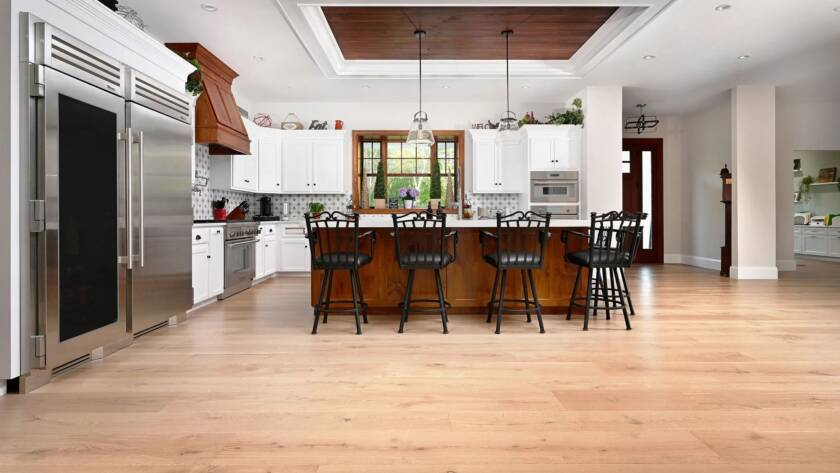
Custom kitchen cabinets are built to your exact measurements, your layout, and the way you actually use your kitchen, rather than fitted around standard box sizes. That difference sounds small on paper, but it changes everything about how the finished room feels. Odd corners get filled instead of wasted, appliances sit flush instead of leaving gaps, and every drawer and shelf can be designed around the way you cook. The trade off is a higher price and a longer timeline, so it helps to understand exactly what you are paying for before you commit.
This guide walks through what custom construction really means, how it compares to other options, which details make the biggest difference, and how to plan a project that delivers real value for the money.
What Custom Actually Means
Custom cabinetry is built to order, piece by piece, based on precise measurements of your room. Every dimension, from box height to filler width, is made for your walls rather than adjusted to fit them. This allows a builder to solve problems that standard sizing cannot, such as an oddly shaped wall, a low ceiling, a narrow gap beside an appliance, or a design that wraps around a support column.
Custom work also opens up material and finish choices that go beyond a standard catalog. You can select specific wood species, unusual door profiles, built in appliance panels, and storage features designed around your habits, such as a tall spice pull near the stove or a charging drawer for small electronics.
Custom vs Semi Custom vs Stock
It helps to see where custom fits among the other options.
Stock cabinetry comes in standard sizes and a limited set of finishes. It is the fastest and least expensive route, and it works well when your room matches typical dimensions. Semi custom cabinetry starts from standard boxes but allows changes to size, finish, and features, giving you more flexibility without the full cost of custom work. This middle ground, often called semi custom cabinetry, suits many kitchen remodel projects that need a few adjustments but not a completely bespoke design.
Fully custom cabinetry is built entirely to your specifications. It costs the most and takes the longest to produce, but it is the only option that can solve every awkward angle and unusual appliance size perfectly. If your kitchen has standard proportions, semi custom may deliver ninety percent of the benefit at a lower price. If your space is unusual, custom work often pays for itself in how well the final layout functions.
Framed or Frameless Construction
Custom orders can be built with either framed or frameless construction, and the choice affects both the look and the storage capacity of the room.
Framed construction adds a solid wood frame to the front of each box, which is the traditional American approach. It works well with inset or overlay doors and suits classic, transitional, and traditional kitchens.
Frameless construction, sometimes called European style, skips the front frame so doors attach directly to the box sides. This creates a wider opening, a bit more interior storage, and a clean, modern look. Because frameless construction relies on precise box dimensions rather than a forgiving frame, it pairs especially well with custom sizing, where every measurement is already tailored to your room. Learn more about how this approach compares to traditional methods in this guide to European style cabinetry.
Materials Worth Paying For
Since you are already investing in a made to order product, it makes sense to choose materials that will last. Plywood boxes resist moisture and hold hardware securely, and they are a common choice for high quality custom work. Solid wood doors and face frames offer richness and can be refinished over time, though they respond to humidity and need proper sealing. MDF provides an extremely smooth surface for painted finishes and resists warping, making it a strong choice for solid color doors.
Look closely at the small details that separate custom work from budget lines: full plywood backs, solid wood corner blocks, dovetail drawer boxes, and soft close hinges and glides throughout. For a deeper look at how these choices affect longevity, read about choosing the best material and the value of durable and sustainable materials.
Designing a Layout Around Your Habits
The biggest advantage of custom work is the ability to design storage around how you actually cook. Before you meet with a designer, spend time noticing your daily patterns. Where do dishes pile up? Which pots do you reach for most? Do you need a landing zone near the stove, a baking station with a pull out slab for rolling dough, or a hidden charging drawer for tablets and phones?
A custom layout can also solve structural challenges that stock sizing cannot. Columns, sloped ceilings, and irregular walls can all be worked into the design rather than avoided. This flexibility is especially useful in older homes, where few walls are perfectly square. For general layout principles that still apply to custom work, see this guide to choosing a layout by kitchen shape and these ideas for a well planned kitchen island.
Storage Features Worth Requesting
Because every box is made to order, you can request storage features that would be difficult or impossible to add to stock units. Pull out spice racks sized to your exact door width, appliance garages that hide small appliances behind a tambour door, deep drawers built specifically for cast iron cookware, and tall pull out pantries with full extension shelving are all common custom requests.
For more storage inspiration, browse these ideas for maximizing storage in a small kitchen and this list of cabinet accessories that can be built directly into a custom design rather than added afterward.
Style and Finish Options
Because you are not limited to a catalog, custom cabinetry opens the door to a wide range of door styles, from simple shaker profiles to intricate raised panels, flat slab doors, and beadboard details. Paint colors can often be matched to a specific sample, and stained finishes can be adjusted to highlight or minimize the natural grain of the wood.
Two tone kitchens, where the island or lower units differ from the surrounding perimeter, are especially popular in custom work because the designer can plan the color break precisely around the layout. Learn more about this approach in this guide to two tone kitchens. If a bright, minimal look appeals to you, flat panel doors are worth exploring, and this article on flat panel cabinets shows how they suit contemporary homes.
Coordinating With Countertops
A custom kitchen deserves a countertop that matches the same level of planning. Bring door and finish samples with you when selecting a countertop, and view them together in your own kitchen lighting. Quartz offers a consistent, low maintenance surface, while natural stone provides unmatched depth and character but needs regular sealing and gentle care. For guidance on making a lasting pairing, read this guide to matching countertops with your cabinetry, and if your remodel includes new surfaces, see this overview of replacing cabinetry and countertops together.
Hardware and Small Details
Custom cabinetry is often defined by its details as much as its construction. Soft close hinges and full extension, soft close drawer glides are standard expectations at this level, and this article explains why soft close hinges are worth the investment. Decorative hardware, such as pulls and knobs, should be chosen to match the scale and style of the doors. Compare your options in this guide to pulls versus knobs and browse modern hardware finishes to complete the design.
Planning Your Timeline and Budget
A full kitchen remodel built around custom cabinetry takes longer than a stock or semi custom project, since every piece is designed, built, and finished specifically for your home. Expect a longer lead time for production, and build that into your renovation schedule so you are not left without a functioning kitchen for weeks longer than planned.
Because custom work carries a higher price, set a clear budget from the start and ask for an itemized quote that separates the boxes, doors, drawer boxes, hardware, delivery, and installation. Decide where the investment matters most, typically construction quality, hinges, and drawer glides, and where you can save, such as decorative trim that can be added later. These budget kitchen makeover tips and this guide to remodeling without compromising on style can help you plan even a high end project wisely.
Common Mistakes to Avoid
-
Choosing custom work for a standard shaped room where semi custom would deliver similar results for less money.
-
Skipping precise measurements before production begins.
-
Underestimating lead times and scheduling installation too soon.
-
Forgetting to plan appliance clearances and ventilation during design.
-
Overlooking hardware and hinge quality after investing heavily in the boxes and doors.
-
Ignoring the 5 mistakes to avoid when designing your kitchen, which apply just as much to custom projects as to stock ones.
Working With a Design Team
Because a custom order cannot easily be returned or resized once production begins, working with an experienced design team matters more than ever. Look for a team that measures the room in person, asks detailed questions about how you use the kitchen, and shows you real samples of materials and finishes rather than only photos. A strong design partner will also flag potential problems early, such as appliance clearances or structural obstacles, before production starts.
Caring for Your Investment
Custom cabinetry deserves the same ongoing care as any other kitchen investment. Wipe spills quickly, especially near the sink and stove, and use gentle cleaners that will not damage the finish. Check hinges and drawer glides periodically and tighten any loose hardware. Since custom pieces are harder to replace than stock parts, preventing water damage is especially important, and this guide to preventing water damage offers practical steps. For a full routine, see this daily and deep care checklist.
Final Thoughts
Custom kitchen cabinets offer a level of precision, storage, and design freedom that stock and semi custom options cannot fully match. They make the most sense when your room has unusual dimensions, when you have specific storage needs, or when you want complete control over materials and finishes. Plan carefully, choose construction and hardware that match the investment, and work with a design team that understands both your space and your daily habits. Done well, a custom kitchen remodel delivers a room that fits your life exactly and holds its value for decades.
Frequently Asked Questions
Q: How much more expensive is custom work compared to semi custom?
A: Custom cabinetry generally costs more because every piece is made to order rather than adjusted from standard sizes. The difference varies by project complexity, materials, and finish. Semi custom often delivers similar quality at a lower price for standard shaped rooms.
Q: How long does a custom order typically take to produce?
A: Production time depends on the builder and the complexity of the design, but custom orders generally take longer than stock or semi custom cabinetry. Plan your renovation schedule around this lead time to avoid gaps in your kitchen's usability.
Q: Is frameless construction only available with custom orders?
A: No, frameless construction is available in stock, semi custom, and custom lines. However, custom sizing pairs especially well with frameless boxes because every dimension is tailored precisely, which maximizes the storage benefit frameless construction offers.
Q: Can custom cabinetry fix an awkward kitchen layout?
A: Yes, this is one of its biggest advantages. Custom construction can work around columns, sloped ceilings, and irregular walls, filling odd corners and gaps that standard sizing cannot address as effectively during a kitchen remodel.
Q: What should I prioritize in a custom cabinetry budget?
A: Prioritize box construction, hinges, and drawer glides, since these carry the daily workload. Decorative hardware and trim can often be upgraded later at a lower cost, which helps you stay within budget without sacrificing long term durability.

 English
 Arabic
 French
 Spanish
 Portuguese
 Deutsch
 Turkish
 Dutch
Dutch
 Italiano
 Russian
 Romaian
 Portuguese (Brazil)
 Bengali