


How to Use Antiseptic for Cats Safely and Avoid Toxic Products
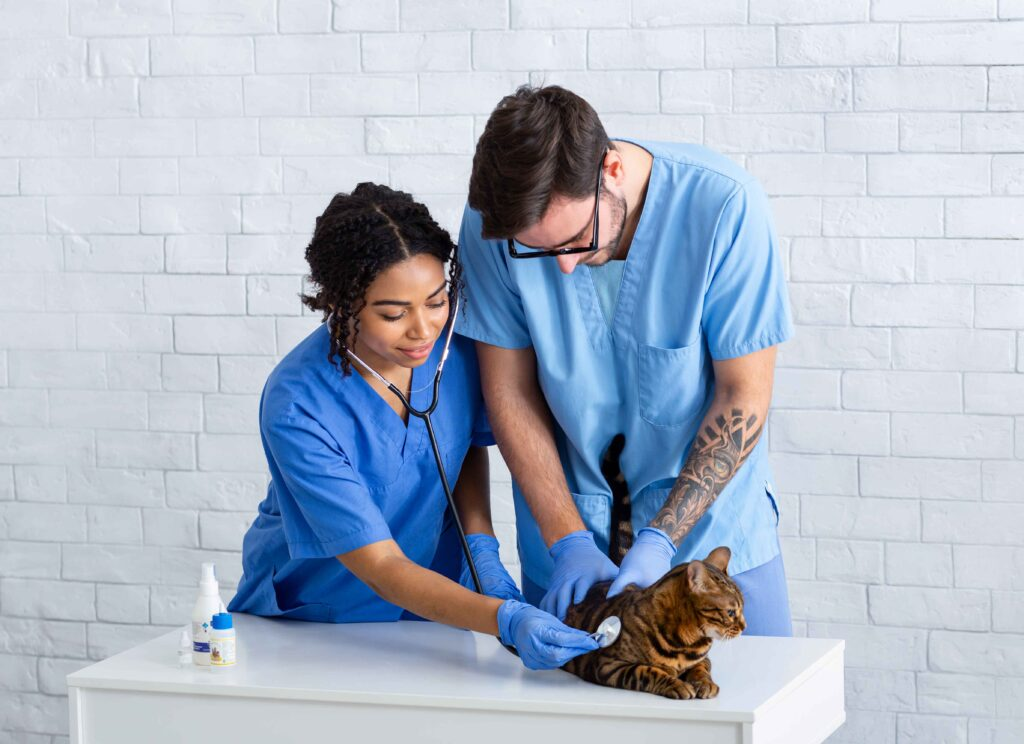
When a cat comes home with a wound, scratch or bite injury, the immediate instinct most owners have is to clean it with whatever antiseptic is available in the medicine cabinet. That instinct toward prompt wound care is the right one. The problem is that the specific product chosen matters enormously when the patient is a cat, because feline physiology processes many common antiseptic ingredients very differently from the way humans or dogs do, and several products considered safe for general household use can cause serious toxicity in cats. Choosing the right antiseptic for cats is not a matter of preference or convenience. It is a genuine medical decision with real consequences for your cat's safety and recovery. This guide explains which products are genuinely safe, which must be avoided entirely, how to apply wound care correctly and when professional veterinary attention is necessary regardless of which products you have available at home.
Why Cats React So Differently to Common Antiseptics
The Metabolic Reason Behind Feline Chemical Sensitivity
Cats lack a liver enzyme called glucuronyl transferase that is responsible for processing and eliminating a wide class of chemical compounds. This metabolic difference is not a minor variation. It means that substances other species clear efficiently accumulate in a cat's system to toxic levels. The cat's liver simply cannot conjugate and excrete these compounds at a safe rate, so they build up and cause harm even when exposure occurs through skin contact rather than ingestion.
This biological reality explains why a substance that is safe to apply to a human wound, a dog wound or even a horse wound may be genuinely toxic to a cat exposed to the same compound through the same route. The chemical properties of the substance do not change. What changes is the metabolic capacity of the body receiving it, and the cat's capacity is significantly more limited than most other species in this regard.
Understanding this is what makes choosing a specifically pet-safe antiseptic so important for cat wound care, rather than assuming that anything gentle or natural on a human is safe on a cat.
How Toxicity Occurs Through Wound Exposure
The damaged skin of an open wound has reduced barrier function compared to intact skin, which means absorption of topically applied substances is faster and more complete through a wound than through unbroken skin. A product that might cause minimal irritation applied to intact cat skin can be absorbed at clinically significant levels through a wound, reaching internal concentrations sufficient to cause systemic toxicity.
This is why the rule about avoiding certain products on cats applies even more strictly to wound care than to general skin exposure. The wound that makes antiseptic treatment necessary is simultaneously the feature that makes unsafe antiseptic choices more dangerous than they would otherwise be.
Products That Are Safe for Cat Wounds
Diluted Chlorhexidine Solution
Chlorhexidine is the antiseptic recommended by veterinary professionals for cat wound care more consistently than any other option. It is a broad spectrum antimicrobial agent effective against bacteria, fungi and a range of other pathogens, and it achieves this without the tissue toxicity associated with many other antiseptic agents when used at the correct concentration.
The most important point about chlorhexidine as an antiseptic for cats is that it must be properly diluted before application to wounds. The concentrated solution available in veterinary supply stores is too strong for direct wound application. The working concentration appropriate for wound irrigation is 0.05 percent, which is a significant dilution from the concentrate. Many pet supply retailers stock pre-diluted chlorhexidine wound rinses specifically formulated for this use, which eliminates the need to calculate and measure dilutions at home.
Chlorhexidine is available in rinse form for flushing wounds and in gel form for surface application. The rinse format is most effective for cleaning inside wounds and removing debris and bacteria from wound cavities. The gel format is more appropriate for surface application to abrasions and minor lacerations where ongoing surface antimicrobial protection is the goal.
Povidone Iodine at the Correct Concentration
Povidone iodine is another option that can be used safely on cat wounds when diluted to the appropriate concentration. In its undiluted commercial form it is too concentrated for wound application and causes tissue irritation that slows healing. Diluted to the appearance of weak tea in clean water, it is an effective surface antiseptic for the initial cleaning of superficial wounds.
Povidone iodine is best suited for cleaning around the wound margins rather than flushing into deep puncture wounds, and it should not be used for extended periods. One to two applications during initial wound management is appropriate before transitioning to simple saline irrigation for ongoing maintenance.
Sterile Saline
Sterile saline is technically not an antiseptic but it earns a central place in cat wound care because it is universally safe, causes zero tissue irritation and is highly effective for removing debris, bacteria and contamination from wounds through mechanical flushing. For wounds that are relatively clean with minimal contamination, thorough irrigation with sterile saline may be sufficient as an initial response while veterinary evaluation is arranged.
Commercial sterile saline in single use containers is the preferred form because the sterility of each application is guaranteed. A home preparation of salt dissolved in boiled water can serve as a substitute when commercial sterile saline is unavailable, though the commercial product is preferable when accessible.
Products That Must Never Be Used on Cats
Hydrogen Peroxide
Hydrogen peroxide is one of the most widely misused wound care products in households with cats. The visible bubbling reaction it produces when applied to a wound is not a sign of effective cleaning. It is the breakdown of healthy tissue cells, including the fibroblasts responsible for wound healing, alongside the bacteria being targeted. Repeated application of hydrogen peroxide to a wound delays healing, damages healthy tissue and can worsen the injury rather than supporting recovery.
No evidence supports its use over safer alternatives for cat wounds treatment and every evidence of harm to healing tissue argues against it. Replace it with chlorhexidine or sterile saline in any wound care kit intended for use on cats.
Products Containing Phenols
Phenol based disinfectants are extremely toxic to cats and should never come into contact with a cat's skin, fur or any wound. Products including certain household disinfectants and cleaning sprays contain phenolic compounds that cats cannot metabolize. Even brief skin contact can cause chemical burns and absorption through an open wound can lead to liver damage, seizures and death. This includes Dettol, Lysol and similar household disinfectant products.
If a cat is accidentally exposed to a phenol based product through wound care or any other route, contact an emergency veterinary facility immediately. Our guide on understanding cat toxicity symptoms outlines the signs of chemical toxicity in cats so you can recognize a reaction quickly and respond with appropriate urgency.
Isopropyl Alcohol
Rubbing alcohol causes pain on application to open wounds in any species. In cats the additional concern is systemic absorption through wound tissue, which can cause central nervous system depression, low blood pressure and hypoglycemia. It offers no benefit over chlorhexidine or saline for wound cleaning and carries meaningful risk. It should not be used as an antiseptic for cats regardless of the wound type.
Essential Oils Including Tea Tree Oil
Tea tree oil has gained significant commercial popularity as a natural antiseptic and appears in many wound care, grooming and cleaning products. It is significantly toxic to cats even in small amounts, causing neurological effects including incoordination, tremors, muscle weakness and in severe cases paralysis and collapse. Other essential oils including eucalyptus, clove, lavender and peppermint carry similar risks.
Any product containing essential oils in any concentration must be kept completely away from cat wound care regardless of how mild or natural the formulation is marketed to be. If a cat has been exposed to tea tree oil or other essential oils through any route, contact North MS Pet Emergency immediately rather than waiting to observe whether symptoms develop. The consequences of essential oil toxicity in cats can deteriorate rapidly.
The table below provides a quick reference for safe and unsafe antiseptic products for cats.
|
Product |
Safety for Cats |
Notes |
|
Diluted chlorhexidine 0.05% |
Safe |
Most recommended option for cat wounds treatment |
|
Povidone iodine (diluted to pale tea color) |
Safe when diluted correctly |
Short term use only, not for deep punctures |
|
Sterile saline |
Safe |
Excellent for flushing and irrigation |
|
Hydrogen peroxide |
Unsafe |
Damages healing tissue, delays recovery |
|
Phenol based disinfectants |
Severely toxic |
Never use near cats under any circumstances |
|
Isopropyl alcohol |
Unsafe |
Painful and systemically absorbed through wounds |
|
Tea tree oil |
Severely toxic |
Causes neurological toxicity even in small amounts |
|
Other essential oils |
Unsafe to severely toxic |
Avoid all essential oil containing products entirely |
How to Clean a Cat Wound Correctly
Assessing the Wound Before Treating It
Before applying any product to a cat wound, assess what you are dealing with. The size, depth and location of the wound determine whether home care is appropriate or whether professional veterinary evaluation should take priority over home treatment. Puncture wounds particularly from animal bites, wounds near the eyes or face, wounds that are actively bleeding and wounds that appear deep or involve visible tissue beneath the skin surface all warrant veterinary evaluation before or instead of home wound care.
For wounds that are clearly superficial, not actively bleeding and not in a sensitive location, gentle home cleaning followed by monitoring is a reasonable first response while a veterinary appointment is arranged.
Step by Step Application
Begin by having your chosen safe antiseptic for cats prepared and accessible before approaching the cat. A cat in pain or distress may scratch or bite reflexively even with people they know well. Having someone assist you by gently restraining the cat while you manage the wound is helpful. If an Elizabethan collar is available, using it during wound care prevents the cat from licking the area and introducing additional bacterial contamination.
Gently clip the fur around the wound if scissors are available and the cat is sufficiently calm to allow it. Parting the fur around a wound without clipping significantly reduces the quality of cleaning because fur wicks contamination back into the wound surface repeatedly. Use a syringe without a needle to direct a gentle stream of diluted chlorhexidine or sterile saline into the wound, flushing from the inside out where possible. Pat dry gently with clean gauze without rubbing.
Apply a thin layer of chlorhexidine gel to the wound surface if available. Do not bandage minor superficial wounds tightly as trapped moisture promotes bacterial growth. Monitor the wound daily for signs of infection including increasing redness, swelling, warmth, discharge and any behavioral changes suggesting increasing pain.
Our detailed guide on how to properly clean a cat wound and prevent infection covers the full wound care process with additional guidance on infection recognition and prevention.
When Home Wound Care Is Not Enough
Wounds That Always Need Veterinary Assessment
Certain wound types consistently exceed what home care can safely manage and require professional evaluation regardless of how adequate your wound care supplies are. Bite wounds from other animals, even small ones, are among the most important of these. The narrow puncture entry of a cat bite seals over rapidly at the skin surface while bacteria introduced by the biting animal multiply in the tissue beneath. Abscesses developing from inadequately treated bite wounds can cause serious illness requiring surgical drainage and antibiotic treatment.
Deep lacerations requiring suturing, wounds that do not stop bleeding with gentle pressure, wounds involving the eyes or face, wounds with visible tissue structures exposed and any wound that is causing significant behavioral change indicating severe pain all require veterinary intervention rather than home management.
The following bullet points outline the signs that a wound is developing into a more serious problem requiring veterinary care:
-
Increasing rather than decreasing redness around the wound edges over 24 to 48 hours
-
Swelling that is growing rather than stable or reducing
-
Discharge that becomes cloudy, discolored or develops an odor
-
Wound that does not appear to be closing and improving over several days
-
Behavioral changes including reduced appetite, lethargy or increased hiding behavior
If any of these signs develop after initial wound care at home, schedule a veterinary appointment the same day rather than waiting to see if the situation improves. Skin infections in cats can escalate quickly and may require prescription antibiotics or surgical treatment. Our article on recognizing and treating pet skin infections provides detailed guidance on how these infections present and when they require professional management.
Conclusion
Choosing the right antiseptic for cats requires understanding that feline metabolism makes many common wound care products genuinely dangerous for this species. Diluted chlorhexidine and appropriately diluted povidone iodine are safe and effective. Hydrogen peroxide, phenol based disinfectants, alcohol and any product containing essential oils must never be used on cats regardless of their reputation as gentle or natural products.
When in doubt about the severity of a wound or whether home care is appropriate, seeking veterinary guidance is always the correct decision. At North MS Pet Emergency, we provide after hours and weekend emergency care for cats across North Mississippi including Tupelo and Starkville as well as Northwest Alabama and Southwest Tennessee. If your cat has sustained a wound or shows signs of toxicity from an antiseptic product, contact us immediately and our team will be ready to help.
FAQs
Q: What is the safest antiseptic for cats available for home wound care?
A: Diluted chlorhexidine solution at 0.05 percent concentration is the most consistently recommended safe antiseptic for cats by veterinary professionals. Pre-diluted formulations designed for veterinary wound care are widely available and eliminate the risk of using the concentrate at too high a concentration.
Q: Can I use hydrogen peroxide for cat wounds treatment at home?
A: No. Hydrogen peroxide damages the healthy tissue cells needed for wound healing and delays recovery rather than supporting it. Replace it with sterile saline or properly diluted chlorhexidine, both of which clean wounds effectively without causing the tissue damage that hydrogen peroxide produces.
Q: Why is tea tree oil dangerous as an antiseptic for cats even in small amounts?
A: Cats cannot metabolize the compounds in tea tree oil effectively and even small amounts cause neurological toxicity including incoordination, muscle weakness, tremors and in severe cases collapse. Many products marketed as natural antiseptics contain tea tree oil and must be completely avoided for any use on cats.
Q: When does cat wounds treatment at home need to be replaced by a vet visit?
A: Seek veterinary care for any bite wound, wound with bleeding not controlled within ten minutes, wound near the eyes or face, wound with visible deep tissue, wounds showing signs of developing infection including increasing redness, swelling, discharge or odor, and any wound causing significant behavioral changes indicating severe pain.
Q: How do I recognize antiseptic toxicity in my cat after applying a product to a wound?
A: Signs of toxic reaction include drooling, vomiting, incoordination, tremors, weakness, collapse and behavioral changes developing within hours of application. If any of these signs appear after applying any product to your cat's wound, contact an emergency veterinary facility immediately and describe exactly what product was used.

 English
 Arabic
 French
 Spanish
 Portuguese
 Deutsch
 Turkish
 Italiano
 Russian
 Romaian
 Portuguese (Brazil)
 Greek
Greek
 Bengali