


SPC Laminate Flooring for Stylish and Durable Interiors
Modern flooring needs to do more than provide a finished surface underfoot. Homeowners often want flooring that looks attractive, handles everyday traffic, requires manageable maintenance, and performs well in different areas of the home. Moisture resistance has also become an important consideration, especially for kitchens, bathrooms, basements, entryways, and other areas where spills or humidity may occur.
The term SPC laminate is sometimes used when people are searching for rigid flooring with a laminate-style appearance. Technically, SPC is a type of rigid-core vinyl flooring rather than traditional laminate. Understanding this distinction can help homeowners compare products more accurately and choose flooring based on construction and performance rather than terminology alone.
SPC stands for Stone Plastic Composite. Its rigid core combines materials such as limestone powder, polyvinyl chloride, and stabilizers to create a dense and stable flooring structure. Parma Floors describes its SPC products as waterproof and suitable for areas such as kitchens, bathrooms, laundry rooms, and basements.
This guide explains how SPC flooring works, what makes it suitable for modern interiors, where it can be used, and what homeowners should consider before installation.
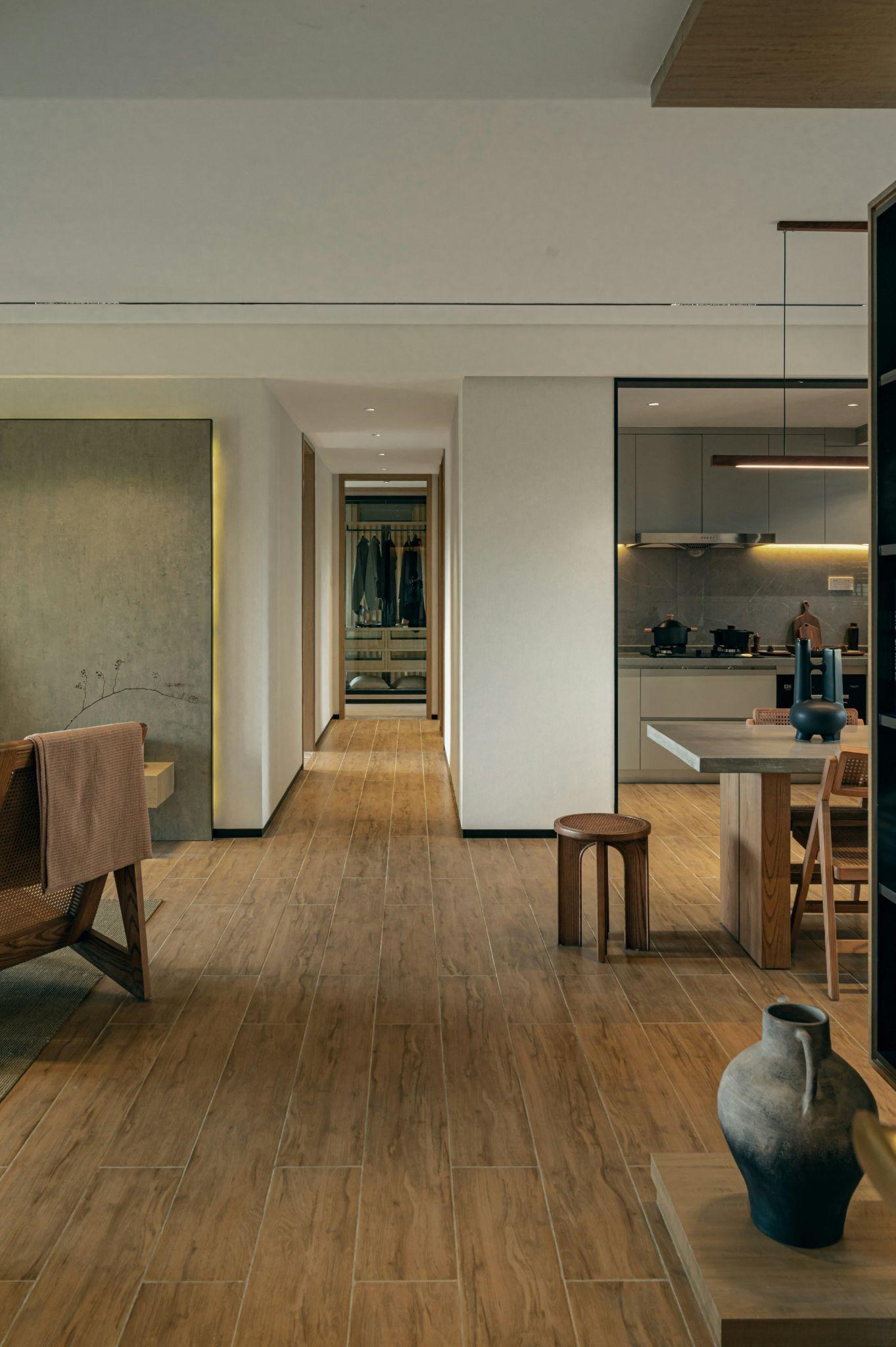
What Is SPC Flooring?
SPC flooring is a rigid-core vinyl flooring product. The core is made using a combination of limestone powder, PVC, and stabilizers. This gives the planks a dense structure that differs from the wood-based core found in traditional laminate flooring.
A typical SPC plank contains several layers. Parma Floors describes its construction as including a ceramic bead finish, wear layer, decorative vinyl print layer, SPC core, and base layer. Each layer has a specific function within the finished plank.
The decorative layer creates the visible design. It can reproduce the appearance of natural wood, stone, or other materials. The wear layer helps protect the design from everyday scratches and stains. The rigid core provides stability, while the base layer can contribute cushioning and sound insulation.
This layered construction allows SPC flooring to combine visual flexibility with practical performance.
SPC and Traditional Laminate Are Different
Although SPC laminate flooring is sometimes used as a search term, SPC and laminate are not the same type of flooring.
Traditional laminate flooring generally uses a wood-based core, with a decorative layer and protective surface. SPC uses a rigid composite core that is designed to resist moisture.
This distinction becomes particularly important when selecting flooring for areas where water exposure is likely.
Parma Floors' laminate installation guidance states that its laminate product is not suitable for damp rooms such as bathrooms or rooms that could potentially flood. The same guide emphasizes that moisture problems need to be resolved before installation.
SPC has different moisture characteristics. Parma Floors states that its SPC flooring has a waterproof core and is designed for moisture-prone areas.
Therefore, homeowners should look at the actual construction and manufacturer's specifications rather than assuming that SPC and laminate will perform identically.
Why Waterproof Performance Matters
Water can be one of the biggest concerns when choosing flooring for a home. Kitchens may experience spills from sinks and appliances. Bathrooms have regular water exposure. Basements can experience humidity or moisture from the surrounding environment.
A waterproof core can help protect the flooring material from absorbing water. This does not mean that leaks or standing water should be ignored. Any source of moisture should be addressed promptly.
Parma Floors states that its SPC flooring is 100% waterproof under the terms of its warranty. The company also recommends cleaning spills promptly to reduce the possibility of mold or mildew growth.
This combination of waterproof construction and practical maintenance makes SPC a flooring category worth considering for moisture-prone areas.
The Main Layers of SPC Flooring
Understanding the layers can make it easier to evaluate different products.
Protective Finish
The top finish provides an additional protective surface. Parma Floors describes a ceramic bead finish with UV coating that helps protect against staining and discoloration caused by sunlight.
Wear Layer
The wear layer is a transparent protective layer located below the finish. It is designed to provide resistance to everyday scratches and stains.
The required level of wear protection depends on the amount of traffic expected in the room.
Decorative Layer
This layer provides the visible appearance of the plank. High-definition printing can reproduce the look of natural wood, stone, and other materials.
The decorative layer gives homeowners flexibility when coordinating flooring with cabinets, walls, furniture, and other interior elements.
SPC Core
The rigid SPC core is the main structural component. It combines limestone powder, PVC, and stabilizers to create a dense and stable base.
The core is also responsible for the waterproof characteristics associated with SPC flooring.
Base Layer
The base layer sits beneath the rigid core. Parma Floors describes its SPC base as IXPE EVA padding, which contributes cushioning and sound insulation.
Benefits of SPC Flooring for Modern Interiors
Modern homes often need flooring that can handle multiple demands at once. A kitchen may connect directly to a dining room and living area. An entryway may experience dirt and heavy foot traffic. A basement may have different moisture conditions from the rooms above.
SPC can address several of these requirements through its rigid construction, waterproof core, protective surface, and range of designs.
It can also support different interior styles. Wood-look SPC can provide warmth in a contemporary room, while stone-inspired patterns can complement minimalist spaces.
The goal is not simply to choose the most durable material. Flooring should also fit the function and appearance of the room.
Choose Wood-Look Designs for Warmth
Wood-look flooring remains popular because it can introduce warmth and texture into a room.
SPC products are available in a range of colors and patterns. Parma Floors notes that some SPC styles are designed to resemble hardwood, tile, and other flooring materials.
Light oak-inspired designs can work well with white cabinets and neutral walls. Medium brown designs can create a warmer atmosphere. Gray or muted finishes can complement contemporary furniture.
When selecting a wood-look product, pay attention to grain patterns and color variation. A highly varied pattern can create a more natural appearance, while a consistent pattern can produce a cleaner visual effect.
Consider Wide Planks
Plank dimensions can influence the appearance of a room.
Wider planks can reduce the number of visible seams and create a more continuous floor surface. They can work particularly well in open-plan spaces where the kitchen, dining area, and living room share a common visual environment.
Longer planks can also emphasize the length of a room.
However, plank dimensions should be considered alongside the room's size and furniture arrangement. Requesting samples can help you judge whether the proportions work in your specific space.
SPC Flooring for Kitchens
Kitchens require flooring that can deal with spills, food particles, regular cleaning, and frequent foot traffic.
SPC flooring for kitchens can be useful because of its waterproof core and durable surface construction. Parma Floors specifically identifies kitchens among the areas where its SPC flooring can be installed.
The visual variety is another advantage. Homeowners do not have to choose between moisture protection and a wood-inspired appearance.
Before installation, however, the subfloor should be checked carefully. Any plumbing leaks, moisture problems, or significant unevenness should be addressed first.
A waterproof floor should not be used to conceal an unresolved moisture problem underneath the flooring.
SPC Flooring for Bathrooms
Bathrooms present a different set of flooring requirements because water exposure can be more frequent.
A waterproof core can make SPC suitable for bathroom environments when the product and installation system are approved for that application.
Parma Floors states that its SPC products can be used in bathrooms as well as kitchens, laundry rooms, and basements.
When planning bathroom flooring, pay attention to the areas around tubs, showers, toilets, and sinks. Proper installation and moisture management remain important even when the flooring itself is waterproof.
Water should not be allowed to collect unnecessarily around the edges of the flooring.
SPC Flooring for Basements
Basements can experience humidity and moisture conditions that are less common in above-ground rooms.
This makes flooring selection particularly important. A wood-based flooring product may require specific environmental conditions, while SPC's waterproof rigid core can make it a practical option for suitable basement installations.
Parma Floors identifies basements as one of the applications for its SPC flooring.
However, homeowners should still inspect the concrete or other subfloor before installation. Existing moisture problems need to be resolved before flooring is placed.
The condition of the basement itself should be considered along with the flooring material.
SPC for High-Traffic Areas
Hallways, entryways, family rooms, and open-plan living spaces can experience substantial daily traffic.
A durable wear layer can help protect the flooring's appearance from normal activity. SPC's dense rigid core also provides stability under everyday use.
Parma Floors describes its SPC flooring as resistant to impacts, stains, scratches, and everyday wear.
However, no flooring is completely immune to damage. Furniture should be moved carefully, heavy objects should not be dragged across the surface, and routine cleaning should be part of the maintenance plan.
Consider Homes With Children and Pets
Children and pets can increase the amount of activity a floor experiences.
Food spills, water bowls, tracked-in dirt, toys, furniture movement, and pet claws can all affect the flooring surface.
SPC can be considered for these environments because its surface is designed to resist scratches and stains. Its waterproof core can also be useful when accidental spills occur.
Color selection matters as well. A floor with natural grain variation may make small amounts of everyday dirt less noticeable than a completely uniform surface.
The best choice should combine surface protection with a design that suits the household.
Maintenance and Cleaning
One of the practical advantages of SPC is its relatively straightforward maintenance routine.
Regular sweeping or vacuuming can remove dust, dirt, and grit before these particles are repeatedly walked across the floor.
Occasional mopping can help remove surface residue. Always use cleaning products that are suitable for the specific flooring and follow the manufacturer's recommendations.
Spills should be cleaned promptly. Waterproof construction provides protection against moisture, but routine cleaning remains important for hygiene and appearance.
Avoid abrasive cleaning equipment or harsh chemicals unless they are specifically approved for the product.
Installation Considerations
Proper installation is essential for flooring performance.
Before installation, inspect the subfloor and make sure it meets the product requirements. The surface should be stable and appropriately prepared.
SPC products may use click-lock installation systems. Parma Floors notes that many SPC floors can be placed over various subfloors or existing flooring, depending on the conditions.
However, homeowners should not assume that every installation surface is suitable. The manufacturer's instructions should always take priority.
If the subfloor needs substantial repair or leveling, professional installation may be appropriate.
Compare SPC With Engineered Hardwood
Engineered hardwood and SPC can both provide attractive flooring for modern interiors, but they serve different purposes.
Engineered hardwood has a real wood surface and a layered plywood core. Parma Floors explains that its engineered construction is designed to improve stability and reduce expansion and contraction caused by environmental changes.
SPC uses a synthetic rigid core and is designed for waterproof performance.
Homeowners who want the natural characteristics of real wood may prefer engineered hardwood in appropriate areas. Those prioritizing waterproof performance may want to consider SPC.
The choice should be based on the room's conditions and the desired characteristics of the finished floor.
You can explore the engineered hardwood flooring collection when comparing natural wood options.
Compare SPC With Laminate
Laminate and SPC can both reproduce wood patterns, but their core construction differs.
Laminate typically uses a wood-based core. This means moisture exposure needs to be considered carefully. Parma Floors' laminate installation guidance specifically excludes damp rooms and spaces that could potentially flood.
SPC has a waterproof composite core. This gives it an advantage in applications where moisture exposure is a major consideration.
If you want to compare wood-inspired flooring options, Parma Floors' laminate flooring collection provides another category to evaluate alongside SPC.
The choice should depend on moisture requirements, appearance, traffic, installation conditions, and budget.
Choosing Colors for Modern Interiors
Floor color can affect how the entire room feels.
Light colors can make a space appear brighter and more open. Medium tones can add warmth without creating too much visual contrast. Darker flooring can create a more dramatic appearance when paired with lighter walls and furniture.
Neutral flooring can also make future interior changes easier. If you expect to replace furniture or repaint walls, a versatile floor can provide more flexibility.
When choosing a color, consider natural daylight and artificial lighting. The same floor can appear different in morning sunlight, afternoon light, and evening illumination.
Look at Samples Before Buying
Online photographs are useful for narrowing down flooring choices, but physical samples provide a more accurate reference.
Place samples next to cabinets, countertops, walls, furniture, and trim. Look at them under the lighting conditions that exist in the room.
Pay attention to the amount of grain variation, undertones, texture, and plank dimensions.
Parma Floors provides sample options across its product collections. Individual SPC products such as Great Ocean SPC flooring list specifications such as plank size, thickness, and wear layer, which can help homeowners compare products more carefully.
Review the Warranty
A flooring warranty can provide useful information about expected performance and product limitations.
Parma Floors states that its SPC flooring carries a limited 25-year residential warranty and a limited 10-year commercial warranty for wear to the finish under specified usage and maintenance conditions. The warranty also states that the flooring is 100% waterproof.
Homeowners should read the complete warranty before installation. Pay attention to requirements concerning installation, maintenance, wear, and moisture.
Warranty information should be considered alongside the product specifications rather than used as the only basis for selecting flooring.
Is SPC Suitable for Commercial Interiors?
SPC can also be considered for certain commercial environments.
Offices, retail areas, hospitality spaces, and other interiors may experience frequent foot traffic and require flooring that is easy to maintain.
Parma Floors provides both residential and commercial warranty coverage for its SPC flooring, subject to the conditions stated in its warranty.
Commercial projects should be evaluated based on expected traffic, installation conditions, cleaning requirements, and applicable building standards.
The appropriate flooring should be selected according to the specific demands of the space rather than simply choosing a residential product for a commercial application.
Common Mistakes to Avoid
One common mistake is treating SPC as identical to laminate. Although both can have wood-inspired appearances, their core materials and moisture characteristics are different.
Another mistake is assuming that waterproof flooring eliminates the need for maintenance. Spills should still be cleaned promptly, and plumbing or subfloor moisture problems need to be addressed.
Choosing a product without examining physical samples can also lead to disappointment. Colors and textures can appear different under various lighting conditions.
Finally, overlooking installation requirements can affect performance. The subfloor should be properly prepared and the manufacturer's instructions should be followed.
How to Choose the Right SPC Flooring
Start by identifying the room where the flooring will be installed.
For kitchens, bathrooms, and basements, consider waterproof performance and moisture exposure. For living rooms and bedrooms, appearance and comfort may receive greater attention.
Next, review the construction. Look at the core, wear layer, finish, backing, plank dimensions, and installation method.
Then compare colors and textures using physical samples.
Finally, review the warranty and maintenance instructions. Make sure the product is suitable for the intended application and that the installation conditions meet the manufacturer's requirements.
Final Thoughts
SPC laminate is commonly used as a search term for rigid flooring that combines attractive laminate-style designs with practical performance. However, SPC is technically a rigid-core vinyl flooring category rather than traditional laminate.
Its dense composite core, waterproof construction, protective layers, and range of designs make SPC worth considering for many residential and commercial interiors.
It can be particularly useful in kitchens, bathrooms, basements, laundry rooms, entryways, and other areas where moisture or heavy daily activity may be a concern.
The right choice still depends on the specific room and installation conditions. Homeowners should compare product construction, wear protection, design, maintenance, installation requirements, and warranty coverage before making a decision.
Requesting samples and reviewing the manufacturer's documentation can make the selection process more straightforward. With careful planning, SPC can provide a practical flooring foundation while supporting a wide range of interior styles.
FAQs
Q: Is SPC the same as laminate flooring?
A: No. SPC is a rigid-core vinyl flooring product made with a stone and polymer composite core. Traditional laminate generally uses a wood-based core. Both can imitate natural materials, but their construction and moisture characteristics are different.
Q: Is SPC flooring waterproof?
A: SPC flooring can have a waterproof core. Parma Floors states that its SPC flooring is 100% waterproof under its warranty terms. Spills should still be cleaned promptly, and any underlying moisture or plumbing problems should be addressed before installation.
Q: Can SPC flooring be installed in kitchens?
A: Yes. SPC can be suitable for kitchens because of its waterproof core and durable surface construction. Parma Floors specifically identifies kitchens among suitable applications for its SPC products. Proper subfloor preparation and installation remain important for long-term performance.
Q: How do I maintain SPC flooring?
A: Regularly sweep or vacuum to remove dirt and grit, then clean the surface using products recommended for the flooring. Clean spills promptly and avoid abrasive equipment or unsuitable chemicals that could damage the protective finish.
Q: Can SPC flooring look like hardwood?
A: Yes. SPC flooring is available in many wood-inspired colors, grain patterns, textures, and plank sizes. The decorative layer can reproduce the visual character of natural wood while the rigid core provides different moisture and stability characteristics.

 English
 Arabic
 French
 Spanish
 Portuguese
 Deutsch
 Turkish
 Italiano
 Russian
 Romaian
 Portuguese (Brazil)
 Greek
Greek
 Bengali