


A Guide to Choosing Prefab Boat Docks for Your Waterfront
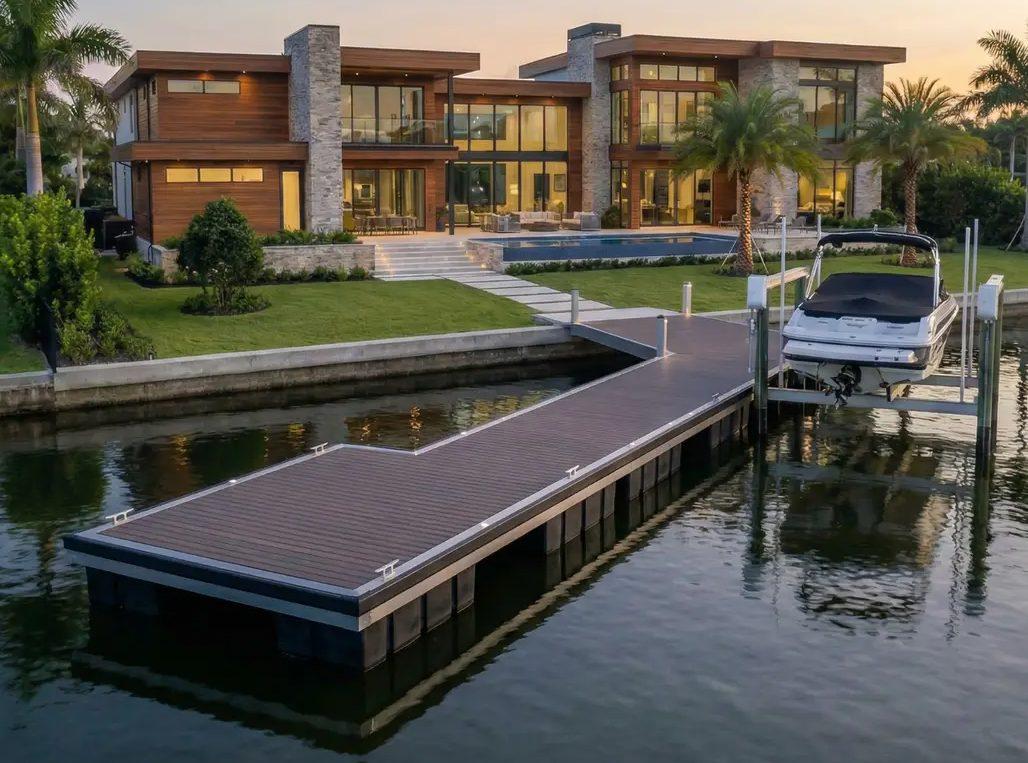
Choosing the right dock is an important decision for any waterfront property. A dock needs to provide reliable access to the water while also handling changing conditions, regular use, weather exposure, and the weight of boats and equipment. For homeowners looking for a practical alternative to fully site-built structures, Prefab Boat Docks can offer a combination of modular construction, customization, and straightforward installation.
However, not every waterfront has the same requirements. Water depth, current, tides, wave action, boat size, and whether the dock is seasonal or permanent can all influence the best design. Understanding these factors can help you choose a dock system that fits both your property and your intended use.
What Are Prefab Boat Docks?
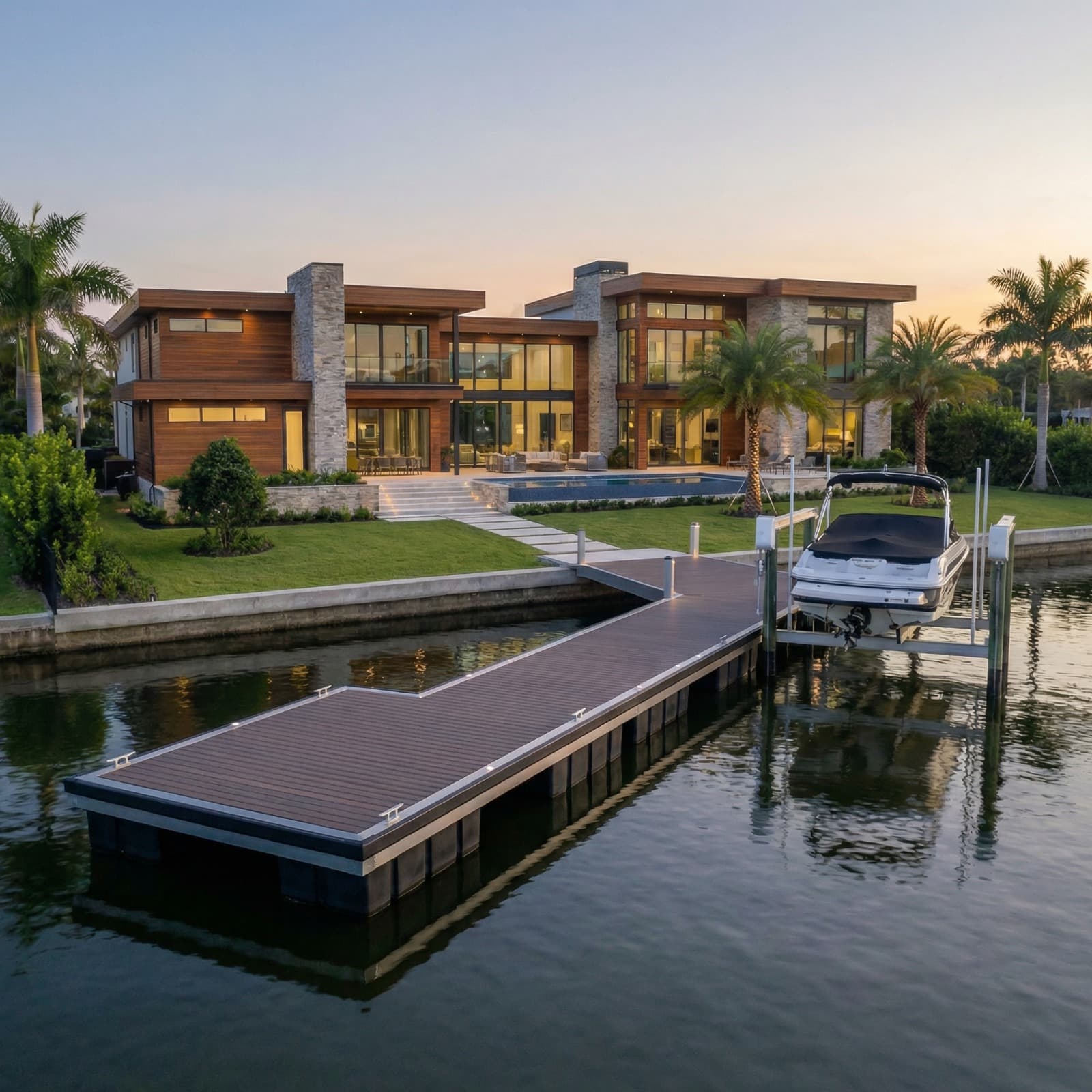
Prefab boat docks are dock systems manufactured in sections or components before being transported to the property for assembly. Instead of constructing the entire dock at the waterfront, much of the fabrication and engineering is completed in advance.
This approach can make installation more predictable and allows components to be designed around specific dimensions. Aluminum systems are particularly suited to prefabricated construction because the material is lightweight, durable, and resistant to corrosion.
When comparing Prefab Boat Docks, look beyond the appearance and consider the frame material, decking, flotation, anchoring method, load requirements, warranty, and installation process.
Consider Your Waterfront Conditions
The first step is understanding the environment where the dock will be installed.
Calm Lakes and Protected Waterfronts
A private lake with relatively calm water generally has fewer structural demands than an exposed coastal property. A single-frame floating dock may be suitable for homeowners who need a platform for swimming, fishing, boating, or relaxing.
For example, Express Docks' Single Frame residential system uses 6061-T6 aluminum and is designed for calm to moderate water conditions.
Rivers and Tidal Properties
Riverfront and tidal properties may experience changing water levels, current, or differences in elevation between the shoreline and dock. In these situations, a gangway can provide a safer and more convenient transition between land and water.
A floating dock combined with a properly designed gangway can accommodate changing conditions while maintaining access.
Saltwater and Exposed Bays
Saltwater, wave action, larger boats, and heavier loads can place additional demands on a dock structure. For exposed waterfronts, a reinforced design may be appropriate.
Express Docks offers a Double Truss residential system intended for rougher water, saltwater environments, larger boats, and higher loads. The company states that its residential systems use 6061-T6 aluminum and carry a 50-year aluminum-frame warranty.
Choose the Right Dock Configuration
Not all waterfront properties require the same type of dock. Three common configurations are floating single-frame, reinforced double-truss, and fixed docks.
Single-Frame Floating Docks
Single-frame docks are a practical option for calm to moderate water conditions. Their modular construction can also make them useful when flexibility or future changes are important.
A typical system may include an aluminum frame, composite decking, flotation components, and structural hardware. Express Docks lists WPC composite decking in six colors and uses palletized shipping for its residential systems.
Double-Truss Floating Docks
A double-truss system provides additional structural support compared with a single-frame design. This can be relevant where larger boats, heavier loads, wave action, or exposed conditions are expected.
The appropriate configuration should be determined according to the property's specific water conditions and intended use rather than simply choosing the heaviest option available.
Fixed Docks
Floating systems are not suitable for every property. Where water levels and depths remain relatively stable, a pile-supported fixed dock may be a practical alternative.
Fixed aluminum docks provide a permanent structure without relying on floating components. Local regulations, water depth, shoreline conditions, and permitting requirements should be evaluated before selecting this type of installation.
Pay Attention to Materials and Decking
Material selection affects a dock's durability, maintenance requirements, and overall performance.
6061-T6 aluminum is commonly used in marine applications because it offers a useful combination of strength and corrosion resistance. For waterfront applications, the quality of fasteners, joining components, flotation, and other structural hardware also matters.
Decking is another consideration. Composite WPC decking can provide a durable walking surface with relatively low maintenance. Express Docks offers six WPC decking colors—Teak, Walnut, Charcoal, Driftwood, Espresso, and Gray—with Trex decking available upon request.
Think About Installation and Transportation
One of the main advantages of prefabricated systems is that much of the construction can take place before the dock reaches the property.
For example, Express Docks describes a process in which the dock is engineered to the customer's specifications, assembled and quality-checked at the factory, then disassembled and palletized for freight delivery. Its residential systems are designed for assembly with basic hand tools.
Installation requirements can still vary based on dock size, anchoring, site conditions, and local regulations. Larger or more complex projects may require professional assistance.
Check Warranty, Engineering, and Support
A dock is a long-term investment, so warranty coverage and engineering support should be part of the comparison.
Ask manufacturers what the warranty covers, whether it applies to the structural frame and other components, and what installation conditions are required. It is also useful to determine whether the manufacturer provides drawings, engineering information, assembly instructions, and assistance with selecting an anchoring system.
Express Docks states that its residential aluminum-frame systems include a 50-year warranty and provides custom design and engineering before production.
Understand What Is Included
Before purchasing Prefab Boat Docks, review the complete quotation rather than comparing only the price per square foot.
Important questions include:
-
Is decking included?
-
Are flotation components included?
-
Is structural hardware included?
-
What anchoring system is required?
-
Is installation included?
-
Are freight costs included?
-
Will permits be the homeowner's responsibility?
-
What does the warranty cover?
A lower initial price may not represent the lower overall project cost if essential components or installation services are excluded.
Final Considerations
The best dock is not necessarily the largest or most heavily reinforced option. It is the system that matches the waterfront environment, expected loads, maintenance preferences, and intended use.
Prefab Boat Docks can simplify the process by moving much of the engineering and manufacturing away from the waterfront. By comparing materials, configurations, installation requirements, warranty coverage, and total project costs, homeowners can make a more informed decision about their waterfront access.
For homeowners exploring custom residential aluminum dock systems, Express Docks offers engineered options for lakes, rivers, tidal properties, and exposed waterfronts.
Frequently Asked Questions
Are prefab boat docks customizable?
Yes. Many prefabricated systems can be configured for different lengths, widths, layouts, gangways, and accessories. The available options depend on the manufacturer and waterfront conditions.
Are aluminum prefab docks suitable for saltwater?
Marine-grade aluminum can be suitable for saltwater applications because of its corrosion resistance. However, the complete dock system—including fasteners and other components—should be specified for the intended environment.
Do prefab boat docks require professional installation?
Not always. Some modular systems are designed for homeowner assembly, while larger or more complex installations may require professional help. Anchoring and site conditions can also affect installation requirements.
How do I choose between a floating and fixed dock?
Consider water-level changes, water depth, current, seasonal conditions, and local regulations. Floating docks can accommodate changing water levels, while fixed docks may work well where conditions remain relatively stable.
What should I ask before ordering a prefab dock?
Ask about structural materials, load capacity, dimensions, flotation, anchoring, decking, warranty, delivery, installation, engineering, and permitting. A detailed site assessment can also help determine the appropriate configuration.

 English
 Arabic
 French
 Spanish
 Portuguese
 Deutsch
 Turkish
 Dutch
Dutch
 Italiano
 Russian
 Romaian
 Portuguese (Brazil)
 Bengali