


When Does a Car Need ADAS Calibration After an Accident?
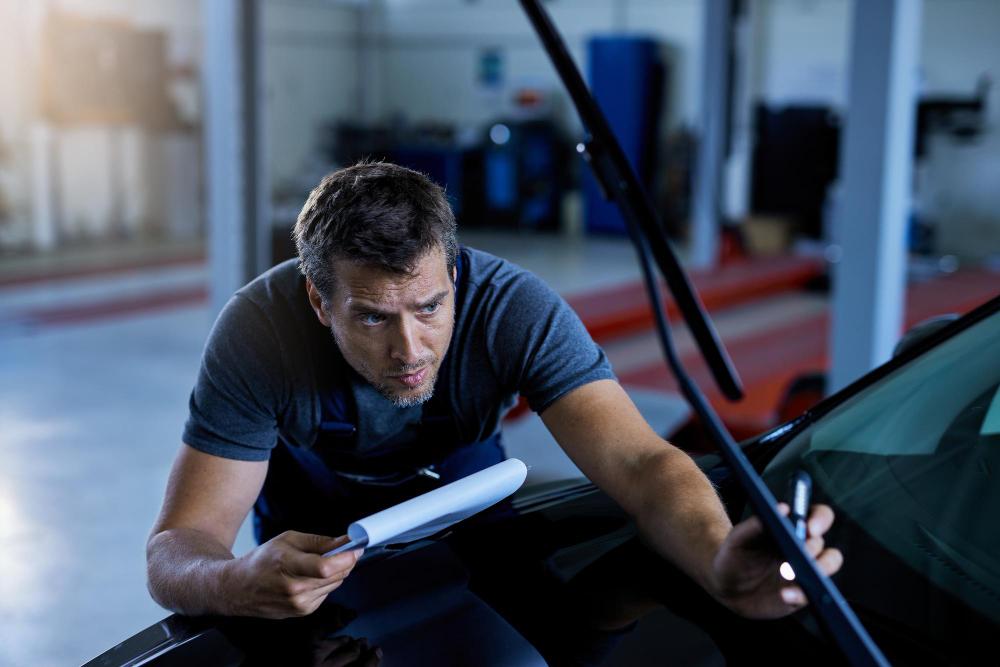
After a car accident, you may notice damage to the bumper, hood, lights, or windshield. But some parts that help your car's safety systems can be harder to see. Cameras and sensors can move or become damaged even when the outside of the car does not look badly affected.
These parts are part of Advanced Driver Assistance Systems, or ADAS. Depending on your vehicle, ADAS may include features such as lane departure warning, automatic emergency braking, adaptive cruise control, and blind-spot monitoring.
So when should you consider an ADAS recalibration service? It depends on your vehicle, the type of accident, and the repairs it needs. Knowing the common situations can help you ask better questions before you get your car back.
Does a Car Need ADAS Calibration After a Crash?
1. When a Camera or Sensor May Have Moved
Your car's cameras and sensors need to be positioned correctly to work as designed. A collision can shift a sensor or its mounting point, even if you cannot see the problem.
For example, a front-end impact may affect a radar sensor behind the bumper or grille. The sensor may still look fine, but its position could have changed.
After an accident, the repair team should check the related ADAS parts. If the vehicle manufacturer requires calibration, that step should be part of the repair process.
2. After Bumper or Front-End Repairs
Your bumper may look like a simple body part, but some vehicles have ADAS sensors behind or near it. Removing or replacing the bumper can involve work around these sensors.
If the sensor or its mounting area is disturbed, the system may need to be checked or calibrated.
This does not mean every bumper repair requires calibration. Your vehicle's make, model, equipment, and repair instructions determine what needs to be done.
That is why it helps to ask whether the bumper work could affect any ADAS components.
3. After a Windshield Replacement
Some vehicles have cameras mounted near the windshield. These cameras can support lane-warning and other driver-assistance features.
If your windshield is replaced after an accident, the camera may need to be checked. Depending on the vehicle, calibration may be required after the replacement.
You should mention any recent windshield work when discussing your collision repair. The glass may be replaced correctly, but the camera system may still need attention.
4. When a Sensor Is Replaced
A damaged ADAS sensor may need to be replaced after a crash. However, putting in a new sensor may not be the final step.
The vehicle may require calibration, programming, or a diagnostic check before the system is ready to use. The exact process depends on the manufacturer's instructions.
You should also ask whether the new part needs to be tested with other ADAS components. These systems often work together, so a single damaged part can affect multiple features.
5. After Alignment or Suspension Work
Some ADAS calibration procedures require the vehicle to be in a specific position. Changes to wheel alignment, suspension, or ride height can affect the conditions needed for certain procedures.
This can matter after a serious collision because several types of repair may happen at the same time.
If your vehicle needs structural, suspension, or alignment work, ask whether those repairs affect any ADAS calibration requirements.
6. When You See an ADAS Warning
Your dashboard may show a warning after an accident. You might see a message saying that a camera, radar sensor, lane system, or collision warning feature is unavailable.
Do not ignore the message. Have the system checked according to the vehicle manufacturer's instructions.
At the same time, no warning message does not always mean everything is fine. Calibration requirements depend on the vehicle and the repairs performed.
7. When the Manufacturer Requires Calibration
The vehicle manufacturer is the main source for determining when calibration is required. Different vehicles use different sensors, cameras, software, and mounting systems.
The manufacturer may require calibration after certain collisions, part replacements, windshield work, or other repairs.
Following those instructions matters because there is no single calibration process that works for every vehicle.
Conclusion
A collision can affect more than your car's body panels. Cameras, radar sensors, and their mounting points can also be affected by an accident or by repairs that follow it.
Your car may need ADAS calibration after a collision, bumper repair, windshield replacement, sensor replacement, or other work. However, calibration is not required after every accident. The right steps depend on your vehicle and the manufacturer's repair instructions.
Before you pick up your repaired car, ask whether the ADAS systems were checked and whether any required calibration was completed.
Prestige Bodyworks Auto Collision offers collision repair services, including ADAS system recalibration, for vehicles affected by accidents.

 Arabic
 French
 Spanish
 Portuguese
 Deutsch
 Turkish
 Dutch
Dutch
 Italiano
 Russian
 Romaian
 Portuguese (Brazil)
 Greek
Greek
 Bengali