


Best Linen Fabric for Tablecloths, Napkins, and Kitchen Textiles
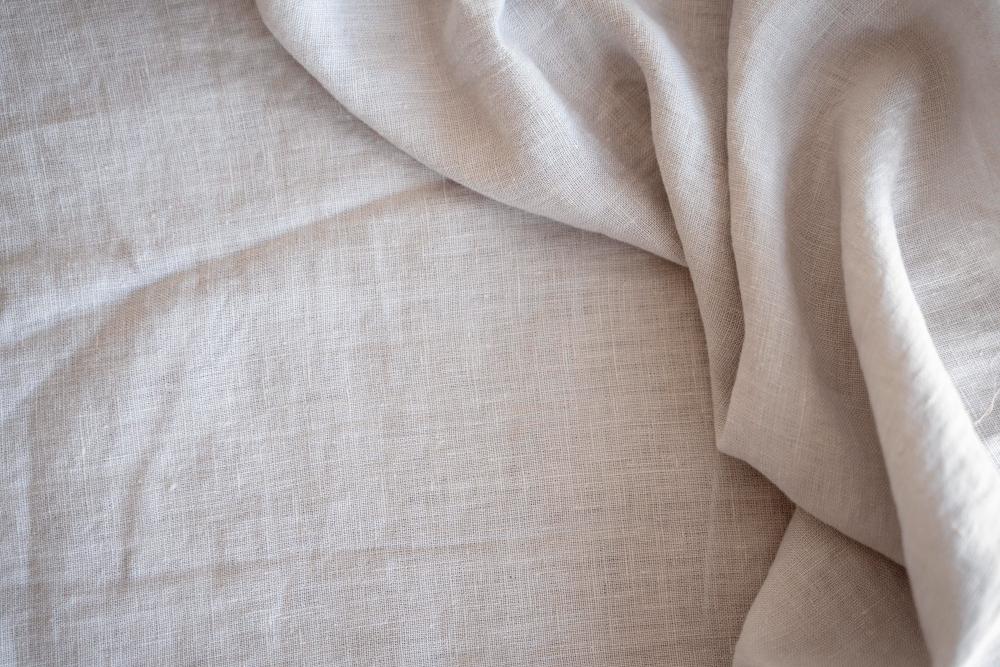
The best linen fabric for tablecloths, napkins, and kitchen textiles depends on use: plain weave linen works well for daily dining, damask weave suits formal table settings, and twill weave holds up best in high-traffic kitchens. Look for high thread count, OEKO-TEX or GOTS certification, and a supplier like Fabriclore Pvt Ltd that offers both wholesale fabric and retail access to verified linen material.
Linen has earned its place in home textiles for one simple reason: it works. It breathes, it lasts, and it looks good on a table whether you're hosting a dinner party or wiping down counters after breakfast. But not all linen fabric is the same. Quality grades, weave types, and thread counts vary widely, and picking the wrong one means napkins that fray after a few washes or a tablecloth that stains at the first spilled glass of wine.
This guide breaks down what separates premium linen material from average options, how different weaves perform for different kitchen tasks, and what to check before buying in bulk or for personal use. Fabriclore Pvt Ltd, a supplier known for both wholesale fabric and direct retail sourcing, works as a reference point throughout since sourcing quality often depends as much on the supplier as the fabric itself.
Why Linen Works So Well for Kitchen Textiles
Linen fiber comes from the flax plant, and its structure gives it a few properties that synthetic fabrics can't match.
-
It pulls moisture away fast. Linen absorbs up to 20% of its weight in moisture before it feels damp, which keeps kitchen towels and napkins dry between uses.
-
It resists bacteria naturally. Linen fabric has antimicrobial properties that make it a safer choice around food, and it rarely triggers allergic reactions.
-
It gets better with age. Every wash softens the fibers, so a linen tablecloth feels better in year three than it did in month one.
-
It's kinder to the environment. Flax needs less water and fewer pesticides than cotton, and linen material biodegrades fully at the end of its life.
These four qualities are why linen shows up in professional kitchens and high-end dining rooms alike. It performs under pressure and holds its shape over time.
How Do You Judge Linen Quality and Thread Count?
Quality grading separates premium linen from standard commercial stock, and thread count plays a direct role in that grading.
Higher thread count generally means a tighter weave, which translates to better durability and a softer hand feel. But thread count alone doesn't tell the full story. Fiber length matters too — long-staple flax fibers produce stronger, less pilled fabric than short-staple alternatives.
When comparing linen fabric for wholesale purchase or personal use, check for:
-
Certification: OEKO-TEX Standard 100 or GOTS certification confirms the fabric is free from harmful chemicals.
-
Fiber source: European flax (Belgian or French) is widely regarded as producing some of the strongest, most consistent linen material available.
-
Weight (GSM): Lighter linen (around 120-150 GSM) suits napkins, while heavier linen (200+ GSM) holds up better for tablecloths and towels.
A supplier that can verify sourcing standards — batch by batch — gives buyers more confidence than one that can't answer basic fiber-origin questions.
Which Linen Weave Should You Choose for Each Use?
Weave type changes how linen fabric performs, feels, and looks on a table.
Plain Weave for Everyday Tablecloths
Plain weave is the simplest and most common construction — one thread over, one thread under. It's durable, affordable, and ideal for casual dining or daily use where function matters more than formality.
Damask Weave for Formal Occasions
Damask weaving creates raised patterns directly in the fabric using contrasting textures rather than printed designs. This weave suits formal dinners, holiday tables, and upscale presentations where visual detail matters.
Twill Weave for High-Traffic Kitchens
Twill's diagonal rib pattern adds extra strength, making it a strong pick for kitchen towels and runners that see frequent washing and heavy use.
Jacquard for Decorative Pieces
Jacquard weaving allows intricate patterns woven directly into the fabric, making it a strong choice for decorative tablecloths and specialty napkins that double as a design statement.
Choose plain weave if daily durability matters more than appearance. Choose damask or jacquard if presentation matters more than resistance to daily wear.
How to Select Linen Fabric by Purpose
Tablecloths
Balance stain resistance with aesthetics. A tighter weave and mid-to-heavy weight resist spills better and drape more evenly across a table.
Napkins
Napkins need enough weight to absorb spills without feeling stiff. Mid-weight plain weave linen, around 150-180 GSM, tends to hit that balance.
Kitchen Towels and Runners
These get washed the most, so prioritize function over decoration. Twill weave linen, or linen-cotton blends, tend to survive frequent laundering better than pure lightweight linen.
Color and Design
Lighter shades suit bright, casual kitchens, while deeper tones and jacquard patterns work well in formal dining spaces. Match the fabric's texture and color to the room's existing palette rather than picking pieces in isolation.
How Do You Care for Linen So It Lasts?
Linen rewards proper care with decades of use.
-
Washing: Use cold or lukewarm water and a mild detergent. Avoid bleach, which weakens the fibers over time.
-
Drying: Air-dry when possible, or use low heat. High heat causes shrinkage and speeds up fiber breakdown.
-
Ironing: Iron while still slightly damp for the smoothest finish, using a medium-to-high heat setting.
-
Storage: Store folded in a dry, ventilated space. Avoid airtight plastic bags, which trap moisture and encourage mildew.
Skipping these steps is the most common reason linen fabric wears out faster than it should.
Why Sourcing Partnerships Matter for Premium Linen
Individual buyers and businesses both benefit from working with suppliers who can guarantee consistent quality at scale.
Fabriclore Pvt Ltd operates as both a wholesale fabric supplier and a retail-accessible store, giving buyers flexibility whether they need a single tablecloth or bulk linen material for a hospitality business. The company's approach reflects a broader shift in fabric sourcing — from simply finding fabric to managing full production accountability.
A few factors worth checking with any supplier:
-
Production capacity: Suppliers with distributed manufacturing networks can scale output for seasonal demand without compromising consistency.
-
Quality governance: On-site quality checks at the mill level catch defects before they reach a warehouse, which matters more than inspections done after the fact.
-
Supply chain transparency: ERP-backed tracking systems that log every production stage give buyers batch-level accountability, not just a finished product with no traceable history.
For businesses buying linen fabric for wholesale distribution, these factors often matter more than price per meter. A slightly higher cost from a supplier with verified quality control saves money long-term by reducing returns, complaints, and inconsistent batches.
Choosing the Right Linen Comes Down to Purpose and Sourcing
Quality linen textiles are a long-term investment, not a one-time purchase. Understanding the difference between weave types, checking thread count and certification, and following proper care practices all extend the life of tablecloths, napkins, and kitchen towels alike.
Sourcing matters just as much as the fabric itself. Whether buying a single set of napkins or ordering linen material for wholesale distribution, working with a supplier that offers transparency, consistent quality, and flexible order sizes — like Fabriclore Pvt Ltd — makes the difference between fabric that performs and fabric that disappoints.
Frequently Asked Questions
What is the best linen weave for daily use tablecloths?
Plain weave linen works best for daily use. It's durable, resists wear from frequent washing, and costs less than decorative weaves like damask or jacquard.
How much does thread count matter when buying linen fabric?
Thread count affects durability and softness, but fiber length and origin matter just as much. European flax with a moderate thread count often outperforms high-thread-count linen made from shorter fibers.
Can linen napkins go in the dryer?
Yes, but low heat is essential. High heat causes shrinkage and weakens linen fibers over repeated cycles, shortening the fabric's lifespan.
Is linen a good choice for commercial kitchens?
Yes. Linen's moisture-wicking and antimicrobial properties make it well-suited for professional kitchens, and twill weave options offer added durability for high-traffic use.
Where can businesses buy linen fabric for wholesale orders?
Businesses can source wholesale linen fabric through established suppliers like Fabriclore Pvt Ltd, which offers both bulk wholesale capacity and retail-level access to verified linen material.

 English
 Arabic
 French
 Spanish
 Portuguese
 Deutsch
 Turkish
 Dutch
Dutch
 Russian
 Romaian
 Portuguese (Brazil)
 Greek
Greek
 Bengali