


A Beginner’s Guide to Driving Lessons in Oxford
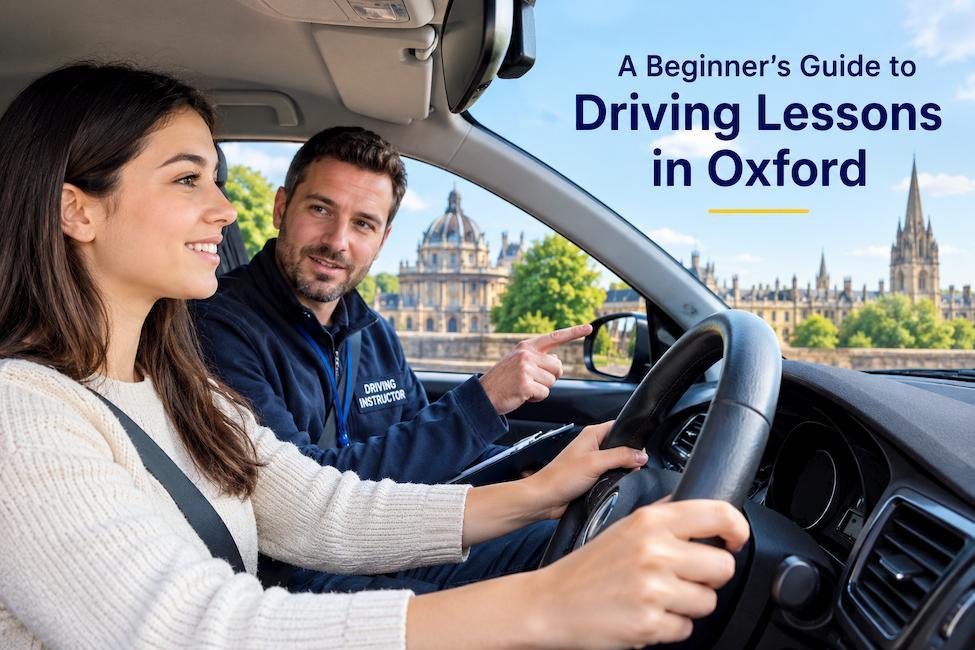
Learning to drive is an exciting milestone, but for many beginners, getting behind the wheel for the first time can also feel a little overwhelming. From understanding the controls to dealing with busy roads, roundabouts and unfamiliar situations, there is a lot to learn.
If you are planning to start a driving lesson in Oxford, having a clear idea of what to expect can make the process much easier. This guide explains the basics, from getting your provisional licence and choosing an instructor to preparing for your theory and practical tests.
Getting Started With Driving Lessons in Oxford
Before you book your first lesson, there are a few legal requirements to take care of.
In Great Britain, you need a provisional driving licence before you can take driving lessons or practise driving. Most people can start learning to drive a car at 17.
Once you have your provisional licence, you can start looking for a qualified instructor or driving school in Oxford. GOV.UK provides a service for finding approved driving instructors (ADIs), although not every instructor chooses to appear on the service.
You should also become familiar with The Highway Code. Understanding basic road signs, markings, speed limits and priorities will help you get more from your practical lessons.
What Happens During Your First Driving Lesson?
Your first lesson is usually about becoming comfortable with the vehicle rather than immediately driving through busy Oxford streets.
Your instructor may begin by explaining:
- How to adjust your seat and mirrors
- How to use the steering wheel
- The pedals and their functions
- Gear selection if you are learning in a manual car
- Indicators and other controls
- How to perform basic safety checks
- Starting and stopping safely
Depending on your confidence and previous experience, you may begin driving during your first lesson in a suitable quiet area.
A good instructor should adapt the lesson to your current ability rather than expecting you to know everything immediately. Professional instructors commonly use dual-control vehicles while teaching beginners, providing an additional level of safety during lessons.
Choosing the Right Driving Instructor
The instructor you choose can have a significant impact on your learning experience. Everyone learns differently, so finding someone whose teaching approach suits you is important.
When comparing instructors for a driving lesson in Oxford, consider:
Check Their Qualifications
Look for an instructor who is an approved driving instructor (ADI). GOV.UK allows learners to find approved instructors and check their grade when the instructor has chosen to declare it.
Consider Their Teaching Style
Some learners prefer detailed explanations, while others learn more effectively through practical demonstrations and repetition. A patient instructor who explains mistakes clearly can help you develop confidence.
Ask About Lesson Structure
Before booking, find out whether lessons are available at times that suit your schedule and whether the instructor offers regular weekly lessons, block bookings or intensive courses.
Consider Local Experience
Oxford has a mixture of residential roads, busy junctions, roundabouts, cycle traffic and more complicated urban driving situations. An instructor familiar with local roads can help you gradually experience different types of driving conditions.
Manual or Automatic Lessons?
One of the first decisions you may need to make is whether you want to learn in a manual or automatic car.
Manual Driving Lessons
Manual cars require you to operate the clutch, gears and accelerator while controlling the vehicle. Learning manual driving can give you experience with both manual and automatic vehicles, subject to the licence rules applicable to your test.
Automatic Driving Lessons
Automatic cars do not require manual gear changes or clutch control. This can allow learners to focus more attention on steering, observation, positioning and traffic situations.
Neither option is automatically right for every learner. Consider the type of cars you expect to drive in the future and which learning environment you feel most comfortable with.
Building Your Skills Step by Step
Learning to drive is not about mastering everything in one or two lessons. A structured approach usually works better.
Early lessons may focus on vehicle control and basic road positioning. As your confidence improves, you may progress to:
- Junctions and turning
- Meeting and passing other vehicles
- Traffic lights
- Roundabouts
- Changing lanes
- Parking
- Reversing manoeuvres
- Dual carriageways
- Busy urban roads
- Independent driving
- Different traffic and weather conditions
Oxford provides opportunities to experience a wide range of road environments. Local driving schools commonly include areas and junctions around Oxford in their training, helping learners become familiar with the types of situations they may encounter during everyday driving.
Why Regular Practice Matters
Consistency is one of the most useful habits you can develop as a learner.
Having lessons at regular intervals gives you the opportunity to build on what you learned previously instead of spending every lesson trying to remember older skills. If possible, practising between professional lessons with a suitable supervising driver can provide additional experience.
Remember that learners must be supervised when driving, and the vehicle must display L plates.
The purpose of additional practice is not simply to accumulate hours. Try to focus on particular skills and situations that your instructor has identified as areas for improvement.
Preparing for the Theory Test
Your practical lessons are only one part of learning to drive. You will also need to prepare for the car theory test.
The car theory test consists of a multiple-choice section and a hazard perception section, and you must pass both parts to pass the test.
The multiple-choice section contains 50 questions, with 57 minutes to complete it. The hazard perception section tests your ability to identify developing hazards in video clips.
You can use official practice materials to become familiar with both sections before taking the real test. GOV.UK provides free practice resources for multiple-choice and hazard perception preparation.
Studying the theory alongside your practical lessons can be particularly useful because you can connect what you read with situations you experience on the road.
Getting Ready for the Practical Driving Test
You should not rush to book your practical test simply because you have completed a particular number of lessons. There is no minimum number of lessons required before taking the test.
Instead, your instructor can help you assess whether you are consistently able to drive safely and independently.
To take the practical test, you must have passed your theory test first. The practical test assesses your ability to drive safely in different road and traffic conditions and demonstrate your knowledge of The Highway Code through your driving.
Before booking your test, make sure you are comfortable with:
- Independent driving
- Junctions and roundabouts
- Appropriate speed selection
- Effective observation
- Safe lane positioning
- Parking and reversing exercises
- Dealing with other road users
- Responding to unexpected situations
Common Beginner Mistakes
Almost every learner makes mistakes. What matters is understanding them and improving over time.
Some common beginner problems include:
Looking Too Close to the Car
New drivers sometimes focus too much on the road immediately in front of the vehicle. Developing better forward observation helps you identify situations earlier.
Forgetting Mirror Checks
Regular mirror checks help you understand what is happening around your vehicle before changing speed or direction.
Poor Speed Control
Driving too quickly for the circumstances can reduce your time to react. On the other hand, driving unnecessarily slowly can also affect traffic flow. Your instructor can help you understand appropriate speed for different situations.
Becoming Nervous at Junctions
Busy junctions can feel intimidating at first. Repeated practice can help you understand priorities and make decisions more confidently.
Trying to Learn Everything at Once
Driving involves many skills, and attempting to perfect everything immediately can increase stress. Concentrate on one or two areas at a time and build your abilities gradually.
How to Make the Most of Every Lesson
You can make your driving lesson in Oxford more productive by arriving prepared.
Before each lesson:
- Think about what you struggled with last time.
- Review relevant sections of The Highway Code.
- Ask your instructor about anything you did not understand.
- Focus on correcting previous mistakes.
- Stay patient when learning unfamiliar skills.
It can also be helpful to ask your instructor for honest feedback. Knowing exactly what you need to improve gives you a clearer learning path.
How Long Does It Take to Learn to Drive?
There is no fixed number of lessons that every learner needs.
Some people have previous driving experience, while others start completely from scratch. Your progress can depend on factors such as lesson frequency, practice outside lessons, confidence, ability to understand instructions and how quickly you develop consistent observation and decision-making skills.
Rather than comparing your progress with another learner, focus on whether your own driving is becoming safer, smoother and more independent.
Learning to Drive Safely, Not Just Passing the Test
Passing the practical test is an important milestone, but it should not be the only goal of driving lessons.
A good learning experience should help you develop skills that remain useful after you receive your licence. These include hazard awareness, appropriate speed control, observation, planning and consideration for other road users.
This is particularly important when driving in a busy city environment where you may encounter pedestrians, cyclists, buses, parked vehicles and changing traffic conditions.
Final Thoughts
Starting a driving lesson in Oxford is the beginning of a process that takes time, practice and patience. From obtaining your provisional licence and choosing the right instructor to preparing for your theory and practical tests, each stage helps you become a safer and more confident driver.
The key is to avoid rushing. Attend lessons regularly, practise responsibly, learn from mistakes and gradually expose yourself to different road conditions. With the right instruction and consistent effort, you can build the knowledge and practical skills needed for independent driving.
For the latest legal requirements, test information and official guidance, always check GOV.UK and the DVSA before making decisions about your driving lessons or tests.

 English
 Arabic
 French
 Spanish
 Portuguese
 Deutsch
 Turkish
 Dutch
Dutch
 Russian
 Romaian
 Portuguese (Brazil)
 Greek
Greek
 Bengali