


How Roofing Contractors Repair Storm-Damaged Roofs
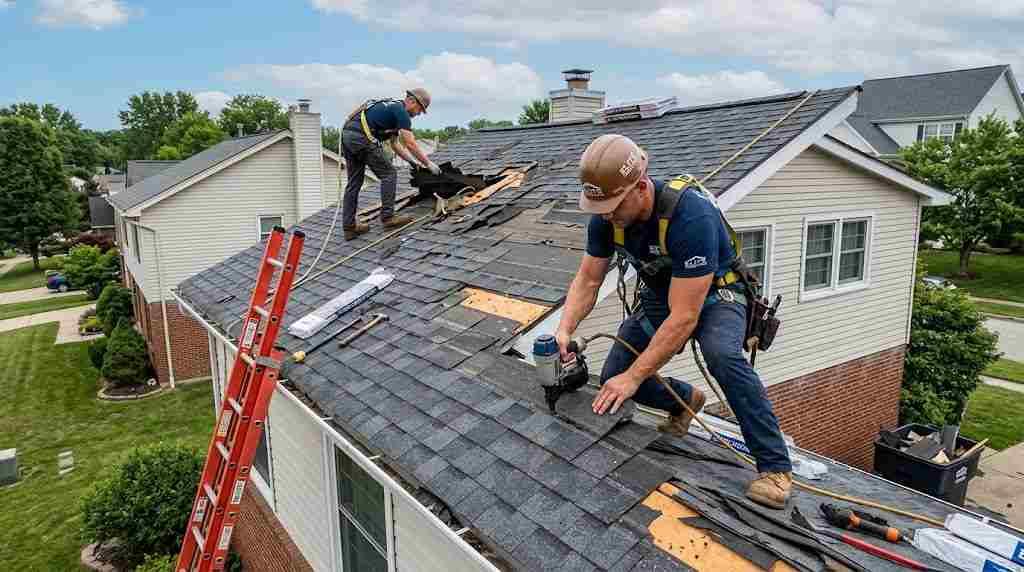
A severe storm can leave a roof looking perfectly normal from the ground while causing damage beneath the surface. High winds, heavy rain, hail, fallen branches, and flying debris can all compromise roofing materials. Some problems are obvious, such as missing shingles or a large hole, while others may not become noticeable until water starts entering the home days or even weeks later.
After a storm, homeowners often have more than just the roof to think about. Siding, trim, windows, gutters, and painted surfaces can also be affected by wind and moisture. Working with an Interior and exterior painting company in Valhalla can help address related exterior concerns, but roof damage should be inspected and handled promptly by qualified roofing professionals. The sooner problems are identified, the easier it may be to prevent minor damage from becoming a much larger repair.
What Causes Storm Damage to a Roof?
Different types of storms create different roofing problems. Understanding what your roof may have experienced can help you recognize why a professional inspection is important.
High Winds
Strong winds can lift or loosen shingles, particularly around roof edges, ridges, and corners. Even when shingles remain attached, their seals can be weakened. Loose flashing around chimneys, vents, and other roof penetrations can also create opportunities for water to enter.
Heavy Rain
Rain itself does not necessarily damage a properly maintained roof, but it can expose weaknesses that already exist. Cracked flashing, damaged shingles, clogged gutters, and deteriorated sealants may allow water to reach the roof deck or attic.
Hail
Hail can leave dents, cracks, and impact marks on shingles and other roofing components. Some hail damage is difficult to see without getting close to the roof, which is one reason professional inspections are valuable after severe weather.
Falling Branches and Debris
Branches can puncture shingles, damage flashing, break through roofing materials, or even affect the underlying decking. Large impacts may cause structural damage that cannot be identified through a simple visual inspection from the ground.
How Roofing Contractors Inspect Storm Damage
Before making repairs, a roofing contractor generally needs to determine exactly what was damaged. A proper inspection helps prevent unnecessary repairs while ensuring hidden problems are not overlooked.
Checking the Roof Surface
The contractor examines shingles, tiles, metal panels, or other roofing materials for visible signs of damage. They may look for:
- Missing or displaced shingles
- Cracked or broken roofing materials
- Hail impact marks
- Exposed underlayment
- Lifted edges
- Damaged ridge caps
- Punctures caused by debris
- Deteriorated sealant
The condition and age of the roof are also important. An older roof with widespread wear may respond differently to storm damage than a relatively new roof.
Examining Flashing and Roof Penetrations
Flashing protects vulnerable areas where different surfaces meet. Contractors pay particular attention to chimneys, skylights, vents, valleys, and roof-to-wall connections.
If flashing has been bent, separated, cracked, or displaced by wind, simply replacing a nearby shingle may not solve the problem. The underlying flashing issue must also be addressed.
Inspecting the Attic
Some storm damage becomes easier to identify from inside the house. A contractor may inspect the attic for:
- Water stains
- Damp insulation
- Wet or discolored wood
- Mold growth
- Daylight visible through the roof
- Damaged roof decking
This part of the inspection can reveal problems that are not obvious from outside.
How Roofing Contractors Repair Storm-Damaged Roofs
Once the damage has been evaluated, the contractor can determine the appropriate repair approach. The solution depends on the severity, location, and extent of the damage.
1. Replacing Missing or Damaged Shingles
If only a limited number of shingles are damaged, contractors may remove the affected shingles and install replacements.
The new shingles need to be properly aligned and secured. The surrounding shingles may also need attention if wind has weakened their seals or loosened their edges.
Matching replacement materials can sometimes be challenging, particularly when the existing roof has aged and changed color. A contractor may recommend using the closest practical match based on the available materials.
2. Repairing or Replacing Flashing
Storms can loosen flashing around chimneys, vents, skylights, and other penetrations. Contractors may reseal, reposition, repair, or replace damaged flashing depending on its condition.
Proper installation is essential because these areas are particularly vulnerable to water intrusion.
3. Repairing Damaged Roof Decking
If water has penetrated through the roofing system, the roof decking underneath may become wet or deteriorated. Contractors may remove damaged sections and replace them with suitable new decking.
This repair is more involved than simply replacing a shingle because the damaged underlying material must be addressed before the roof covering is restored.
4. Fixing Roof Leaks
When a storm causes a leak, contractors first need to locate its source. Water can travel along rafters or other structural components before appearing as a stain on a ceiling, so the location of the interior stain is not always directly below the roof problem.
A professional repair may involve replacing damaged roofing materials, correcting flashing, repairing penetrations, or addressing problems with valleys and other drainage areas.
5. Repairing Gutters and Drainage Components
Storm debris can dent gutters, disconnect downspouts, or block drainage paths. While gutters are separate from the roof itself, they play an important role in moving rainwater away from the home.
A roofing contractor may identify gutter problems during an inspection and recommend appropriate repairs or coordination with another professional when necessary.
When You Should Contact Roofing Contractors
Not every storm leaves dramatic damage. In fact, some of the most troublesome problems may initially look minor.
If you notice missing shingles, loose materials, water stains, damaged flashing, or debris impact after severe weather, arranging an inspection is a sensible next step.
Homeowners in areas affected by frequent storms can also benefit from knowing reputable professionals before an emergency occurs. For example, Roofing Contractors in Golden's Bridge can help homeowners understand what should be inspected and which repairs may be appropriate after significant weather events.
The important point is not to wait for a ceiling stain before taking roof damage seriously. Water can enter through surprisingly small openings and gradually affect insulation, decking, framing, and interior finishes.
Temporary Repairs vs. Permanent Repairs
After major storms, contractors may use temporary measures to protect a home while permanent repairs are being arranged.
Temporary Protection
Depending on the situation, a damaged roof may need temporary covering or another protective measure to reduce further water exposure. These steps are intended to protect the property while a complete repair is planned.
Temporary protection is especially important when severe weather has created an opening and additional rain is expected.
Permanent Repairs
Permanent repairs address the actual source of the problem. This may mean replacing roofing materials, repairing decking, rebuilding flashing details, or correcting drainage issues.
A temporary fix should not be treated as a substitute for permanent repair unless a professional determines that no additional work is necessary.
Can Storm-Damaged Roofs Be Repaired or Do They Need Replacement?
The answer depends on the extent of the damage and the overall condition of the roof.
A roof with isolated damage may be repairable. For example, replacing several missing shingles or repairing a section of flashing may be sufficient.
However, replacement may be considered when damage is widespread, the roofing system has reached the end of its expected service life, or the underlying structure has suffered significant deterioration.
A reputable contractor should explain what was found and why a particular repair approach is being recommended. Homeowners should be cautious of anyone who immediately recommends a complete replacement without conducting a thorough inspection.
What Homeowners Should Do After a Storm
There are several practical steps you can take after severe weather.
Look From the Ground
Avoid climbing onto the roof yourself, especially when surfaces may be wet or unstable. Instead, look for obvious signs such as missing shingles, fallen branches, damaged gutters, or visible debris.
Check Your Attic and Ceilings
Look for new stains, dampness, dripping water, or unusual moisture. If you find active water intrusion, move valuables away from the affected area and address the problem promptly.
Document Visible Damage
Take photographs of visible damage from safe locations. Photos can help you keep a record of the condition of your property and may be useful when discussing repairs or insurance matters.
Schedule an Inspection
A professional inspection can help determine whether the damage is cosmetic, functional, or structural. It can also identify problems that may not be visible from the ground.
Avoid Unnecessary DIY Roof Repairs
Roof repairs involve fall risks as well as the possibility of making existing damage worse. Even seemingly simple repairs can affect waterproofing if materials are installed incorrectly.
Working With Your Insurance Company
Storm damage may sometimes involve an insurance claim, depending on your policy and the circumstances. Before making assumptions about coverage, review your policy and contact your insurance provider.
Keep records of photographs, inspection reports, repair estimates, receipts, and communication related to the damage. A roofing contractor can provide documentation about the physical condition of the roof, while the insurance company determines coverage according to the policy.
Remember that an insurance inspection and a roofing inspection serve different purposes. One focuses on policy coverage, while the other focuses on the condition and repair needs of the roofing system.
How to Prevent Future Storm Damage
You cannot control the weather, but regular roof maintenance can help reduce vulnerabilities.
Have your roof inspected periodically, particularly if it is older or has already experienced severe weather. Keep gutters clear, trim branches that hang over the roof, address damaged shingles promptly, and watch for deteriorating flashing or sealants.
Proper attic ventilation and insulation can also contribute to the long-term condition of a roofing system by helping manage heat and moisture levels.
Conclusion
Storm damage can range from a few loose shingles to serious problems involving the roof deck and underlying structure. The most important step is to have the roof properly inspected rather than assuming that everything is fine because there is no obvious leak. Qualified contractors can identify visible and hidden damage, recommend appropriate repairs, and help protect the home from additional water intrusion. Whether you are dealing with roofing repairs or other exterior restoration needs, JLL Painting can also be part of a broader property maintenance plan when storm-related damage affects painted surfaces and exterior finishes.
FAQs
1. How soon should I have my roof inspected after a storm?
It is best to arrange an inspection as soon as reasonably possible after a significant storm, particularly if you notice missing shingles, debris impact, leaks, or other visible damage.
2. Can a roof look fine but still have storm damage?
Yes. Shingles may remain in place even when their seals have been weakened, and damage to flashing, decking, or underlayment may not be visible from the ground.
3. Should I repair a storm-damaged roof myself?
Roof work can involve serious fall hazards and requires proper installation techniques. Minor-looking damage can also hide deeper problems, so professional evaluation is generally safer.
4. Does every storm-damaged roof need to be replaced?
No. Many roofs can be repaired when damage is limited to specific areas. Replacement may be appropriate when damage is extensive or the existing roof is already near the end of its service life.

 English
 Arabic
 Spanish
 Portuguese
 Deutsch
 Turkish
 Dutch
Dutch
 Italiano
 Russian
 Romaian
 Portuguese (Brazil)
 Greek
Greek
 Bengali