


How Migraine Symptoms Can Vary From Person to Person
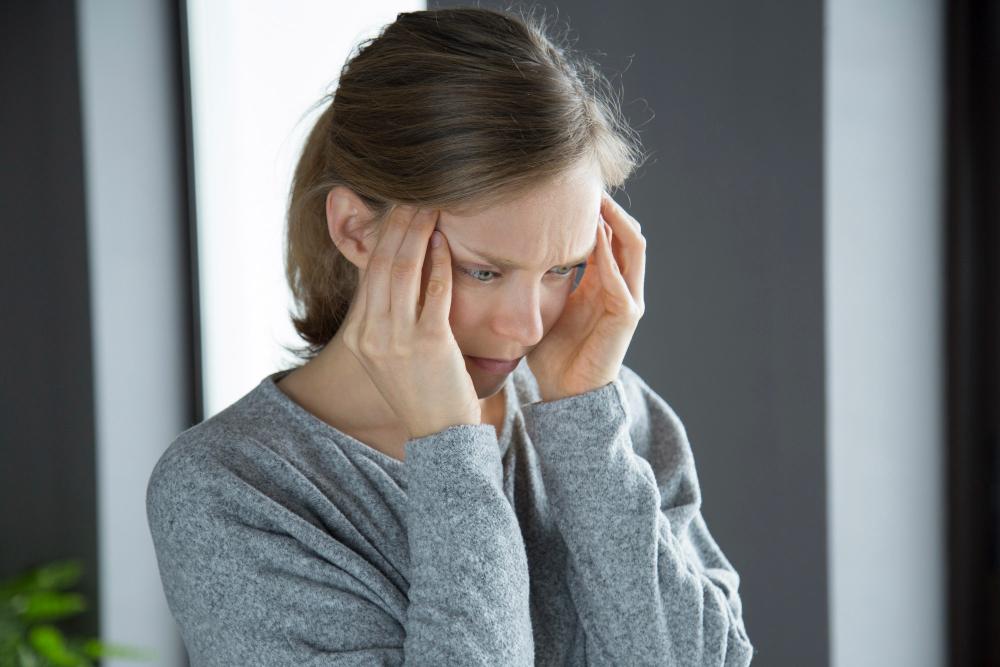
Migraine is often described as a severe headache, but the condition can involve much more than head pain. Symptoms can differ widely between people, and even the same person may experience different symptoms during separate attacks. Understanding these differences can make it easier to recognize patterns and discuss them with a healthcare professional.
Migraine Does Not Look the Same for Everyone
A migraine attack may involve intense, throbbing or pulsing head pain, often accompanied by nausea, vomiting, and sensitivity to light or sound. However, not everyone experiences all of these symptoms.
Some people have pain on one side of the head, while others may experience pain on both sides. Migraine attacks can also last for several hours or longer, and their effect on daily activities can range from mild disruption to significant disability.
Because symptoms vary, recognizing individual patterns is often more useful than comparing one person's experience with another's.
Common Migraine Symptoms
Head pain is one of the most recognized features of migraine. It may become worse with normal physical activity and can interfere with work, school, exercise, or everyday responsibilities.
Other common symptoms may include:
- Nausea or vomiting
- Sensitivity to light
- Sensitivity to sound
- Sensitivity to smells
- Fatigue
- Difficulty concentrating
- Changes in appetite
Some people may experience these symptoms without severe head pain. This is one reason migraines can sometimes be difficult to identify based on pain alone.
What Happens Before a Migraine?
Migraine attacks may occur in stages, although not everyone experiences every stage. The prodrome phase can happen before the headache and may involve subtle changes such as mood shifts, food cravings, neck stiffness, frequent yawning, constipation, or increased urination.
These changes can be easy to overlook, particularly when someone has not yet connected them with their migraine pattern. Keeping track of recurring symptoms can help identify these early signals.
For some people, an aura occurs before or during an attack. Aura symptoms are temporary and can include visual disturbances, tingling, numbness, or difficulty speaking.
Why Symptoms Can Differ Between People
Migraine is a neurological condition with many possible symptoms and triggers. Sleep changes, stress, skipped meals, bright light, strong smells, weather changes, and certain foods may contribute to attacks in some people.
Triggers are not universal. Something that precedes an attack for one person may have no effect on someone else.
Age can also influence how migraine appears. Children and teenagers can experience migraine, but their symptoms may not always resemble the classic adult presentation. Pediatric migraine can have shorter attacks and may involve symptoms that are less clearly described as one-sided head pain.
Keeping Track of Your Symptoms
A headache diary can help people identify patterns over time. Useful details to record may include:
- When the attack started
- How long symptoms lasted
- Where the pain occurred
- Other symptoms that appeared
- Foods and drinks consumed
- Sleep patterns
- Stress levels
- Medications taken
- Possible environmental triggers
This information can give a healthcare professional a clearer picture of what is happening and whether symptoms are changing over time.
When Migraine Symptoms Need Medical Attention
A sudden or significantly different headache should not automatically be assumed to be migraine. Recognizing migraine warning signs can help people notice changes in their usual pattern. New neurological symptoms, including sudden weakness, speech difficulties, or vision changes, may require urgent medical evaluation because other conditions can produce similar symptoms.
People who experience frequent attacks, worsening symptoms, or changes in their usual migraine pattern should discuss those changes with a healthcare professional.
Understanding Migraine Can Help Families Recognize Patterns
Migraine can affect adults, children, and teenagers, and symptoms can vary considerably across age groups. Learning the individual's usual symptoms can help families recognize an attack earlier and communicate more clearly with healthcare professionals.
For families exploring research opportunities, Sign up for a pediatric migraine research study to learn whether a child may have an opportunity to contribute to research into migraine affecting children and adolescents.

 English
 Arabic
 French
 Spanish
 Portuguese
 Turkish
 Dutch
Dutch
 Italiano
 Russian
 Romaian
 Portuguese (Brazil)
 Greek
Greek
 Bengali