


Choosing the Right Industrial Textile Materials: A Guide to Yarn, Webbing and Rope Solutions
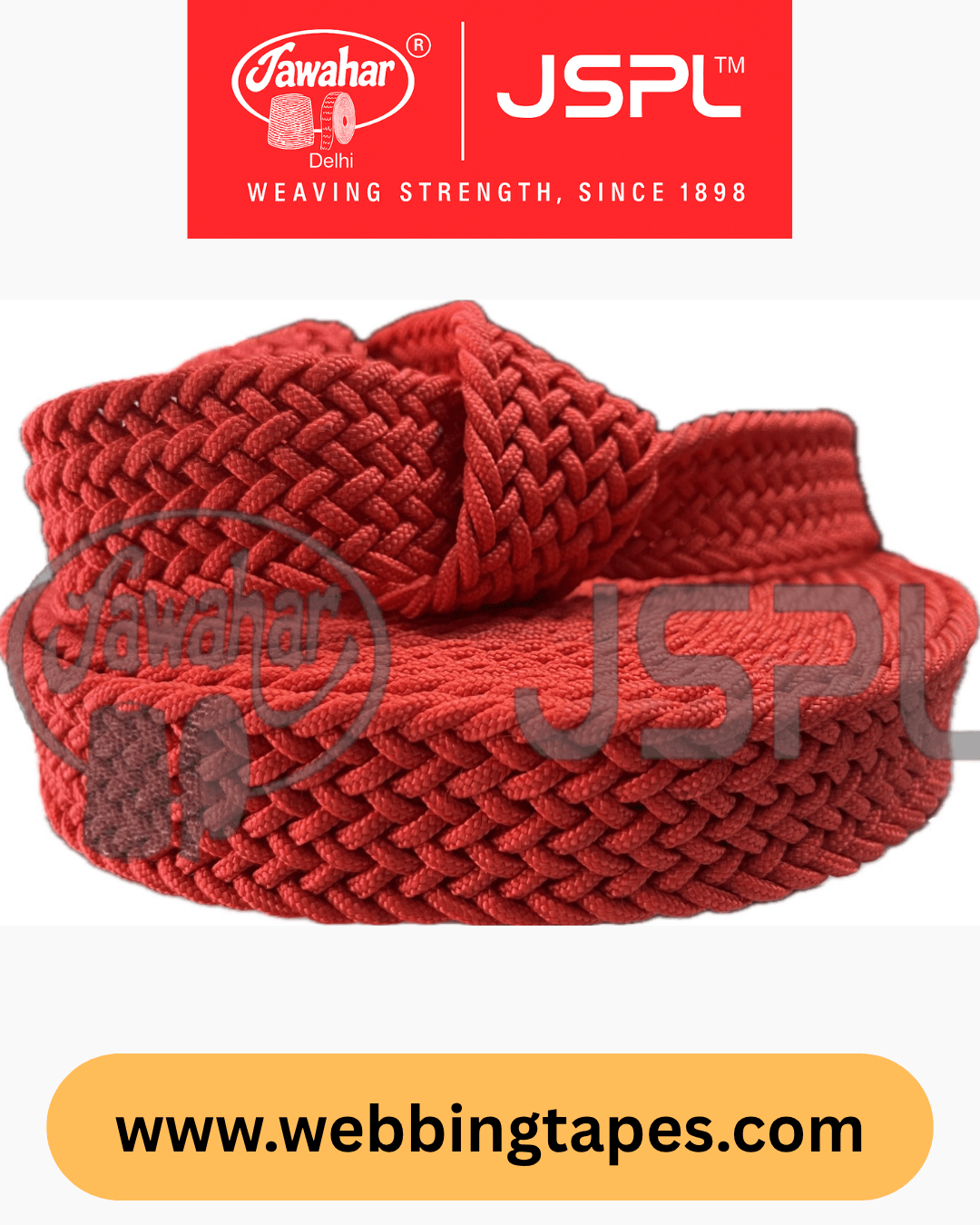
When people think about textiles, clothing and fashion are usually the first things that come to mind. However, textiles play a much broader role in modern industry. Yarn, webbing, ropes, cords, and narrow woven materials are used in products and processes across packaging, agriculture, logistics, furniture, automotive manufacturing, luggage, safety equipment, and many other sectors.
For businesses operating in these industries, choosing the right textile material is an important part of product development and manufacturing. The right material needs to match the application, production process, and expected performance of the finished product.
Jawahar Group is a Delhi-based textile manufacturing company providing yarn, webbing, rope, and related textile solutions for B2B and industrial applications. Its portfolio reflects the growing need for practical textile materials that can serve different manufacturing requirements.
Why Material Selection Matters in Industrial Textiles
A textile component may appear simple, but its performance depends on several factors.
Material composition, dimensions, construction, flexibility, strength, texture, and finish can all influence how a textile product behaves during manufacturing and everyday use.
For example, the webbing used on a backpack needs to withstand repeated handling. A rope used for agricultural applications may have different requirements from one used for packaging. Similarly, yarn used to produce woven materials needs to be suitable for the downstream manufacturing process.
This is why industrial textile sourcing should begin with the application rather than simply the product name.
Polypropylene Yarn and Its Industrial Uses
Yarn is one of the fundamental materials used to create many textile products. It can be processed into woven fabrics, ropes, webbing, braided cords, and other textile structures.
Polypropylene yarn is widely used for a range of commercial and industrial applications. As a Polypropylene Yarn manufacturer in india, Jawahar Group supplies polypropylene yarn solutions for woven products, packaging, industrial textiles, ropes, and related applications.
One of the characteristics that makes polypropylene useful for industrial applications is its lightweight nature. It can be suitable for products where practical material performance is required without adding unnecessary weight.
However, choosing polypropylene yarn still requires consideration of the intended application. Buyers may need to discuss specifications, construction, dimensions, and processing requirements with the supplier.
For manufacturers using yarn as a regular production input, consistency is also an important consideration. Stable material characteristics can contribute to predictable downstream production.
Understanding Webbing Tape
Webbing tape is a narrow woven textile material used in many everyday and industrial products.
It can serve several purposes, including carrying, fastening, reinforcement, support, and structural connection.
Products such as backpacks, luggage, furniture, sports equipment, safety products, and automotive components can all incorporate webbing.
As a Webbing tape manufacturer in India, Jawahar Group provides webbing solutions for different B2B applications.
Webbing can be made from materials such as polyester, nylon, polypropylene, and cotton. Each material may be selected according to the requirements of the finished product.
Before selecting webbing, manufacturers should consider:
- Required width
- Thickness
- Material
- Construction
- Flexibility
- Strength requirements
- Surface characteristics
- Intended application
These factors can help determine whether a particular webbing specification is suitable.
Cotton Webbing: Where Does It Fit?
Cotton webbing continues to be used in applications where its texture, appearance, and material characteristics are appropriate.
As a Cotton webbing tape manufacturer India, Jawahar Group provides cotton webbing solutions for bags, accessories, furniture, packaging, and other textile products.
Cotton webbing can provide a different look and feel compared with synthetic webbing. This makes it useful for certain product designs and applications.
However, choosing cotton webbing should still involve an assessment of the product's functional requirements. Width, thickness, construction, finish, and expected use can influence the appropriate specification.
The key is to select the material based on what the finished product actually requires.
Industrial Webbing Has Specific Requirements
Industrial webbing is often used in functional applications where the textile component contributes to the overall performance of a product.
It may be found in safety equipment, automotive products, furniture, logistics systems, sports equipment, agricultural products, and industrial assemblies.
Businesses looking for an industrial webbing strap supplier should therefore evaluate suppliers based on more than just product availability.
The first question should be: What is the webbing expected to do?
If it will be used for repeated handling, the manufacturer may need to consider strength and construction. If it will be incorporated into furniture, flexibility and appearance may also matter. For industrial assemblies, dimensions and consistency can become particularly important.
A clear understanding of the end use allows buyers and suppliers to discuss specifications more effectively.
Polypropylene Rope for Practical Applications
Rope is another important textile product with applications across multiple industries.
As a Polypropylene Rope manufacturer in India, Jawahar Group provides polypropylene rope solutions for agriculture, transportation, packaging, construction, and industrial handling applications.
Polypropylene rope is often considered where lightweight construction and practical handling characteristics are useful.
However, different applications require different specifications. A rope used for packaging may not have the same requirements as one used for agricultural operations or industrial handling.
Buyers should therefore communicate the intended application and expected conditions when discussing rope requirements with a supplier.
The Connection Between Yarn, Webbing and Rope
Yarn, webbing, and rope may appear to be different product categories, but they are connected through the textile manufacturing process.
Yarn is used to create woven and braided structures. These structures can become webbing, rope, cords, and other textile components.
This connection is particularly relevant for B2B manufacturers. A business may source webbing for bags while another requires yarn for packaging products, and another may require rope for agriculture or industrial handling.
Although their applications differ, all of these businesses depend on textile materials that meet specific requirements.
What Should Businesses Look for in a Textile Supplier?
Selecting a textile supplier is an important decision, particularly when the material is part of a recurring manufacturing process.
Businesses can consider several factors before making a sourcing decision.
1. Application suitability
The material should be appropriate for the intended end use.
2. Product specifications
Dimensions, construction, material, finish, and other specifications should be clearly discussed.
3. Consistency
For repeat manufacturing, predictable product characteristics can help maintain stable production.
4. Communication
A supplier should be able to understand the buyer's requirements and discuss suitable product options.
5. Supply requirements
Businesses should also consider their expected quantities, delivery requirements, and long-term sourcing needs.
Jawahar Group provides different textile product categories for businesses that require yarn, webbing, rope, and related materials.
How Digital Platforms Are Changing Textile Sourcing
The B2B buying process has changed significantly with the growth of online research.
A procurement professional looking for a Webbing tape manufacturer in India may begin by searching online, reviewing websites, comparing products, and researching applications before contacting a supplier.
The same applies to businesses looking for polypropylene yarn, cotton webbing, industrial straps, or polypropylene rope.
This has made digital visibility increasingly important for industrial manufacturers.
Jawahar Group works with Digiactus, a Delhi-based digital marketing agency, to support its online presence through SEO, content marketing, and search-focused communication.
The focus is on making information about products and applications easier for relevant B2B audiences to discover.
For industrial businesses, useful digital content can answer important questions before a sales conversation even begins. Explaining product applications, materials, specifications, and use cases can help potential buyers understand whether a particular product category is relevant to them.
Application-Focused Textile Manufacturing
Modern textile manufacturing is increasingly connected to specific product requirements.
Rather than viewing yarn, webbing, and rope as generic commodities, manufacturers and buyers can evaluate them based on their intended application.
A bag manufacturer may need durable and flexible webbing. A packaging business may require suitable polypropylene yarn. A furniture manufacturer may need webbing with specific dimensions and construction. An agricultural business may require polypropylene rope suited to its handling requirements.
The material selection process therefore begins with understanding the final product.
Looking Ahead
The demand for industrial textile materials is likely to continue as businesses develop new products and improve existing manufacturing processes.
Textile manufacturers will need to understand changing applications while maintaining attention to product consistency and practical requirements.
Jawahar Group's product portfolio across polypropylene yarn, webbing tapes, cotton webbing, polypropylene rope, and related textile products reflects the diverse role of textiles in modern B2B manufacturing.
For businesses sourcing these materials, the most important step is to define the application clearly and communicate the required specifications.
Whether the requirement is webbing for bags, cotton webbing for accessories, industrial straps, polypropylene yarn, or polypropylene rope, the right material is ultimately determined by how it needs to perform.
Conclusion
Industrial textiles may not always be the most visible part of a finished product, but they often perform essential functions.
Yarn forms the basis of many textile structures. Webbing provides support, reinforcement, and fastening. Cotton webbing offers a distinct material option for selected applications. Polypropylene rope supports practical requirements across agriculture, packaging, transportation, and industrial handling.
For businesses searching for a Webbing tape manufacturer in India, Cotton webbing tape manufacturer India, industrial webbing strap supplier, Polypropylene Yarn manufacturer in india, or Polypropylene Rope manufacturer in India, application suitability should remain the starting point.
By bringing together different textile product categories and supporting B2B manufacturing requirements, Jawahar Group contributes to the wider industrial textile supply chain while continuing to focus on practical and application-oriented textile solutions.

 English
 Arabic
 French
 Spanish
 Portuguese
 Deutsch
 Turkish
 Dutch
Dutch
 Italiano
 Russian
 Romaian
 Portuguese (Brazil)
 Bengali