


Homeowners Insurance Inspection Checklist: What Florida Homeowners Should Know in 2026
Preparing for a homeowners insurance inspection can feel overwhelming, especially when you are unsure what an insurance company may want to see. Having a homeowners insurance inspection checklist can make the process more organized and help you identify potential maintenance concerns before an inspection takes place.
In Florida, insurance-related property inspections can include underwriting inspections, four-point inspections, specialized inspections, and wind mitigation inspections. The exact inspection an insurer requests depends on the property and the insurer's underwriting requirements. The Florida Department of Financial Services notes that an insurer may require a 4-point or specialized inspection and that failure to provide a requested inspection may affect coverage or insurability.
What Is a Homeowners Insurance Inspection?
A homeowners insurance inspection is different from a traditional home inspection performed during a real estate purchase.
An insurance inspection generally helps an insurer evaluate the condition and characteristics of a property. Depending on the type of inspection, the insurer may be interested in the roof, electrical system, plumbing, HVAC equipment, wind-mitigation features, or other property characteristics.
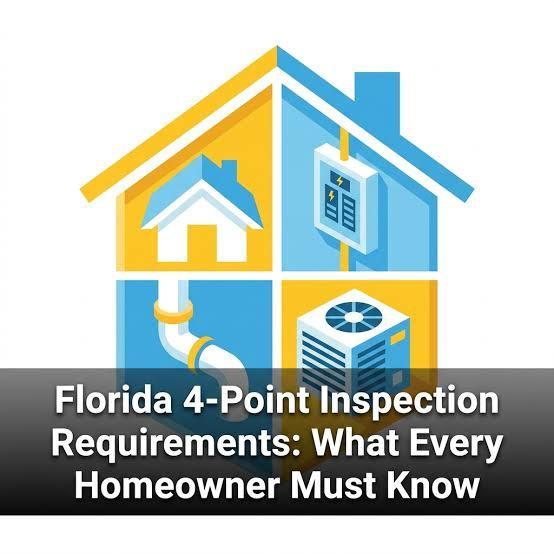
For older homes, a four-point inspection commonly focuses on four major systems: roofing, electrical, plumbing, and heating or air conditioning.
Because insurance companies have different underwriting requirements, homeowners should confirm with their insurance agent exactly which inspection and documentation are required.
Homeowners Insurance Inspection Checklist
Before scheduling an inspection, homeowners can use the following homeowners insurance inspection checklist to review the major areas of the property.
1. Check the Roof
The roof is one of the most important items to review before an insurance inspection.
Look for visible signs of:
-
Missing or damaged roofing materials
-
Deteriorated areas
-
Damaged flashing
-
Visible leaks
-
Water stains
-
Loose or exposed components
-
Debris or vegetation accumulation
-
Signs of previous storm damage
Roof age is also important. A four-point inspection can document the roof's type, age, condition, and visible deterioration. Florida's Department of Financial Services notes that insurers may have specific requirements concerning remaining roof life.
Homeowners should keep records showing when the roof was installed or replaced whenever those records are available.
2. Review the Electrical System
Electrical components are another major part of a four-point inspection.
Before an insurance inspection, check for obvious concerns such as damaged electrical components, exposed wiring, missing covers, or other visible hazards.
The electrical panel should also be accessible to the inspector. A four-point inspection may document the type of wiring, electrical panel condition, and visible safety hazards.
If you are uncertain about the condition of an electrical system, have a qualified professional evaluate it rather than attempting electrical repairs yourself.
3. Inspect Plumbing Components
Plumbing is the third major area included in a typical four-point inspection.
Homeowners can look for:
-
Active leaks
-
Corrosion
-
Damaged supply lines
-
Leaking fixtures
-
Drainage problems
-
Water stains
-
Visible plumbing deterioration
It is also useful to make sure plumbing areas are accessible.
The Florida Department of Financial Services' four-point inspection guidance specifically identifies the water heater, under-cabinet plumbing and drains, and exposed valves among the areas that should be photographed as part of the inspection report.
4. Review the HVAC System
Heating and cooling equipment is the fourth major component of a four-point inspection.
Check that the equipment is accessible and that you have documentation showing its approximate age when available.
The inspection may document the HVAC equipment and its dated manufacturer plate.
If the system is not operating correctly, consider having it evaluated by a qualified HVAC professional before the insurance inspection.
5. Look for Water Damage
Water damage can be an important concern during an insurance-related property evaluation.
Look around ceilings, walls, windows, bathrooms, kitchens, and other areas where moisture problems may develop.
Pay attention to:
-
Water stains
-
Discoloration
-
Peeling materials
-
Musty odors
-
Damaged drywall
-
Visible leaks
-
Signs of previous water intrusion
If you find unexplained moisture, identifying and addressing the source is more important than simply covering the visible evidence.
6. Review Exterior Maintenance
An insurance company may also evaluate general property conditions during an underwriting inspection.
The Florida Department of Financial Services notes that an insurer's inspection may consider hazards and maintenance issues, including unrepaired steps, steps without handrails, certain property hazards, overgrown vegetation, and dead tree limbs near the home.
Walk around the property and look for obvious maintenance concerns before the inspection.
7. Review Wind-Mitigation Features
Florida homeowners should also understand wind mitigation.
A wind mitigation inspection documents features designed to reduce hurricane and windstorm damage. The resulting Uniform Mitigation Verification Inspection Form can be submitted to an insurer when applicable.
Importantly, Florida's current OIR-B1-1802 form was revised in 2026. The revised form, OIR-B1-1802 (Rev. 04/26), became effective April 1, 2026, and inspections conducted on or after that date must use the revised form.
Depending on the property, relevant features can include aspects of roof construction, opening protection, roof-to-wall connections, and other hurricane-resistant characteristics.
Documents to Have Ready
A little preparation can make the inspection process easier.
Homeowners may want to gather:
-
Roof installation or replacement records
-
Receipts for major repairs
-
HVAC installation information
-
Electrical upgrade documentation
-
Plumbing repair records
-
Previous inspection reports
-
Wind mitigation documentation
-
Permits or other records for major improvements
Having documentation available can help establish the age, type, or history of important components.
Does an Insurance Inspection Mean Your Home Will Be Rejected?
Not necessarily.
An insurance inspection is part of an insurer's underwriting process, and requirements vary between insurance companies. A property may have maintenance items that need attention without every issue resulting in the same insurance decision.
The Florida Department of Financial Services explains that insurers determine which risks they are willing to assume and may have their own underwriting requirements.
For that reason, homeowners should ask their insurance agent what inspection is required and what documentation the insurer expects before scheduling the inspection.
Conclusion
A homeowners insurance inspection checklist can help Florida property owners prepare for an insurance-related inspection without overlooking important areas of the home.
Start with the four major systems commonly reviewed during a four-point inspection: roofing, electrical, plumbing, and HVAC. Then review exterior maintenance, visible water damage, documentation, and applicable wind-mitigation features.
Most importantly, remember that insurance inspections are not identical to comprehensive home inspections. The inspection requirements depend on the insurer, property, and type of inspection requested.
By reviewing your home in advance and addressing known maintenance concerns, you can approach an insurance inspection with better documentation and a clearer understanding of your property's condition.

 English
 Arabic
 Spanish
 Portuguese
 Deutsch
 Turkish
 Dutch
Dutch
 Italiano
 Russian
 Romaian
 Portuguese (Brazil)
 Greek
Greek
 Bengali