


Is Your Toothache an Emergency? A Guide for Ang Mo Kio Residents
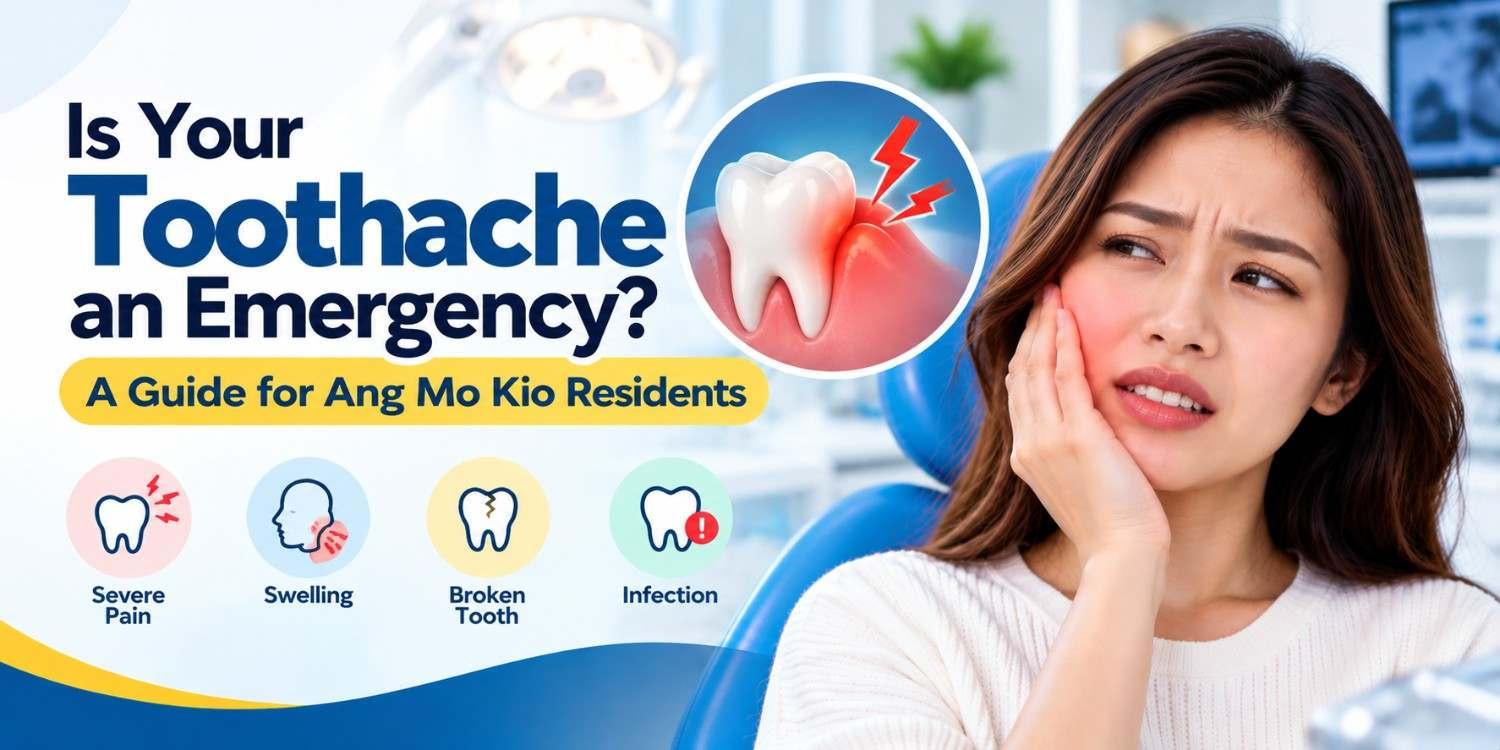
A toothache can start without warning. It may begin as a mild ache while eating or drinking, or it may become a sharp, throbbing pain that makes it difficult to sleep, concentrate, or enjoy your meals. While some toothaches are caused by minor problems, others may be a sign of an infection or damage that requires immediate attention.
Knowing when to seek help can make a big difference. If you are experiencing severe pain or swelling, visiting an emergency dentist in Ang Mo Kio as soon as possible can help prevent the problem from becoming more serious. This guide explains how to recognise the warning signs, what to expect during an emergency dental visit, and how to protect your oral health.
Why Does a Toothache Happen?
A toothache is not a condition on its own. It is usually a sign that something is affecting your teeth, gums, or surrounding tissues. Sometimes the cause is simple, while other cases may require urgent treatment.
Common reasons include tooth decay, cracked teeth, worn fillings, gum infections, impacted wisdom teeth, or injuries caused by accidents. In some situations, pain may even spread from the jaw or nearby muscles, making it difficult to identify the exact source.
Because different dental conditions can produce similar symptoms, a professional examination is the best way to determine the cause and recommend the right treatment.
When Is a Toothache an Emergency?
Not every toothache requires same-day treatment, but there are situations where delaying care can lead to more serious complications.
Seek prompt dental attention if you notice:
-
Severe or persistent tooth pain that does not improve
-
Swelling around your gums, face, or jaw
-
A knocked-out or badly broken tooth
-
Pus, fever, or a bad taste in your mouth that may indicate an infection
These symptoms should never be ignored, as they may require immediate treatment to protect both your teeth and your overall health.
What Happens During an Emergency Dental Visit?
Many people feel anxious before an emergency appointment because they don't know what to expect. In reality, the first priority is usually to identify the cause of your pain and relieve your discomfort.
Your dentist will begin by asking about your symptoms and examining your teeth and gums. Digital X-rays may be recommended if the problem cannot be seen during a routine examination. Once the cause has been identified, your dentist will explain the available treatment options and answer any questions you may have.
Depending on your condition, treatment may involve repairing a damaged tooth, treating an infection, replacing a lost filling, performing a root canal procedure, or removing a tooth if it cannot be saved. The treatment plan will always depend on your individual needs.
Why You Shouldn't Ignore Dental Pain
Many people hope that a toothache will disappear on its own. While the discomfort may temporarily improve, the underlying problem often remains.
Ignoring dental pain can allow tooth decay to progress deeper into the tooth, infections to spread, or small cracks to become larger fractures. Early treatment is usually simpler, less invasive, and more comfortable than waiting until the condition becomes severe.
Seeking care promptly can also help preserve your natural teeth whenever possible.
Choosing the Right Dental Clinic
When you are in pain, it's important to find a trusted dental clinic in Ang Mo Kio that focuses on patient care rather than simply providing quick treatment.
A good clinic should have experienced dentists who explain your diagnosis clearly, discuss the available treatment options, and provide transparent pricing before treatment begins. Modern diagnostic equipment and a clean, welcoming environment can also make your visit more comfortable.
Reading patient reviews and choosing a clinic with a reputation for compassionate care can give you added confidence during an emergency.
Simple Ways to Reduce Discomfort Before Your Appointment
While home care cannot replace professional treatment, a few simple steps may help manage discomfort until you can see a dentist.
You can:
-
Rinse your mouth gently with warm salt water and avoid chewing on the painful side.
-
Eat soft foods and avoid very hot, cold, or sugary drinks that may trigger pain.
-
Take pain relief medication only as directed and avoid placing aspirin directly on the gums.
These measures provide temporary relief but should never delay professional dental care if your symptoms continue or worsen.
Preventing Future Dental Emergencies
Many dental emergencies can be avoided with regular preventive care. Visiting your dentist for routine check-ups allows small problems to be detected before they become painful or require more complex treatment.
Brushing twice a day, flossing daily, eating a balanced diet, and wearing a mouthguard during contact sports can also reduce your risk of dental injuries and disease. Developing good oral hygiene habits today can help protect your smile for years to come.
Warning Signs You Should Never Ignore
Some symptoms suggest that you should arrange a dental appointment as soon as possible.
Watch for:
-
Swelling that spreads to your face or jaw
-
Continuous bleeding or severe pain after an injury
-
Difficulty swallowing, opening your mouth, or a fever with dental pain
If you experience any of these symptoms, don't wait for the discomfort to improve. Contact a dentist near Ang Mo Kio so the problem can be assessed before it becomes more serious.
Final Thoughts
A toothache is often your body's way of telling you that something needs attention. While some dental problems are minor, others require prompt treatment to prevent complications and protect your oral health.
If you're experiencing severe pain, swelling, or signs of infection, seeking emergency dental care Singapore without delay can help relieve discomfort and reduce the risk of long-term damage. Early treatment is often the simplest and most effective way to restore your oral health and keep your smile healthy.
Frequently Asked Questions
Can a toothache go away without treatment?
Sometimes the pain may lessen for a short time, but the underlying dental problem usually remains and should be examined by a dentist.
How do I know if my toothache is serious?
Persistent pain, swelling, fever, or difficulty chewing are common signs that you should seek professional dental care.
What should I do if I break a tooth?
Rinse your mouth gently, avoid chewing on the damaged tooth, and arrange a dental appointment as soon as possible.
Is swelling around a tooth normal?
Swelling often indicates inflammation or infection and should be assessed by a dentist promptly.
How can I reduce my risk of dental emergencies?
Good oral hygiene, regular dental check-ups, wearing a mouthguard during sports, and treating dental problems early can significantly reduce your risk.

 English
 Arabic
 French
 Spanish
 Portuguese
 Deutsch
 Turkish
 Dutch
Dutch
 Italiano
 Russian
 Portuguese (Brazil)
 Greek
Greek
 Bengali