


How to Choose a Flour Mill Machine for Efficient Grain Processing
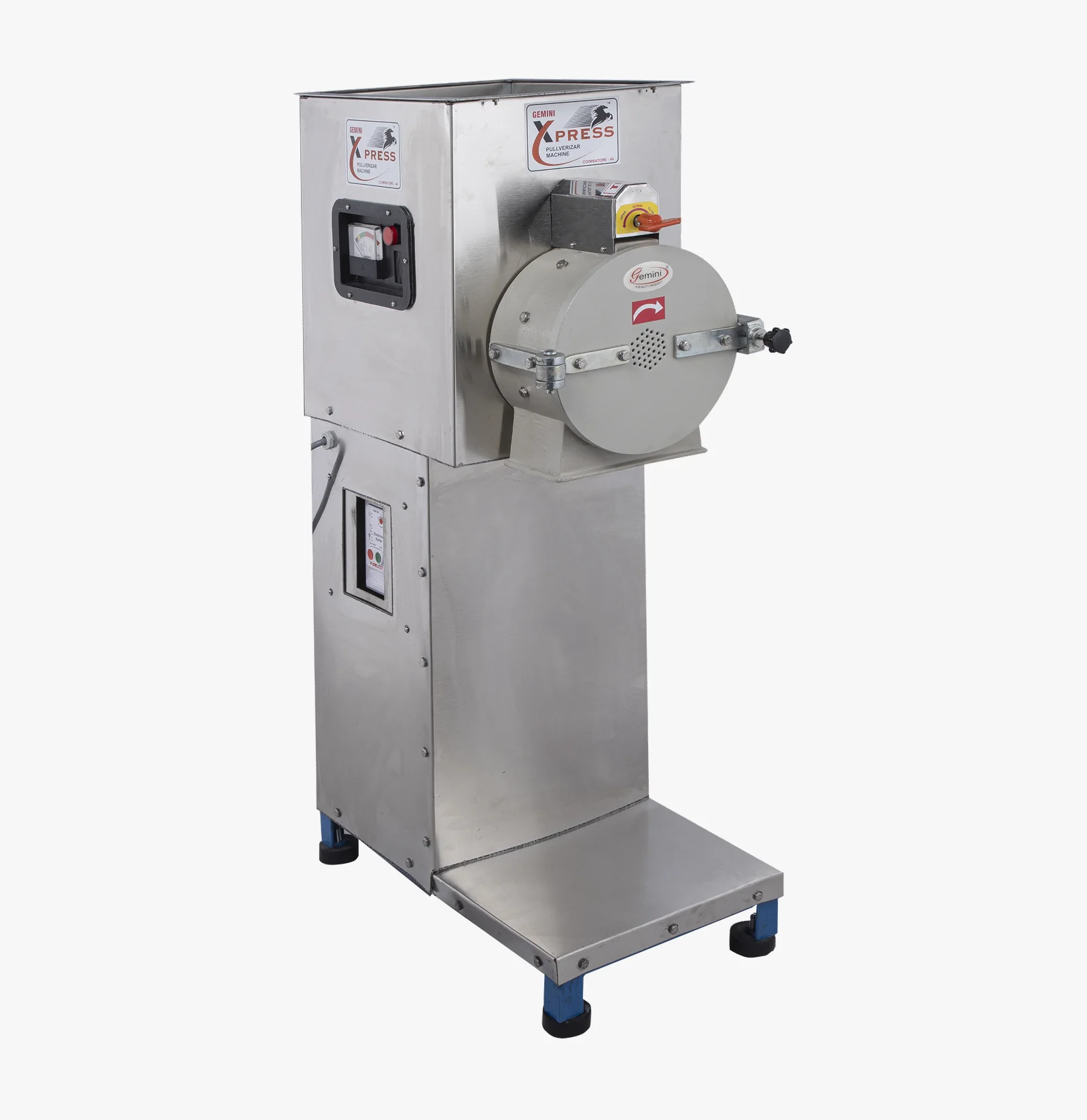
How to Choose a Flour Mill Machine for Efficient Grain Processing
Flour milling is an important process in food production, retail, and commercial grain processing. Having suitable equipment can help users process grains efficiently while maintaining a consistent workflow. Selecting the right Flour Mill Machine requires consideration of factors such as capacity, grain type, power requirements, construction, maintenance, and intended usage.
Understanding Flour Milling Requirements
Different users have different flour production requirements. A small shop or commercial kitchen may need compact equipment, while a larger food-processing operation may require a machine designed for higher production volumes.
Before purchasing milling equipment, it is useful to determine how much grain needs to be processed on a daily basis. Understanding expected production can help users select a machine with an appropriate capacity rather than choosing equipment that is significantly larger or smaller than required.
Importance of Machine Construction
The construction of a flour mill can influence durability, maintenance, and suitability for regular use. Machines designed with robust materials can be useful for applications where equipment is operated frequently.
For food-processing environments, the material used in areas that come into contact with grain is also an important consideration. A suitable construction can make routine cleaning and maintenance more manageable while supporting a hygienic processing environment.
Choosing the Right Capacity
Capacity is one of the most important factors when selecting milling equipment. The required capacity depends on the volume of grain that needs to be processed within a specific period.
Users should consider current production requirements as well as possible future expansion. Selecting a machine that matches the expected workload can help maintain an efficient workflow without unnecessarily increasing equipment or energy requirements.
Consider Motor and Power Requirements
The motor is a key component of a flour milling machine because it provides the power required for grinding. Motor capacity should be compatible with the machine's design and intended workload.
Before installation, users should check voltage, electrical requirements, and available power supply. Operating the machine within its recommended specifications can help support reliable performance and reduce avoidable operating problems.
Grain Compatibility
Different grains can have different milling characteristics. Depending on the machine design, flour mills may be used for processing grains such as wheat and other suitable cereals.
It is important to check the manufacturer's specifications before using a particular grain. Understanding the machine's intended applications can help users select equipment that matches their processing requirements.
Maintenance and Cleaning
Regular cleaning and maintenance are essential for any food-processing machine. Grain particles and flour can accumulate around internal and external components, making routine cleaning necessary.
Operators should follow the manufacturer's recommended maintenance schedule and cleaning procedures. Components should also be inspected regularly for signs of wear, unusual vibration, or other operating issues.
Selecting a Reliable Machinery Supplier
Choosing a suitable supplier is an important part of purchasing industrial or commercial milling equipment. Buyers should review machine specifications, construction materials, production capacity, power requirements, installation needs, and after-sales support.
Gemini Motors & Machinery provides machinery solutions for flour milling and other food-processing applications. Reviewing the available equipment and discussing specific production requirements can help users identify a suitable machine for their intended operation.
Creating an Efficient Milling Setup
A well-planned milling setup should consider more than the machine itself. Workspace, grain storage, material movement, electrical requirements, cleaning procedures, and operator safety can all influence the overall efficiency of the operation.
Businesses should evaluate these factors before installing new equipment. Proper installation and regular maintenance can help the machine operate according to its intended specifications.
Supporting Consistent Flour Production
A suitable milling machine can become an important part of a food-processing or commercial grain-processing setup. By considering capacity, motor power, construction, grain compatibility, maintenance, and operating conditions, users can make a more informed equipment selection.
Whether the requirement is for a small commercial setup or a larger processing operation, choosing the appropriate Flour Mill Machine can help create a practical milling process suited to the user's production needs and working environment.

 English
 Arabic
 French
 Spanish
 Portuguese
 Deutsch
 Turkish
 Dutch
Dutch
 Italiano
 Russian
 Romaian
 Portuguese (Brazil)
 Bengali