


How Does Skin Glue Compare With Traditional Wound Closure Methods?
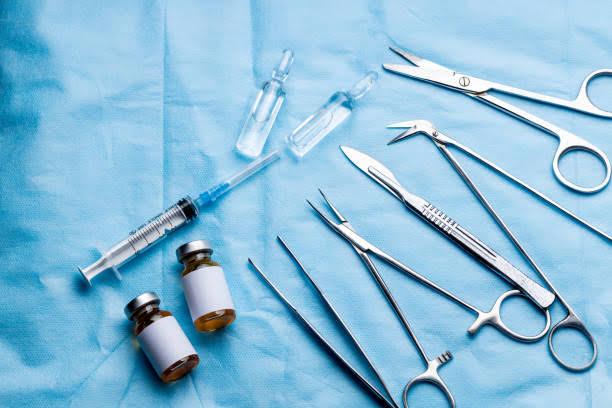
When a pet arrives at the clinic with a fresh cut, the veterinarian has more than one way to close it. Skin glue for cuts has become one of the most common choices for shallow, low tension wounds, but it is far from the only option on the table. Sutures and staples have closed animal wounds for decades, and each method still has a place in modern veterinary practice. Understanding how these approaches differ, and why a veterinarian might reach for one over another, helps pet owners feel more confident about the recommendation their vet makes and what to expect during recovery.
This article walks through how skin glue works, how it stacks up against sutures and staples, and the situations where each method tends to perform best.
What Is Skin Glue and How It Works
Skin glue is a liquid adhesive applied along the edges of a wound to hold them together while the body heals underneath. Once applied, it sets within seconds and forms a flexible, protective seal over the incision or laceration.
The Science Behind the Adhesive
Most veterinary skin glue is made from a cyanoacrylate compound, the same family of chemistry used in many medical grade adhesives. When it contacts moisture on the skin, it polymerizes almost instantly, bonding the wound edges together and creating a barrier against bacteria and debris. Unlike a general purpose adhesive, this type of veterinary tissue adhesive is formulated specifically for use on living tissue, so it flexes with normal movement rather than cracking or becoming brittle.
The bond typically holds for five to ten days, roughly the same window a body needs to form its own initial healing bridge across a shallow wound. After that point, the glue naturally flakes away on its own as the skin underneath finishes closing.
Traditional Wound Closure Methods Overview
Before comparing adhesive to older techniques, it helps to look at what those techniques actually involve.
Sutures
Sutures remain the most versatile closure method available. A veterinarian threads suture material through the tissue in a specific pattern, drawing the wound edges together and holding them under controlled tension. Because the surgeon can adjust exactly how much tension each stitch bears, sutures work well across almost any wound depth, from a superficial skin cut to a multi layer surgical incision. The tradeoff is time. Placing sutures takes longer than applying glue or a stapler, and most suture types require a follow up visit for removal unless an absorbable material was used.
Skin Stapler
A skin stapler closes a wound by driving small stainless steel staples across the skin edges in rapid succession. Staples are prized for speed, since a surgeon can close a long incision in a fraction of the time hand suturing would take. They also distribute tension evenly along the wound line, which makes them a strong option for longer incisions or patients that need to be back on their feet quickly. Like non absorbable sutures, staples require a removal appointment once the wound has healed enough to hold on its own.
Skin Glue for Cuts vs Sutures: How They Compare
The most obvious difference between skin glue for cuts and sutures is speed and patient comfort. Glue application takes seconds and does not require needle penetration through the skin, which many animals tolerate better than the sensation of suturing, especially around sensitive areas like the face or paws.
Sutures, however, carry more load bearing capacity. A wound under real tension, such as a deep laceration or a surgical incision through muscle, needs the mechanical strength that stitched material provides. Glue simply is not designed to hold tissue together under significant pull. This is why veterinarians reserve adhesive for superficial, low tension wounds and continue to rely on sutures for anything deeper or under more stress.
Recovery also differs. A glued wound needs no removal visit at all, since the adhesive sheds naturally, while many suture materials either dissolve internally over weeks or need to be taken out during a scheduled recheck.
Skin Glue vs Skin Staplers: Speed and Convenience
Skin glue and a skin stapler both prioritize speed over sutures, but they solve slightly different problems. A stapler is built for long, straight incisions where consistent tension across the entire line matters, such as an abdominal surgery site. Glue is better suited to short, irregular, or curved wounds where placing staples evenly would be difficult.
Comfort is another point of contrast. Staples sit above the skin surface and can occasionally catch on bedding or a cone collar, causing mild irritation until removal. A glued wound lies flat against the skin with nothing protruding, which tends to be less bothersome for pets during the healing period. On the other hand, staples hold firm even in areas with more skin tension, something adhesive alone cannot reliably manage.
When Surgical Glue Is the Right Choice
Surgical glue tends to work best under a specific set of conditions. The wound should be clean, relatively shallow, and free of significant tension once the edges are brought together. Small lacerations, minor incision closures, and post surgical skin lines on calm, low activity patients are all good candidates.
Surgical glue is generally not appropriate for deep wounds, heavily contaminated injuries, areas that flex constantly such as joints, or any incision under noticeable tension. Applying adhesive in these situations risks the bond failing before the tissue has properly healed, which can lead to reopening and a second procedure. A veterinarian will always assess wound depth, location, and contamination level before deciding whether glue, sutures, or staples offer the safest path to healing.
The Role of Veterinary Surgical Instruments in Proper Wound Closure
Regardless of which closure method is chosen, the outcome depends heavily on the quality and condition of the veterinary surgical instruments used to prepare and close the wound. Proper wound edge debridement, precise instrument handling, and a sterile field all influence whether a closure, adhesive or otherwise, holds up through the healing process.
Forceps, scissors, and needle holders each play a specific role in preparing a wound before any adhesive or suture is applied. A clean, well approximated wound edge gives skin glue the best possible surface to bond, just as it gives a suture line or staple row the best chance of healing without complication. This is one reason experienced surgical teams treat instrument care and technique as inseparable from the closure material itself, rather than as a separate consideration.
Aftercare and Healing Expectations
Aftercare varies somewhat depending on the closure method, but a few principles apply across all three.
Keeping the area dry for the first several days supports healing regardless of whether the wound was closed with glue, sutures, or staples. Pet owners should watch for redness, swelling, discharge, or a foul odor, all of which can signal infection and warrant a call to the veterinarian. An Elizabethan collar or similar barrier is often recommended to prevent licking or chewing, since repeated contact can loosen adhesive early or irritate a suture or staple line.
Glued wounds typically need the least hands on care, since there is no bandage or removal appointment involved in most cases. Sutured and stapled wounds may require a bandage change or two along with a scheduled recheck to confirm healing progress and remove the material once it is no longer needed.
Making the Right Choice for Your Pet
There is no single best wound closure method for every situation. A shallow, low tension cut on a calm pet is often an ideal case for skin glue for cuts, offering a fast, low stress closure with minimal aftercare. A deeper wound, a longer incision, or a highly active patient may call for sutures or a skin stapler instead, where mechanical strength matters more than speed.
Gexfix International Corp., in partnership with Assut Europe S.P.A., supplies veterinary grade skin adhesive alongside a full range of sutures and disposable staplers, giving veterinary teams the flexibility to match the closure method to the wound rather than the wound to whatever happens to be on hand. Explore the full range of wound closure options at medicaldevicevet.com.
FAQs
Q: Is skin glue as strong as stitches for closing a wound?
A: No. Skin glue works well for shallow, low tension wounds but does not offer the same holding strength as sutures. Deeper wounds or incisions under tension typically need stitches or staples for a reliable, lasting closure.
Q: How long does veterinary skin glue take to fall off?
A: Most veterinary skin adhesive naturally flakes away within five to ten days as the underlying skin finishes healing. No removal appointment is usually needed, unlike with sutures or staples.
Q: Can skin glue be used on any type of wound?
A: Skin glue works best on clean, shallow wounds with edges that come together easily under little tension. Deep, contaminated, or high tension wounds usually require sutures or staples instead.
Q: Do staples hurt more than skin glue for pets?
A: Staple placement can cause brief discomfort during application, though most pets tolerate it well under sedation or local anesthesia. Skin glue involves no needle penetration, which some pets find less stressful overall.
Q: How do I know if my vet will use glue, stitches, or staples?
A: The veterinarian bases the decision on wound depth, location, tension, and contamination level. They will explain which method suits your pet's specific wound and what aftercare to expect during healing.

 Arabic
 French
 Spanish
 Portuguese
 Deutsch
 Turkish
 Dutch
Dutch
 Italiano
 Russian
 Romaian
 Portuguese (Brazil)
 Greek
Greek
 Bengali