


Industrial Washing Machine Suppliers in UAE: A Practical Buying Guide for Commercial Laundry Operations
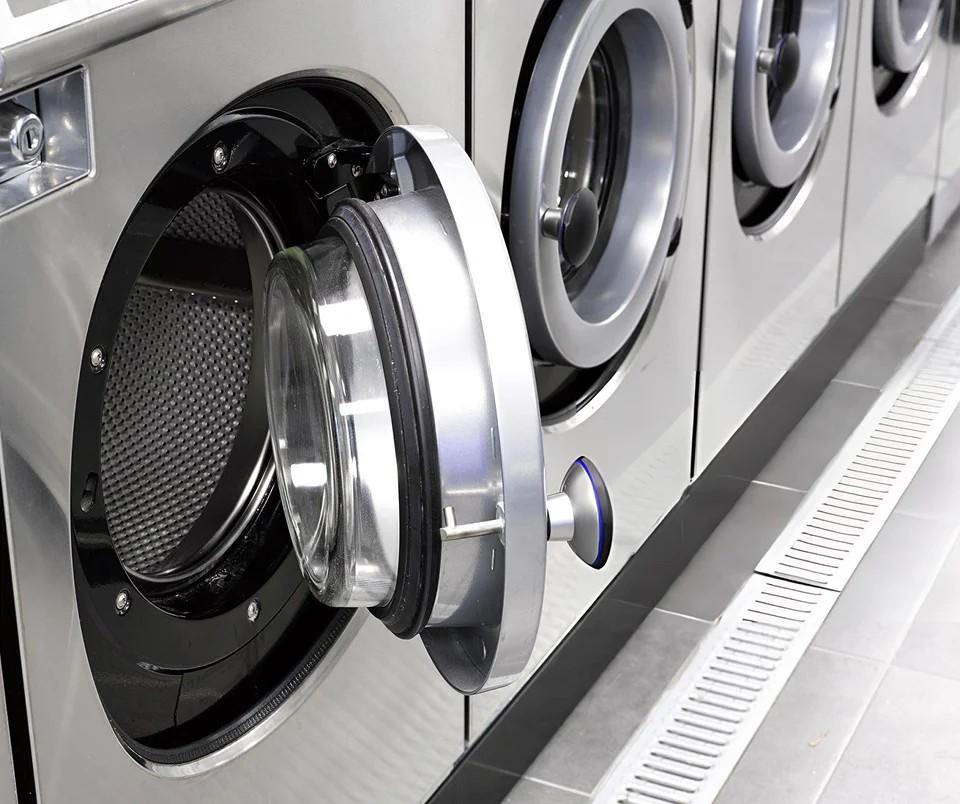
Choosing the right industrial washing machine is an operational decision, not simply a purchase. Hotels, hospitals, universities, garment manufacturers, commercial laundries and industrial facilities need equipment that matches their workload, available utilities, space and hygiene requirements. The best Industrial washing machine suppliers in uae help buyers assess these factors before recommending a machine, rather than focusing only on capacity or price.
For many businesses, the decision also includes installation, operator training, spare parts and long-term technical support. This is why the question “Best AMC provider for commercial laundry equipment in UAE” should be considered at the beginning of the buying process, not after a breakdown occurs. A reliable annual maintenance contract, or AMC, can support preventive servicing and help identify problems before they interrupt production.
Supershine Laundry supports businesses looking for commercial and industrial laundry equipment in the UAE by helping them evaluate machinery according to application and operating demands. The right Industrial washing machine suppliers in uae should offer practical guidance from equipment selection through installation and after-sales service.
What to Assess Before Buying
Before contacting suppliers, prepare a clear operating profile. This allows the supplier to recommend equipment based on actual requirements instead of assumptions.
1. Daily laundry volume
Estimate the total weight of laundry processed each day and identify busy periods. A hotel may experience higher loads during peak occupancy, while a hospital may require consistent processing throughout the week.
Do not size a machine only for the average daily load. Consider:
-
Number of operating hours.
-
Expected peak-day volume.
-
Number of wash cycles per day.
-
Available staff and shift patterns.
-
Planned business growth.
-
Time required for loading, unloading and reprocessing.
A machine that is too small may require excessive cycles and overtime. One that is too large may operate inefficiently when loads are consistently underfilled.
2. Type of laundry
Different textiles and soil levels require different wash programmes. Bed linen, towels, uniforms, kitchen cloths, healthcare textiles and industrial workwear may need different temperatures, chemical dosing and extraction settings.
Discuss the following with the supplier:
-
Fabric types and colour separation.
-
Degree of soil and stain levels.
-
Required disinfection or hygiene procedures.
-
Chemical compatibility.
-
Whether delicate and heavy-duty programmes are needed.
-
Whether the operation requires customised wash formulas.
A programmable industrial washer can help operators select repeatable cycles, but the programme must still be configured correctly for the laundry being processed.
3. Available utilities and installation conditions
Industrial laundry machines require suitable water, drainage, electrical supply and ventilation arrangements. Before ordering, confirm the site’s:
-
Electrical phase, voltage and connected load.
-
Water pressure and inlet size.
-
Hot-water availability.
-
Drainage capacity.
-
Floor strength and machine footprint.
-
Access routes for delivery and future removal.
-
Space for loading, unloading and maintenance access.
Installation constraints are particularly important in existing hotels, hospitals and commercial laundry rooms. A machine may fit within the room but still be difficult to service if there is insufficient clearance around it.
Understanding Machine Types
A supplier should explain which washer design suits your building, volume and workflow.
Washer-extractors
A washer-extractor combines washing and high-speed spinning in one machine. The extraction stage removes a significant amount of water before drying, which can reduce dryer workload and improve workflow.
These machines are commonly considered for hotels, hospitals, commercial laundries, educational institutions and industrial sites. Selection should include drum capacity, extraction performance, programmable controls, loading design and installation requirements.
Barrier or pass-through washers
Barrier washers are designed to separate the loading side from the clean side. This arrangement can support cleaner workflow separation in facilities with specific hygiene zoning requirements, such as healthcare or high-volume institutional laundry operations.
The building layout must be planned carefully because these machines generally need access from two sides and may involve more complex installation.
Industrial laundry systems
High-volume operations may need more than a washing machine. A complete setup can include dryers, flatwork ironers, garment finishing equipment, folding systems, trolleys and chemical dosing systems.
Supershine Laundry can help businesses consider the equipment as a complete workflow. This is important because a high-capacity washer will not solve bottlenecks caused by insufficient drying, finishing or folding capacity.
Important Technical Factors
Capacity and load control
Rated capacity is normally stated by weight, but actual performance depends on correct loading. Overloading can restrict mechanical action and rinsing, while underloading may waste water and energy per kilogram of laundry.
Ask suppliers how the machine handles different load sizes and whether the controls allow flexible programming. Operators should also receive clear loading instructions.
Extraction speed
Extraction speed affects how much water remains in textiles after washing. Higher extraction can reduce drying time, but the correct setting depends on fabric type and textile construction.
Do not compare machines using speed alone. Ask about the machine’s extraction performance, suspension system, vibration control and suitability for the intended fabrics.
Controls and programmable cycles
Commercial laundry equipment should provide clear controls and repeatable programmes. Useful functions may include:
-
Adjustable wash temperature.
-
Programmable wash and rinse stages.
-
Variable extraction settings.
-
Automatic chemical dosing compatibility.
-
Error-code display.
-
Cycle data or operational monitoring, where available.
-
User access controls to prevent unauthorised changes.
A simple interface can reduce training time and help staff follow standard operating procedures.
Water, energy and chemical efficiency
Water and energy consumption influence operating cost over the life of the machine. Efficient operation does not mean choosing a specification without checking the full wash process. The machine should be matched to the laundry type, available utilities and selected programmes.
Ask for technical consumption information under relevant operating conditions. Also review:
-
Water levels and rinse options.
-
Heating method.
-
Motor and drive system.
-
Chemical dosing accuracy.
-
Heat recovery options, where applicable.
-
Maintenance needs for filters, valves and sensors.
Water-efficient operation is most useful when operators use correct load sizes and suitable programmes. Equipment guidance from the U.S. Environmental Protection Agency also highlights the importance of selecting the appropriate wash cycle and using efficient preset settings for commercial laundry equipment.epa
Why After-Sales Support Matters
Equipment selection is only one part of ownership. A supplier should explain what happens after delivery, including installation, commissioning, training, warranty handling, spare parts and technical support.
When comparing Industrial washing machine suppliers in uae, ask for written answers to these questions:
-
Who will install and commission the equipment?
-
Is operator training included?
-
Which spare parts are normally stocked?
-
How are service requests logged?
-
What are the response arrangements?
-
Are preventive maintenance visits available?
-
Does the supplier support the specific brand and model?
-
Are service reports provided after each visit?
These questions help distinguish a product seller from a long-term equipment partner.
Choosing the Right AMC Provider
An AMC is an agreement for planned maintenance and, depending on the contract, repair support. The best AMC provider for commercial laundry equipment in UAE is not necessarily the one offering the lowest annual fee. The stronger choice is the provider that offers clear scope, qualified technicians, appropriate spare-parts support and maintenance based on actual equipment usage.
A practical AMC should clarify:
-
Equipment covered by make, model and serial number.
-
Number and frequency of preventive visits.
-
Inspection points for washers, dryers and finishing equipment.
-
Whether labour is included.
-
Whether spare parts are included or billed separately.
-
Emergency call-out terms.
-
Exclusions and consumables.
-
Service documentation and recommendations.
-
Escalation procedures for repeated faults.
Preventive maintenance should reflect operating intensity. A machine running several shifts each day may need more frequent inspection than one used intermittently. Maintenance planning should also consider seasonal workload, because servicing during a quieter period can reduce disruption.americanlaundrynews
For washers, technicians may inspect door seals, bearings, suspension components, belts, valves, drainage, chemical connections, heating systems and safety interlocks. For dryers, checks may include lint filters, airflow, exhaust routes, heating components and temperature controls. The exact checklist depends on the equipment design.
Supershine Laundry can be considered when businesses want to discuss equipment selection and ongoing support together. Before signing, request a detailed AMC proposal rather than relying on general promises such as “full maintenance” or “complete support.”
Supplier Evaluation Checklist
A structured comparison makes procurement easier. Consider scoring each supplier against the same criteria:
A supplier should be willing to explain limitations as well as benefits. Transparent advice is especially important when a proposed system requires building modifications, additional utilities or changes to the laundry workflow.
Common Buying Mistakes
Businesses can avoid many problems by recognising common procurement errors:
-
Selecting capacity without calculating daily and peak workloads.
-
Ignoring dryer and finishing capacity.
-
Failing to check electrical and drainage requirements.
-
Choosing equipment based only on purchase price.
-
Assuming that warranty and AMC coverage are the same.
-
Not requesting operator training.
-
Overlooking service access around the machine.
-
Using unsuitable chemical formulas.
-
Failing to keep maintenance and fault records.
-
Buying equipment without considering future expansion.
A complete cost review should include installation, utilities, chemicals, labour, maintenance, spare parts, downtime risk and eventual replacement. This gives decision-makers a more realistic view of ownership.
Why Supershine Laundry Is Relevant
For hotels, hospitals, universities, commercial laundries and industrial facilities, Supershine Laundry offers a practical starting point for discussing commercial laundry equipment requirements in the UAE. The company can help buyers focus on application, workflow, installation conditions and service planning rather than choosing a machine by capacity alone.
When reviewing Industrial washing machine suppliers in uae, buyers should look for a supplier that can explain technical specifications in operational terms. Supershine Laundry can be included in that evaluation when a business needs equipment guidance together with maintenance planning and after-sales discussion.
The most suitable solution will depend on the site, laundry type, operating hours and required output. A responsible supplier should assess these factors before recommending a washer or complete laundry system.
Conclusion
The right industrial washing machine can improve workflow, consistency and operational control, but only when it is matched to the facility’s actual needs. Start with laundry volume, textile type, utilities, space and future demand. Then compare installation support, training, spare parts and AMC terms.
For businesses reviewing Industrial washing machine suppliers in uae, the best decision is usually the one supported by clear technical advice and dependable after-sales planning. Supershine Laundry can help organisations assess commercial and industrial laundry equipment with a practical focus on application, serviceability and long-term operation.
FAQs
1. What should I check before buying an industrial washing machine?
Check daily and peak laundry volume, textile types, operating hours, available space, electrical supply, water pressure, drainage and future expansion plans. Also confirm installation, training, spare-parts availability and maintenance support.
2. Is a washer-extractor suitable for a hotel or hospital?
A washer-extractor may suit hotels, hospitals and other institutional facilities when the machine’s capacity, extraction performance, programmes and hygiene workflow match the application. Hospitals may also need equipment and room layouts that support appropriate clean-and-dirty separation.
3. What should an AMC for laundry equipment include?
An AMC should clearly state the machines covered, preventive-visit frequency, inspection tasks, labour terms, spare-parts treatment, emergency support, exclusions and service documentation. Review the contract carefully instead of assuming all repairs are included.
4. How often should commercial laundry equipment be serviced?
Service frequency depends on machine design, operating hours, load intensity and manufacturer guidance. High-use equipment generally benefits from more structured preventive checks than lightly used equipment. Daily operator inspections should complement professional servicing.
5. How do I compare Industrial washing machine suppliers in uae?
Compare suppliers on equipment suitability, installation capability, technical advice, operator training, spare-parts support, service response, AMC terms and documentation. Choose the supplier that explains both the benefits and limitations of the proposed solution.

 English
 Arabic
 French
 Spanish
 Portuguese
 Deutsch
 Turkish
 Dutch
Dutch
 Russian
 Romaian
 Portuguese (Brazil)
 Greek
Greek
 Bengali