


Strengthening Warehouse Security With Smart Technology and Access Control
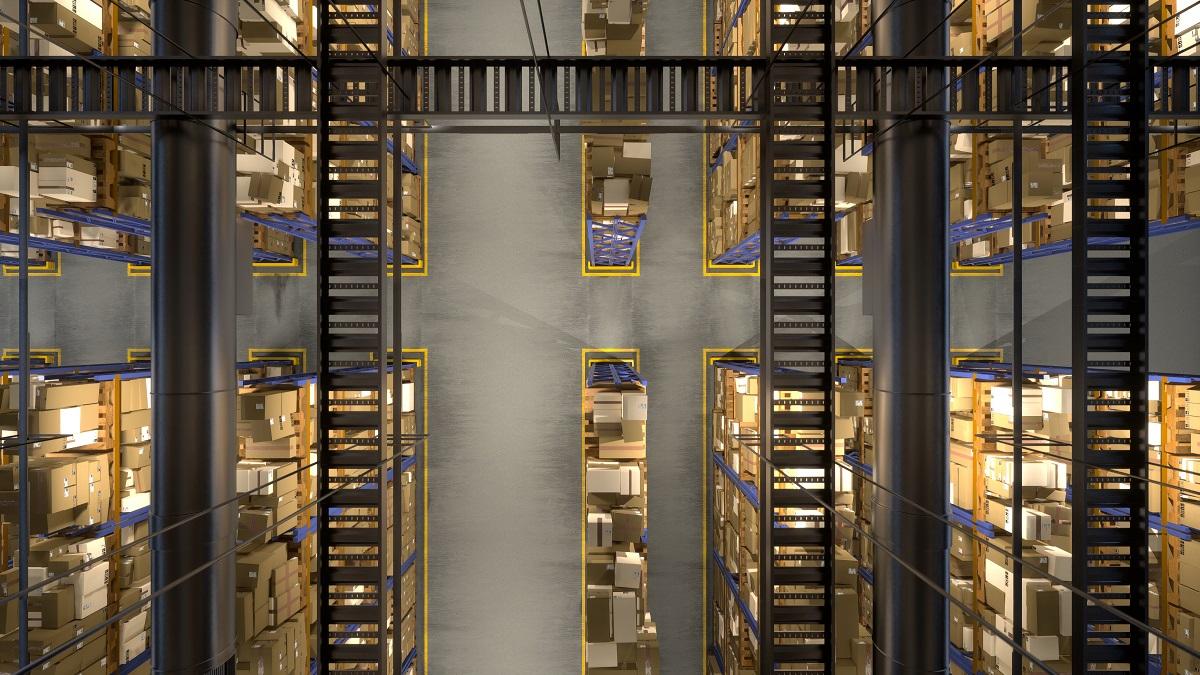
Warehouses are becoming more complex as businesses manage larger inventories, faster deliveries, multiple access points, and a growing number of employees, contractors, and vehicles. With so much activity taking place throughout the day, traditional locks and basic security cameras may not provide enough protection.
Modern warehouse security combines physical protection with smart technologies that can monitor activity, control access, identify unusual events, and support faster responses. Access control, video surveillance, smart sensors, alarm systems, and inventory monitoring can work together to create a more connected security environment.
A well planned security system is not only about preventing theft. It can also help businesses protect valuable stock, monitor restricted areas, identify unauthorised activity, and maintain useful records when an incident occurs.
Why Warehouse Security Needs a Modern Approach
Warehouses have several characteristics that make security challenging. Large floor areas, loading bays, multiple entrances, vehicle movement, storage zones, and frequent staff activity can create security gaps if they are not properly monitored.
A warehouse may also contain high value products that are attractive targets for theft. In some facilities, sensitive goods may be stored in specific areas that require additional protection.
Modern warehouse security therefore needs to cover different layers of the facility rather than relying on a single security measure.
These layers can include:
- Perimeter protection
- Controlled entrances and exits
- Video surveillance
- Smart access control
- Intrusion detection
- Inventory monitoring
- Security alarms
- Centralised monitoring
- Incident response procedures
Combining these measures can provide better visibility across the warehouse and help security teams respond to unusual activity more efficiently.
Smart Access Control for Better Warehouse Protection
Access control is one of the most important parts of a modern warehouse security strategy. Instead of allowing employees to use shared keys or unrestricted access cards, businesses can assign individual credentials based on roles and responsibilities.
Modern systems can use access cards, mobile credentials, biometric authentication, or other electronic identification methods.
This creates a record of who entered a particular area and when they entered it. Such records can be particularly useful when investigating missing inventory or suspicious activity.
Restricting Access to Sensitive Areas
Not every part of a warehouse needs the same level of protection. High value inventory, pharmaceutical products, electronics, confidential materials, and other sensitive goods can be stored in restricted areas.
Access permissions can be limited to authorised employees who require entry for their work.
This approach reduces unnecessary movement through sensitive areas and provides security teams with better visibility over who has access.
Managing Employee and Contractor Access
Warehouses may have temporary workers, contractors, delivery personnel, and visitors entering the facility.
A smart access control system can provide temporary or time limited credentials instead of relying on permanent access permissions. Once a contract ends or a visitor leaves, their access can be removed.
This helps businesses maintain greater control over who can enter different parts of the facility.
Using Video Surveillance as a Security Layer
Security cameras remain an important part of warehouse security, but modern surveillance systems can offer more than simple video recording.
Strategically positioned cameras can monitor entrances, loading bays, parking areas, storage aisles, perimeter zones, and other areas where security incidents may occur.
The goal should be to create useful coverage rather than simply installing a large number of cameras.
Monitoring Loading and Delivery Areas
Loading bays can be particularly busy areas because products, vehicles, employees, and delivery teams are constantly moving in and out.
Cameras can provide visibility over these activities and create a record of loading and unloading operations.
When video surveillance is combined with access records and inventory information, security teams can investigate unusual events using multiple sources of information.
Smart Video Analytics
Modern video systems can also incorporate analytics that help identify specific activities or unusual events.
Depending on the system, analytics may help detect movement in restricted areas, unusual activity outside normal operating hours, or other predefined events.
This can reduce the amount of footage that security teams need to review manually and help them focus on events that require attention.
Strengthening the Warehouse Perimeter
Warehouse security should begin outside the main building. A strong perimeter can make unauthorised access more difficult and provide an additional layer before someone reaches the main facility.
Perimeter protection can include:
- Secure fencing
- Controlled vehicle gates
- Security lighting
- Pedestrian access controls
- Perimeter cameras
- Motion detection
- Intrusion sensors
- Monitored entry points
These measures can work together to identify activity around the property.
For larger facilities, connecting perimeter sensors with a central monitoring platform can provide security teams with faster alerts when unusual activity is detected.
Smart Sensors and Intrusion Detection
Sensors can extend security monitoring into areas where cameras alone may not provide complete coverage.
Door sensors, motion detectors, glass break sensors, gate sensors, and other intrusion detection technologies can identify specific events and trigger alerts.
For example, a sensor on a restricted storage door could generate an alert if the door is opened outside approved hours.
Connecting these sensors with other security technologies can make the response more effective. A security team may be able to review the relevant camera feed and access record instead of investigating each system separately.
Protecting Inventory With Smart Tracking
Inventory security is closely connected to physical warehouse protection.
Businesses need to know what products are stored in their facilities, where those products are located, and when they move between different areas.
Technologies such as RFID, barcode systems, asset tracking platforms, and inventory management software can help create a digital record of product movement.
When inventory information is connected with security systems, unusual activity can become easier to identify.
For example, if an item moves from a restricted storage area without a corresponding authorised transaction, the event can be investigated more quickly.
Connecting Security Systems Into One Platform
One of the biggest advantages of modern technology is the ability to connect different security systems.
Instead of operating access control, cameras, alarms, and sensors as completely separate systems, businesses can integrate them through a central security platform.
This can help security teams view related information in one place.
For example, an unauthorised door opening could trigger an alert while simultaneously providing access to nearby camera footage. Security personnel can then check whether the event represents a genuine security concern.
Integration can also make incident investigations more efficient because different records can be reviewed together.
Improving Security at Warehouse Entrances
Entrances and exits should receive particular attention because they provide direct access to the facility.
A strong entrance security system can combine access control, surveillance, visitor management, and alarms.
Businesses should consider separating employee entrances from vehicle and delivery access where practical. Visitor access can also be controlled through registration procedures and temporary credentials.
Security teams should regularly review entrance activity to identify unusual patterns, repeated failed access attempts, or activity outside expected working hours.
Using Lighting as Part of Warehouse Security
Security technology works better when physical conditions support it.
Poor lighting around loading docks, parking areas, fences, gates, and building entrances can create visibility problems for both people and cameras.
Well positioned lighting can improve visibility and make it easier for surveillance systems to capture useful footage.
Lighting should be included as part of the overall warehouse security plan rather than treated as a separate facility management issue.
Creating a Practical Incident Response Process
Technology can detect and record security events, but businesses still need clear procedures for responding to them.
An incident response plan should explain what employees and security teams should do when an alarm, access violation, theft, or intrusion is detected.
The plan can include:
- Identifying the type of incident
- Confirming the alert
- Notifying the appropriate security personnel
- Reviewing relevant camera footage
- Checking access and inventory records
- Securing the affected area
- Recording the incident
- Escalating the situation when required
Regular testing can also help employees understand their responsibilities before a real incident occurs.
Training Employees to Support Warehouse Security
Technology cannot replace employee awareness.
Workers should understand basic security procedures, including access rules, visitor policies, reporting requirements, and the correct use of security equipment.
Employees should also know how to report suspicious behaviour, missing products, damaged security equipment, or unusual access activity.
Regular training can help create a security focused workplace where employees understand that protecting inventory and facilities is part of their everyday responsibilities.
Reviewing and Updating Security Systems
Warehouse security requirements can change as businesses expand, introduce new products, change layouts, or increase staffing levels.
A security system that was suitable several years ago may no longer provide sufficient coverage.
Regular security reviews should examine:
- Camera coverage
- Access permissions
- Perimeter protection
- Alarm systems
- Inventory controls
- Lighting
- Visitor management
- Security response procedures
Businesses can use these reviews to identify weak points and determine where additional technology or procedural improvements may be required.
Key Benefits of Smart Warehouse Security
A connected security strategy can provide several practical benefits for warehouse operators.
Better Visibility
Security teams can gain a clearer view of activity across entrances, storage areas, loading bays, and perimeter zones.
Faster Detection
Smart sensors, alarms, access controls, and video analytics can help identify unusual activity sooner.
Improved Access Management
Individual credentials and restricted zones can help control who enters sensitive areas.
Stronger Incident Investigations
Access records, video footage, alarm information, and inventory data can provide useful evidence after an incident.
Better Inventory Protection
Tracking systems can provide greater visibility over the movement and location of valuable products.
More Efficient Security Operations
Integrated platforms can reduce the need to manually check multiple disconnected systems.
Conclusion
Modern warehouse security requires more than a lock on the door or a few cameras around the building. Businesses can build stronger protection by combining smart access control, surveillance, perimeter security, intrusion detection, inventory tracking, and clear incident response procedures.
The most effective approach is to treat these technologies as connected parts of one security strategy. When access records, video footage, alarms, sensors, and inventory information can work together, security teams gain better visibility and can respond to incidents more efficiently.
As warehouses become more connected and operational demands continue to grow, businesses should regularly review their security measures and adapt them to changing risks. Resources and industry insights from security journal americas can also help organisations stay informed about developments in modern security practices and technologies.Frequently Asked Questions
What is warehouse security?
Warehouse security refers to the combination of physical measures, technology, procedures, and employee practices used to protect a warehouse, its inventory, equipment, and restricted areas from theft, intrusion, and other security risks.
How does access control improve warehouse security?
Access control allows businesses to determine who can enter specific areas. Individual credentials can also create records showing when authorised users entered or exited different parts of a facility.
What security technologies are useful in warehouses?
Common technologies include access control systems, security cameras, video analytics, intrusion detection sensors, alarms, RFID, barcode systems, asset tracking, and centralised security monitoring platforms.
How can cameras help prevent warehouse theft?
Visible cameras can provide monitoring across important areas such as entrances, loading bays, storage zones, and parking areas. Recorded footage can also support investigations after a suspected theft or security incident.
Why is perimeter security important for warehouses?
Perimeter security creates an additional layer of protection before an intruder reaches the main building. Fencing, gates, lighting, cameras, and intrusion sensors can work together to identify unauthorised activity around the facility.
Can warehouse security systems be integrated?
Yes. Access control, video surveillance, alarms, intrusion detection, and inventory systems can be integrated through suitable platforms. This can help security teams correlate information from different systems during an incident.
How can businesses protect high value inventory?
High value goods can be placed in restricted storage areas with stronger access controls. Businesses can also use surveillance, inventory tracking, alarms, and regular access reviews to improve protection.
How often should warehouse security be reviewed?
Security should be reviewed regularly and whenever there are significant changes to the warehouse layout, inventory, workforce, operating hours, or security requirements. Reviews can help identify new vulnerabilities and outdated controls.

 English
 Arabic
 French
 Spanish
 Portuguese
 Deutsch
 Turkish
 Dutch
Dutch
 Italiano
 Russian
 Portuguese (Brazil)
 Greek
Greek
 Bengali