


How Smart Technology Can Make Residential Security More Practical
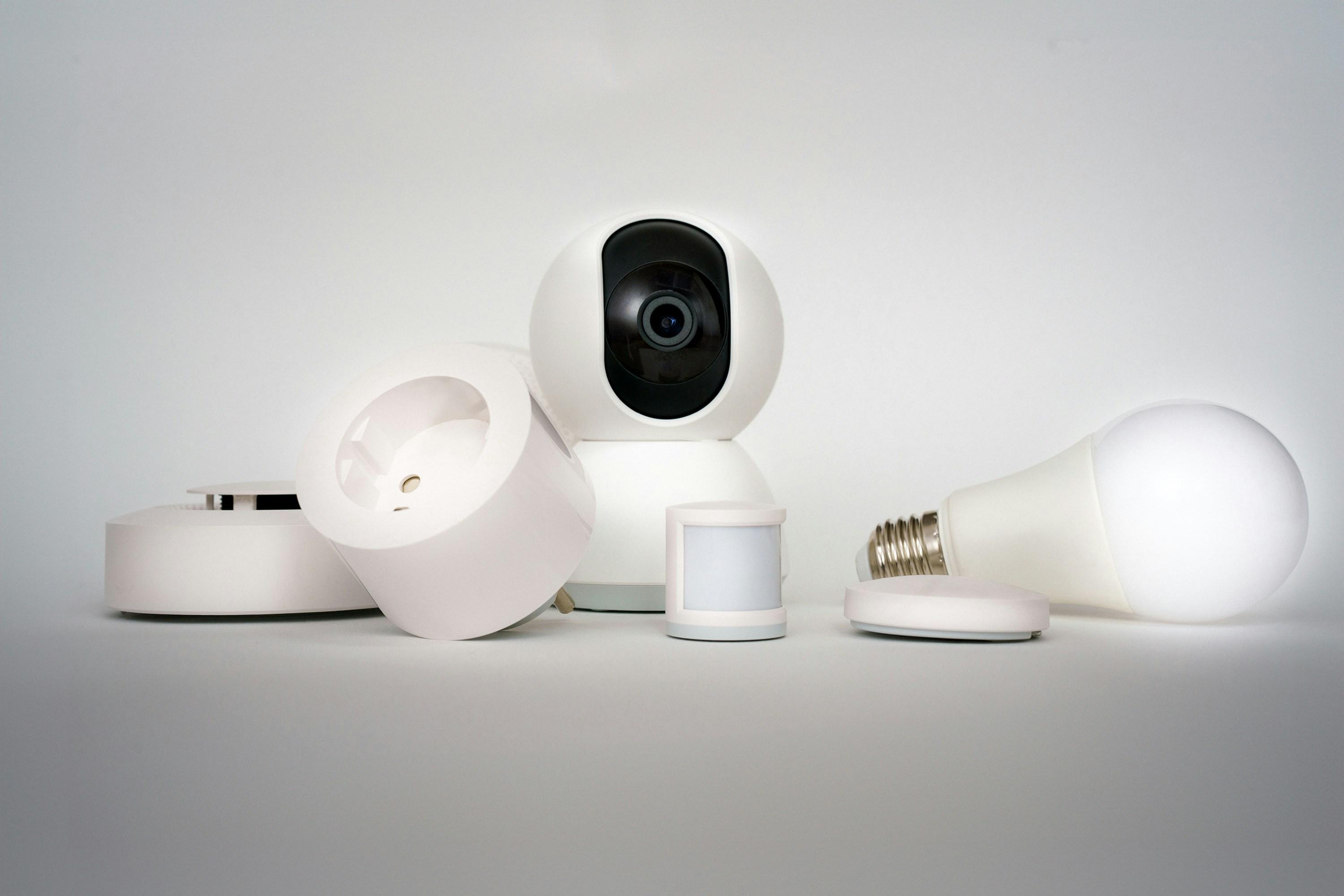
Home security has changed considerably with the growth of smart technology. Homeowners today have access to cameras, mobile alerts, remote monitoring, sensors, and intelligent detection tools that can make it easier to keep track of what is happening around a property.
But choosing the right technology isn't simply about buying the newest device. A useful security setup should match the home, cover important areas, and be simple enough to use consistently.
Start by Understanding Your Home
Every property has different security requirements.
An apartment may have only a few access points, while an independent house could have a front gate, driveway, garage, side entrance, balcony, and backyard.
Before choosing any equipment, it helps to walk around the property and identify areas that are difficult to see or monitor.
This simple exercise can make it easier to decide where cameras or other security devices would actually be useful.
The Role of Smart Cameras
Security cameras have traditionally been used to record activity around a property. That basic function is still valuable, but modern cameras can offer additional features.
Depending on the equipment, homeowners may be able to view cameras remotely, receive notifications, store recordings, or use intelligent detection features.
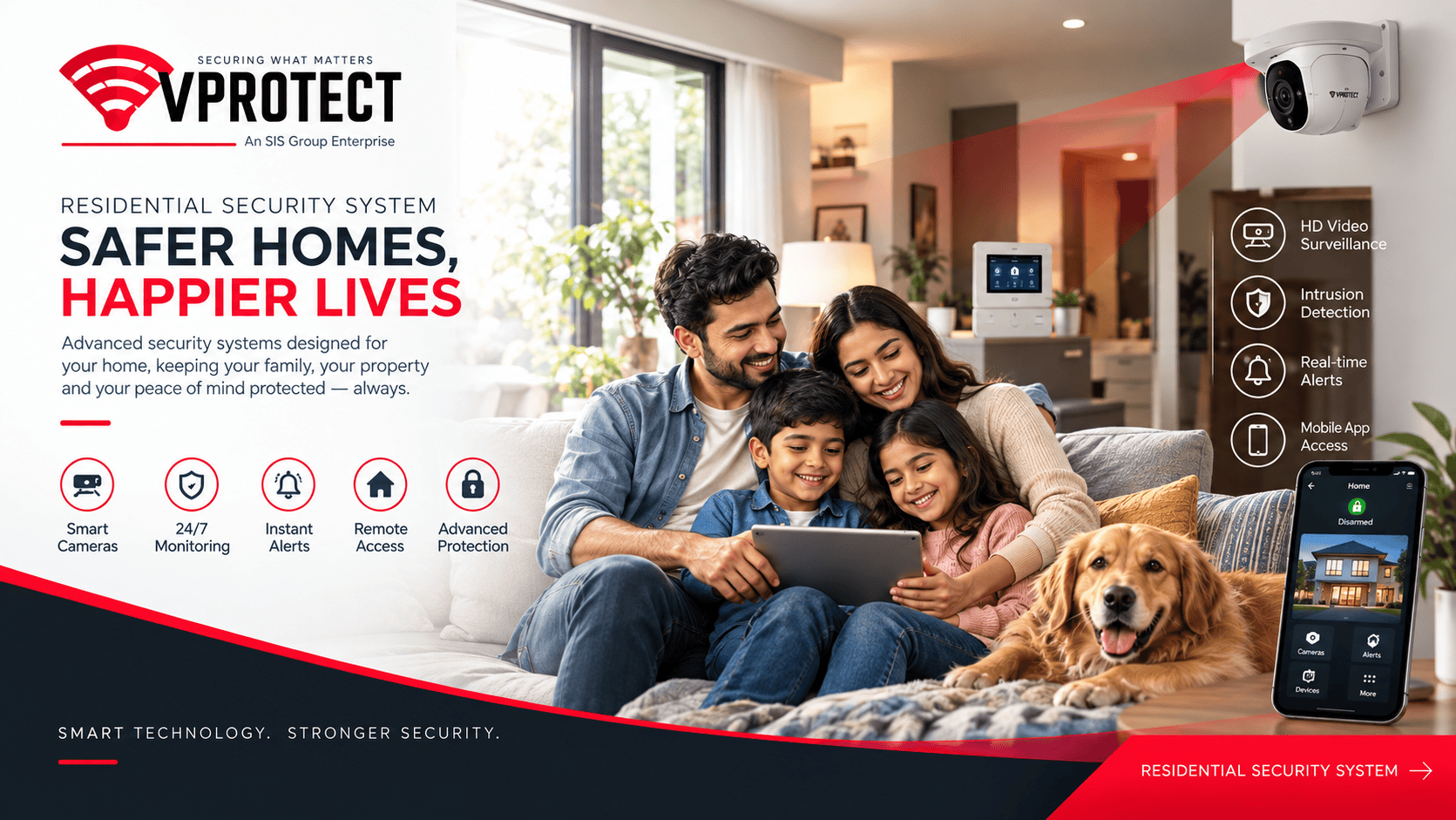
A Residential Security System can bring together surveillance technology and smart monitoring features to help homeowners keep track of activity around their property.
The features available will depend on the particular system, so it is important to understand the specifications before selecting one.
Why Intelligent Detection Can Be Helpful
One challenge with basic motion detection is that not every movement is important.
A pet walking through a garden, a vehicle passing nearby, or branches moving in the wind can potentially trigger an alert.
If a homeowner receives too many irrelevant notifications, important alerts may eventually receive less attention.
Intelligent detection can help analyse activity and make notifications more useful. Some systems can identify different types of activity, although the exact capabilities vary between products.
The goal isn't to create more alerts. It is to make the alerts that users receive more meaningful.
Remote Monitoring Adds Convenience
One of the biggest advantages of connected security technology is the ability to monitor a property remotely.
A homeowner may be at work, visiting family, or travelling for several days. Depending on the system, they can check available camera feeds or receive notifications through a connected device.
This can provide additional visibility without requiring someone to be physically present at home.
Remote access does require good digital security practices, however. Strong passwords and secure account settings should always be used.
Camera Placement Matters
A sophisticated camera won't be very useful if it is installed in an unsuitable location.
Important areas may include the main entrance, gate, driveway, garage, side entrance, or another location where access needs to be monitored.
Lighting should also be considered. Direct sunlight, shadows, and very dark areas can affect the quality of recorded footage.
Instead of installing cameras randomly, homeowners should first think about the areas where monitoring would provide the greatest value.
More Cameras Aren't Always Better
It can be tempting to assume that adding more cameras automatically improves security.
In reality, the quality of coverage matters more than the number of devices.
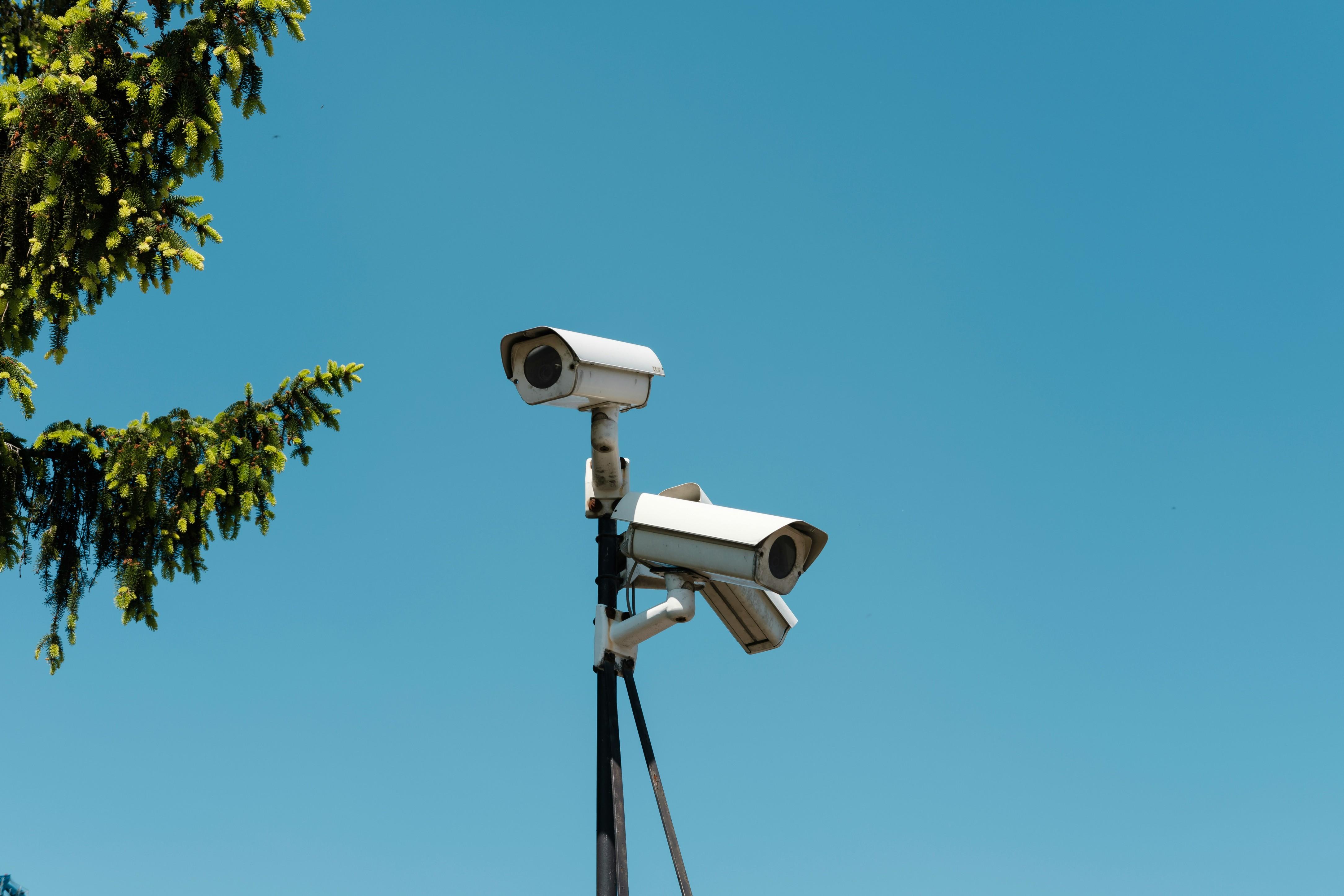
A few well-positioned cameras may provide useful visibility, while several poorly positioned cameras can still leave important blind spots.
The size and layout of the property should therefore influence the number and type of cameras selected.
Privacy Is Part of Good Security
Surveillance should always be used responsibly.
Homeowners should position cameras so that they primarily monitor their own property and avoid unnecessarily capturing private areas belonging to neighbours.
For homes located in shared communities or apartment buildings, privacy considerations can become even more important.
The purpose of security technology is to improve protection while respecting the privacy of people around the property.

Protecting the Security System
Smart security devices are connected technologies, so cybersecurity should not be overlooked.
Homeowners should use strong passwords, update device software, secure their Wi-Fi network, and enable available authentication features.
It's also worth reviewing who has access to the system. If a person no longer needs access, their account or permissions should be removed.
Physical security and digital security are increasingly connected, especially as more household devices communicate over the internet.
Don't Forget Traditional Security
Smart technology shouldn't replace basic security measures.
Strong doors and locks, secure windows, suitable outdoor lighting, and controlled access can still play an important role.
Smart cameras and intelligent detection can provide additional information, but they work best as part of a broader security strategy.
Combining physical protection with technology creates several layers rather than relying on a single device.
Choosing the Right Features
When comparing security systems, it is easy to become distracted by long lists of features.
Instead, think about what the property actually needs.
Does the home require remote monitoring? How many areas need cameras? Would intelligent activity detection be useful? How much video storage is required? Is the internet connection reliable enough for connected features?
Answering these questions can help homeowners avoid paying for features they may never use.
Maintenance Still Matters
Even a smart security system needs occasional attention.
Cameras should be checked to make sure they are clean and positioned correctly. Software updates should be installed when necessary, storage should be monitored, and notifications should be tested from time to time.
Security needs can also change as a property changes. A renovation, new entrance, additional parking area, or change in how an outdoor space is used may create a need for different monitoring.
A More Practical Approach to Home Security
The best security setup isn't necessarily the most complicated one.
A practical system combines the right equipment with thoughtful placement, sensible alert settings, good digital security, and regular maintenance.
Artificial intelligence and connected technology can make monitoring easier by helping homeowners understand activity instead of simply recording everything.
At the same time, traditional security measures continue to provide an important foundation.
Final Thoughts
Smart residential security gives homeowners more control over how they monitor their properties. Cameras, remote access, intelligent detection, and mobile alerts can make it easier to stay informed, even when you're away from home.
But technology should be selected according to the property's actual requirements.
Understanding the home's layout, identifying important access points, considering privacy, protecting connected devices, and maintaining the system are all part of creating a useful security setup.
As smart technology continues to develop, residential security will likely become increasingly focused on providing useful information without making everyday monitoring complicated.

 English
 Arabic
 French
 Spanish
 Portuguese
 Deutsch
 Turkish
 Dutch
Dutch
 Italiano
 Russian
 Romaian
 Portuguese (Brazil)
 Bengali