


Fake Challan Alerts: How to Spot a Fake Traffic Fine
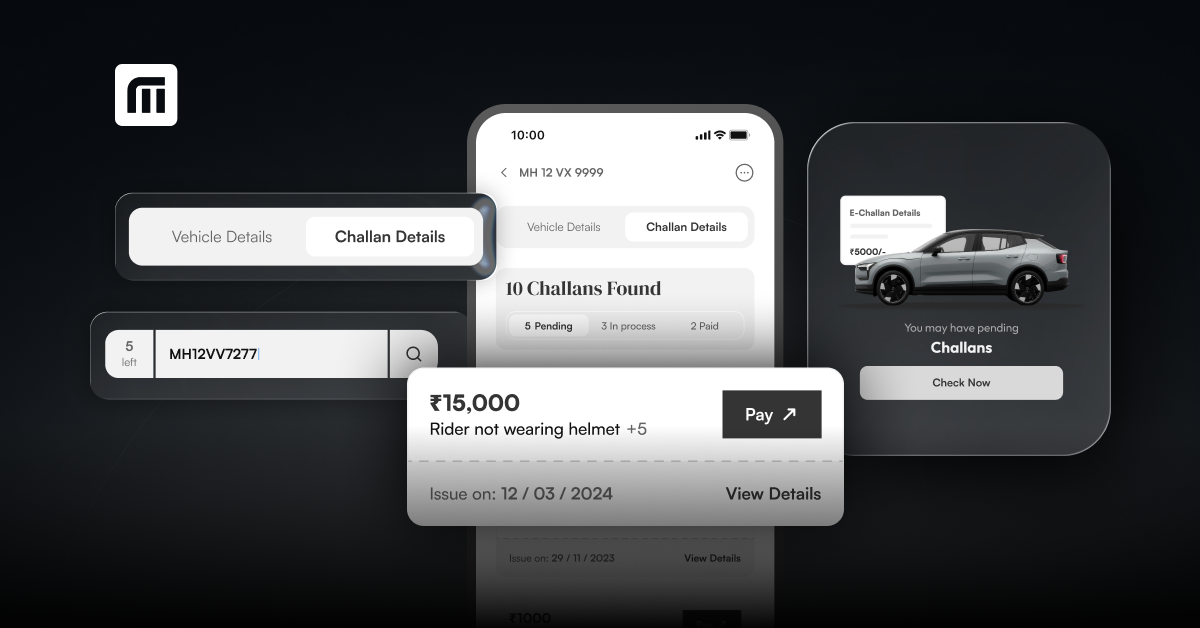
Getting a message saying that a traffic challan is pending can be worrying. A text or WhatsApp message may claim that your vehicle has been fined and ask you to click a link or make an immediate payment. But not every challan alert is genuine.
Fake challan messages are increasingly used in scams where fraudsters imitate traffic authorities, send payment links, or try to collect sensitive information. Before paying a fine, vehicle owners should verify whether the challan actually exists.
What Is a Fake Challan Alert?
A fake challan alert is a fraudulent message that falsely claims that a vehicle has an unpaid traffic fine.
These messages may include:
-
Your vehicle registration number
-
An alleged offence or fine amount
-
A deadline for payment
-
A link to a payment page
-
A warning about penalties or legal action
Including real-looking vehicle information can make these messages appear convincing.
How to Identify a Fake Challan Message
1. Don't Trust the Message Alone
Receiving an SMS or WhatsApp message does not automatically mean that you have an outstanding challan.
Instead of clicking the link in the message, independently check your challan status using a trusted vehicle-information service or the official government challan system.
2. Check the Website Address
Look carefully at the website before entering any information.
Scammers can create websites that look similar to legitimate government portals. A strange domain, unusual spelling, or shortened URL should be treated cautiously.
3. Be Careful With Urgent Payment Requests
Messages saying things like “pay immediately,” “your licence will be suspended today,” or “avoid legal action by paying now” are designed to create pressure.
Take a moment to verify the challan first.
4. Don't Share Sensitive Information
A suspicious payment page may ask for information that isn't necessary to simply verify a challan.
Avoid sharing passwords, OTPs, card PINs or other sensitive credentials with unknown websites or individuals.
How to Check Whether You Actually Have a Challan
The safest approach is to verify the information independently rather than using the payment link received in a message.
With MyMotor, vehicle owners can use the challan-checking service to look up available challan information associated with their vehicle. This can help you determine whether the fine mentioned in a message corresponds to an actual challan.
You can also use MyMotor to access other vehicle-related information and services, making it easier to keep track of different aspects of vehicle ownership in one place.
What If You Already Clicked a Suspicious Link?
If you clicked a suspicious challan link but did not provide any information, close the page and avoid interacting with it further.
If you entered banking information, passwords, OTPs, or other sensitive details, contact your bank or relevant service provider immediately and take appropriate steps to secure your accounts.
For suspected online financial fraud in India, users can also report incidents through the appropriate government cybercrime reporting channels.
Don't Let a Fake Challan Alert Rush You Into Paying
A traffic fine should be verified before payment. If you receive an unexpected challan message, don't let an urgent deadline or threatening language push you into clicking an unfamiliar link.
Check the challan independently, verify the vehicle details, and only proceed with payment through a trusted channel.
For vehicle owners who regularly need to check challans and other vehicle information, MyMotor Challan Check App brings several vehicle-related services together in one platform.

 English
 Arabic
 French
 Spanish
 Portuguese
 Deutsch
 Turkish
 Dutch
Dutch
 Italiano
 Romaian
 Portuguese (Brazil)
 Greek
Greek
 Bengali