


EPDM Rubber, NBR Rubber and SBR: Understanding Industrial Rubber Materials
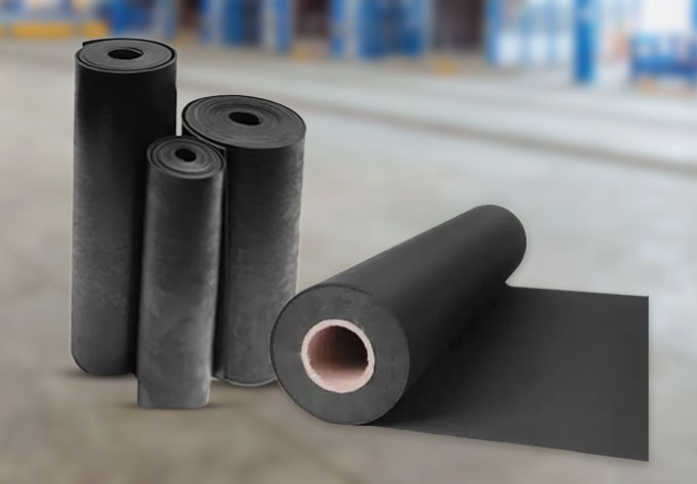
Rubber materials are used throughout modern manufacturing because they can provide flexibility, sealing, cushioning, vibration control and resistance to demanding operating conditions. However, not every rubber material performs in the same way. The right choice depends on factors such as temperature, chemical exposure, mechanical stress, weather conditions and the intended application.
Among the commonly used synthetic elastomers are EPDM rubber, NBR rubber and SBR. Each material has its own combination of physical and chemical properties. Understanding these characteristics can help manufacturers select an appropriate material for products such as sheets, gaskets, seals, hoses, profiles and moulded components.
For businesses working with industrial rubber products, choosing the right compound is an important part of achieving consistent product quality and service performance.
What Is EPDM Rubber?
EPDM rubber is a synthetic elastomer made primarily from ethylene, propylene and a diene component. The material is known for its strong resistance to weathering, ozone, moisture and many environmental conditions.
One of the major advantages of EPDM is its ability to maintain performance when exposed to outdoor environments. This makes it suitable for applications where rubber components may encounter sunlight, rain, humidity, ozone or changing temperatures.
EPDM rubber is commonly used in:
-
Automotive seals and weatherstrips
-
Gaskets
-
Roofing membranes
-
Rubber profiles
-
Hoses
-
Electrical insulation
-
Industrial sealing products
-
Water and steam-related applications
The final performance of an EPDM compound depends on its formulation, curing system, fillers and other additives. Different formulations can therefore be developed for different hardness, flexibility and resistance requirements.
What Makes EPDM Material Suitable for Outdoor Applications?
The properties of EPDM material make it particularly useful for applications exposed to environmental conditions. Its resistance to ozone and weathering allows it to remain functional in many outdoor applications where some other elastomers may deteriorate more quickly.
EPDM can also provide useful resistance to water and many polar substances. This contributes to its use in sealing and fluid-handling applications involving water, steam and selected chemicals.
Some important characteristics of EPDM material include:
-
Good weather resistance
-
Strong ozone resistance
-
Good resistance to water
-
Good resistance to ageing
-
Useful temperature resistance
-
Good flexibility
-
Electrical insulation properties
However, EPDM is not the ideal choice for every fluid or environment. Its resistance to petroleum-based oils and fuels is generally poor compared with NBR. Therefore, the application environment should always be considered before selecting an EPDM formulation.
What Is NBR Rubber?
NBR rubber, or nitrile butadiene rubber, is a synthetic elastomer widely used where resistance to petroleum-based oils and fuels is important.
NBR is produced using acrylonitrile and butadiene. The balance of these components influences properties such as oil resistance, flexibility and low-temperature performance.
NBR rubber is commonly found in:
-
Oil seals
-
O-rings
-
Gaskets
-
Hydraulic seals
-
Fuel-system components
-
Industrial hoses
-
Automotive components
-
Rubber moulded parts
One of the key advantages of NBR is its ability to provide good resistance to many oils and fuels. This makes it particularly useful in automotive, hydraulic and industrial applications.
Like EPDM, NBR can be formulated in different grades to achieve specific performance characteristics. Selecting the correct formulation is important because operating temperature, fluid exposure and mechanical requirements can vary significantly between applications.
How Are EPDM Rubber and NBR Rubber Different?
EPDM rubber and NBR rubber are both widely used synthetic elastomers, but their strengths differ.
EPDM is generally preferred for applications requiring resistance to weathering, ozone, water and outdoor exposure. NBR is commonly selected where resistance to oils and fuels is a major requirement.
|
Property |
EPDM Rubber |
NBR Rubber |
|
Weather resistance |
Excellent |
Moderate |
|
Ozone resistance |
Excellent |
Limited |
|
Water resistance |
Good |
Moderate |
|
Oil resistance |
Poor |
Good |
|
Fuel resistance |
Poor |
Good |
|
Outdoor applications |
Highly suitable |
Application-dependent |
|
Common uses |
Seals, profiles, hoses |
O-rings, oil seals, gaskets |
These are general material characteristics. Actual performance depends on the specific grade, formulation, curing system and operating environment.
What Is SBR?
SBR, or styrene-butadiene rubber, is another widely used synthetic elastomer. It combines useful mechanical properties with good abrasion resistance and versatility.
SBR has been used extensively in tyre manufacturing and is also found in various industrial rubber products. Its balance of properties makes it suitable for applications where general mechanical performance and wear resistance are important.
Common SBR applications include:
-
Tyre components
-
Rubber sheets
-
Conveyor products
-
Footwear
-
Flooring materials
-
Mats
-
General-purpose rubber products
Compared with NBR, SBR generally does not provide the same level of resistance to petroleum-based oils and fuels. Similarly, EPDM is generally more suitable than SBR for applications requiring strong resistance to ozone and outdoor weathering.
Why Is Rubber Sheet Material Selection Important?
Rubber sheets are used in industries for sealing, insulation, protection, cushioning and fabrication. The performance of a rubber sheet depends heavily on the elastomer and compound formulation used to produce it.
When selecting a rubber sheet, manufacturers and buyers should consider:
-
Required hardness
-
Thickness
-
Temperature range
-
Chemical exposure
-
Oil or fuel contact
-
Abrasion conditions
-
Weather exposure
-
Tensile strength
-
Elongation
-
Compression characteristics
-
Intended fabrication process
For example, an application involving outdoor exposure may require an EPDM-based sheet, while an application involving oil contact may require an NBR-based material.
Selecting the wrong rubber can lead to premature cracking, swelling, hardening, softening or loss of sealing performance.
What Should You Look for in Rubber Sheet Manufacturers?
Choosing suitable rubber sheet manufacturers involves more than comparing product prices. Manufacturers should be evaluated based on their ability to provide consistent material quality and compounds appropriate for the intended application.
Important factors to consider include:
Material Selection
A capable manufacturer should be able to work with different elastomers and recommend a suitable material according to the application.
Compound Consistency
Consistent formulation and controlled processing are important for maintaining uniform hardness, thickness, tensile properties and overall product performance.
Customization
Different industries may require specific thicknesses, hardness levels, dimensions or compound characteristics. Custom manufacturing capabilities can therefore be valuable.
Quality Control
Testing and quality checks help ensure that rubber sheets meet defined technical requirements before reaching the customer.
Application Knowledge
Understanding where the rubber sheet will be used allows manufacturers to recommend a material that is better suited to the operating environment.
How Does GB Gummi Approach Rubber Material Selection?
GB Gummi provides rubber material and compound solutions for industrial applications where performance, consistency and application suitability are important considerations.
Different products may require different elastomers. EPDM rubber can be considered for applications requiring weather, ozone and water resistance, while NBR rubber can be suitable for applications involving oils and fuels. SBR can serve a range of general-purpose applications where abrasion resistance and mechanical properties are required.
For rubber sheets and other industrial products, the correct formulation is just as important as the choice of base polymer. Factors such as hardness, reinforcement, curing system and additives can significantly influence the final properties of the material.
By considering the complete operating environment, manufacturers can develop rubber products that are better aligned with the requirements of the end application.
Which Rubber Material Should You Choose?
There is no single rubber material that is suitable for every industrial application. The correct choice depends on the conditions the product will experience during its service life.
EPDM material is generally associated with outdoor, weathering, ozone, water and steam resistance. NBR rubber is widely selected for oil and fuel-related applications. SBR offers useful abrasion resistance and general-purpose mechanical performance.
Before choosing a material, it is useful to identify the application's temperature range, fluid exposure, mechanical loads, environmental conditions and expected service life.
Conclusion
Understanding the differences between EPDM rubber, NBR rubber and SBR can help manufacturers make more informed material decisions. Each elastomer has distinct advantages, and the final performance depends on both the polymer and the complete compound formulation.
EPDM is widely used for weather-resistant and outdoor applications, NBR is valued for oil and fuel resistance, while SBR provides versatile performance for numerous general-purpose and abrasion-related products.
For rubber sheets, seals, gaskets, hoses and moulded components, working with experienced rubber sheet manufacturers and compound specialists can help ensure that the selected material matches the application's technical requirements.
GB Gummi supports industrial rubber requirements with material and compound solutions designed around application-specific performance needs.

 English
 Arabic
 French
 Spanish
 Portuguese
 Deutsch
 Turkish
 Dutch
Dutch
 Italiano
 Romaian
 Portuguese (Brazil)
 Greek
Greek
 Bengali