


Navigating UAE Media Laws: New Rules Podcasters Need to Know
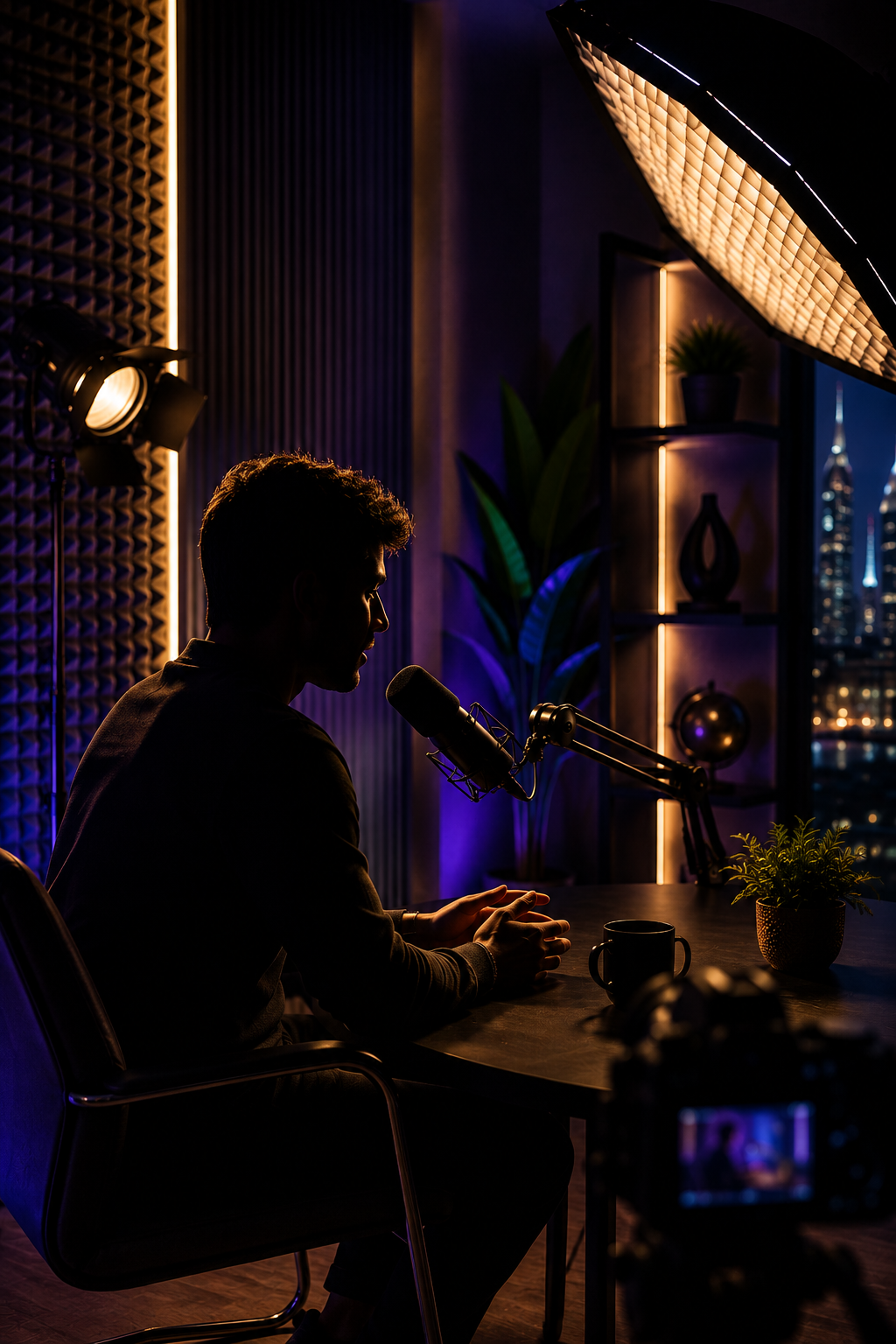
If you host a podcast in the UAE and any episode includes a sponsor mention, an affiliate link, or a brand partnership, a new set of rules now applies directly to you. Navigating UAE media laws used to be something only traditional broadcasters worried about, but Federal Decree-Law No. 55 of 2023 changed that by bringing podcasters, YouTubers, and social creators under the same licensing framework as television and radio.
What Federal Decree-Law No. 55 of 2023 Actually Covers
The law overhauled how the UAE regulates media and advertising activity across both traditional and digital platforms, replacing a patchwork of older rules with one unified framework. It introduced a tiered licensing system for anyone earning money through content published online, with enforcement details added later through a follow-up Cabinet Resolution. For podcasters, the practical effect is that promotional content is no longer treated as a personal opinion; it's treated as regulated advertising activity, regardless of how small the sponsorship is.
This matters even for creators who don't think of themselves as influencers. A single sponsored segment in an otherwise unpaid podcast can be enough to bring an episode into scope, because the rule is triggered by the activity itself, not by job title or follower count. Understanding this shift is the first real step in navigating UAE media law as a working podcast host rather than as a hobbyist.
The Advertiser Permit and What It Means for Your Show
Since the new framework took effect, anyone publishing paid or promotional content in the UAE has needed two things: a trade or freelancer license, and an Advertiser Permit issued by the relevant media authority. The permit is tied directly to the creator's social accounts; residents were given the first three years of the permit fee waived, and enforcement of the registration deadline landed at the end of January 2026 after being extended once already.
For a podcast specifically, this applies the moment an episode carries a paid mention, an affiliate link, or a branded segment, even if the podcast itself isn't your main source of income. Agencies and brands are also required to confirm that any creator they work with is properly licensed, so an unregistered host can cost a brand partner the deal as much as it costs them.
Practical Steps for Staying Compliant Without a Legal Team
Most independent podcasters don't have in-house legal support, which makes this feel more intimidating than it needs to be. A few habits keep most shows within the rules:
● Get a freelancer or trade license before your first paid partnership airs, not after
● Apply for the Advertiser Permit as soon as the trade license is issued, since the two are linked
● Keep a simple record of every sponsored segment and when the episode went live
● Disclose sponsorships clearly in the episode itself, not just in the show notes
None of these steps require a lawyer to complete, though a quick consultation with a business setup advisor is worth the cost once your show generates meaningful sponsorship revenue.
How Studios Like Gulf Podcast Studios Fit Into Compliance
A production studio can't file your paperwork for you, but a studio that's been through this transition with other clients tends to know what documentation sponsors and brands typically ask to see. Working with an established gulf podcast studio setup for your recordings also means your episodes carry consistent branding and disclosure formatting, which matters if a regulator or brand partner ever asks to review past episodes.
It's worth asking any studio you work with whether they've adjusted their own contracts and release forms to reflect the new rules, since a studio still using older paperwork templates may be missing disclosure language that protects you as much as them. This is also a reasonable question to raise with any guest release form you use, since a guest appearing in a sponsored episode may have disclosure obligations of their own if they promote the same product elsewhere.
Conclusion
Navigating UAE media laws is no longer optional paperwork you can put off until a brand deal forces the issue; it's now a standard part of running a podcast that earns any money at all. Get the trade license and Advertiser Permit sorted early, keep clear records of sponsored content, and treat disclosure as part of your episode structure rather than a legal footnote. If you're recording with a team like Gulf Podcast Studios, ask how their process supports that compliance rather than assuming it's entirely on you.
FAQs
1. Why is navigating UAE media law suddenly relevant to podcasters?
Because Federal Decree-Law No. 55 of 2023 brought paid online content, including podcasts, under the same licensing rules that used to apply mainly to television and radio broadcasters.
2. Do I need a license if my podcast doesn't make money yet?
If you're not running any sponsored segments, affiliate links, or paid promotions, you generally fall outside the Advertiser Permit requirement. The moment that changes, so does your obligation to register.
3. What happens if I publish sponsored content without the right permit?
Penalties can include fines, suspension of your permit application, or takedown requests on the content itself. Brands are also required to verify a creator's licensing status, so non-compliance can cost you partnerships as well.
4. Is the Advertiser Permit a one-time application?
No, it's renewable annually and tied to your active social accounts, so you'll need to keep it current as long as you continue publishing paid or promotional content.
5. Does a guest on my podcast need their own permit?
If the guest is separately promoting a sponsor or their own paid offer during the episode, that activity can fall under their own licensing obligation, independent of yours as the host.

 Arabic
 French
 Spanish
 Portuguese
 Deutsch
 Turkish
 Dutch
Dutch
 Italiano
 Russian
 Romaian
 Portuguese (Brazil)
 Greek
Greek
 Bengali