


Personal Protective Equipment in Construction: A Complete Guide to Safer Worksites
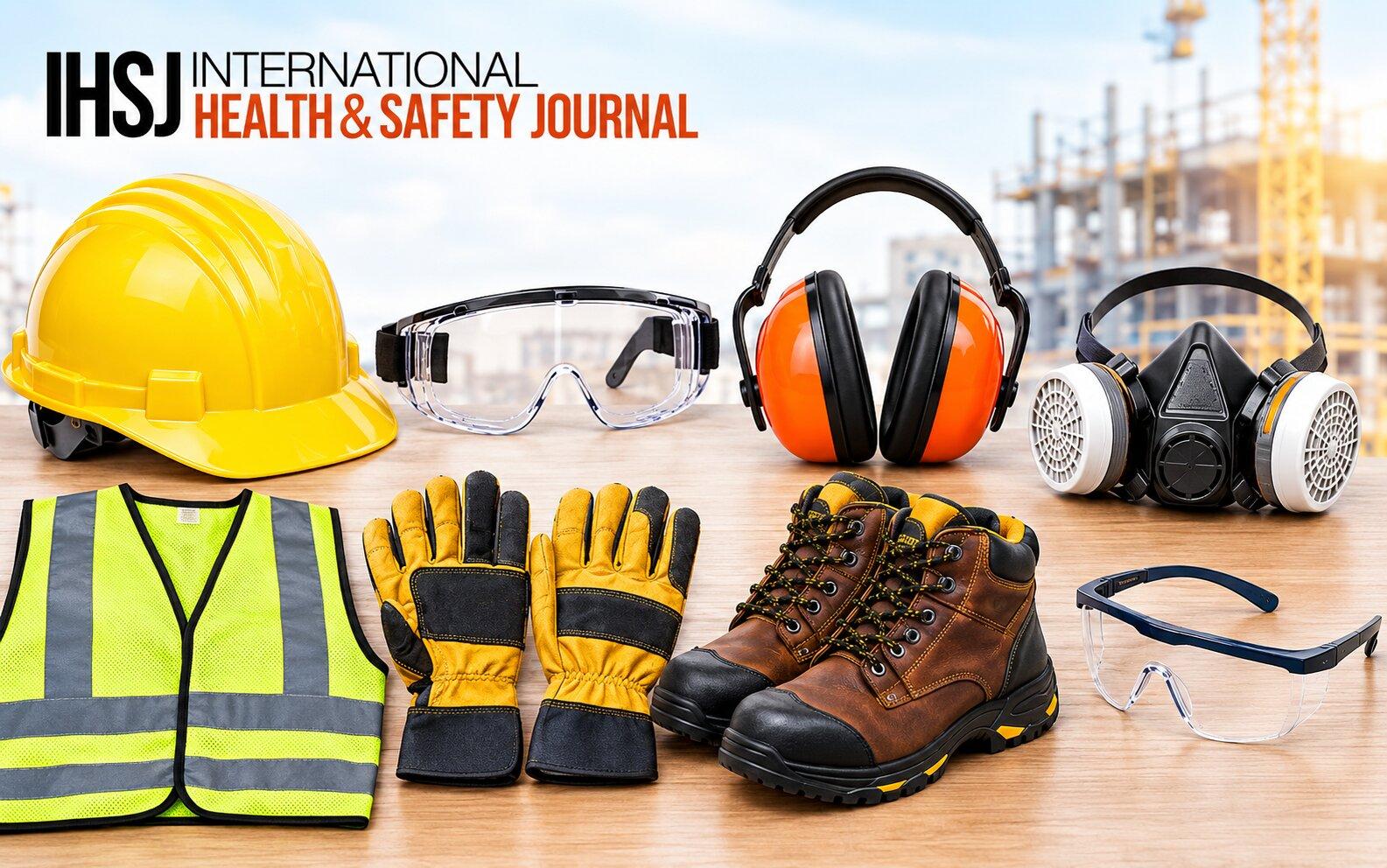
Construction sites involve many hazards, including falling objects, sharp materials, dust, chemicals, excessive noise, electrical risks and moving machinery. Because workers may encounter several hazards during a single shift, appropriate protective equipment is an important part of a wider workplace safety programme. Understanding personal protective equipment in construction helps employers and workers choose suitable protection for different tasks.
What Is Construction PPE?
Personal protective equipment includes clothing and equipment designed to reduce exposure to workplace hazards. Depending on the job, this can include hard hats, safety footwear, gloves, eye protection, hearing protection, high-visibility clothing, respiratory protection and fall-arrest equipment.
Personal protective equipment in construction should be selected according to the hazards identified through a workplace risk assessment. PPE should not be treated as the only safety measure. Employers should first consider eliminating hazards, using safer processes, installing engineering controls and applying appropriate administrative controls.
Head Protection
Construction workers can be exposed to falling tools, materials and debris. Hard hats can help protect the head from impact and, where appropriate, certain electrical hazards. Workers should select helmets that are suitable for the work environment and inspect them regularly for damage.
A damaged helmet should not continue to be used. Employers should also ensure that workers understand how to wear, adjust, inspect and maintain their head protection.
Eye and Face Protection
Dust, flying particles, sparks, chemicals and fragments can cause serious eye injuries. Safety glasses, goggles and face shields provide different levels of protection depending on the hazard.
For example, workers using cutting or grinding equipment may require eye protection designed to resist flying particles. When there is a risk of chemical splashes, suitable goggles or face protection may be necessary.
Hand Protection
Hands can be exposed to cuts, punctures, burns, chemicals, vibration and abrasion. Gloves should therefore be selected based on the particular task rather than simply providing workers with one general type of glove.
Using unsuitable gloves can create additional risks. Gloves should fit correctly and allow workers to handle tools safely.
Foot Protection
Construction environments often contain nails, sharp debris, uneven surfaces and heavy materials. Safety footwear can help protect against impact, penetration and slipping.
The appropriate footwear depends on the work being performed. Some tasks may require toe protection, slip-resistant soles or additional protection against specific workplace hazards.
Hearing Protection
Construction equipment such as drills, breakers, saws and heavy machinery can generate significant noise. Prolonged exposure to excessive noise can contribute to hearing damage.
Earplugs and earmuffs can reduce noise exposure when selected and used correctly. Noise assessments should determine whether hearing protection is required and what type is appropriate.
Respiratory Protection
Dust, fumes, vapours and other airborne contaminants can create respiratory hazards. Depending on the substance and exposure level, workers may require filtering facepieces, reusable respirators or supplied-air respiratory equipment.
Respiratory protection requires careful selection, maintenance and user training. Where tight-fitting respirators are used, appropriate fit testing may also be necessary.
Working at Height
Falls remain a major concern on construction projects. Workers using ladders, scaffolds, roofs or other elevated work areas may require fall-prevention or fall-arrest systems.
Personal protective equipment in construction for work at height can include harnesses, lanyards and suitable anchorage systems. However, employers should first consider whether the work can be completed without exposing workers to a fall hazard.
Training and Maintenance
PPE is effective only when it is appropriate, correctly fitted, properly maintained and used consistently. Workers should receive training explaining the hazards involved, the purpose of each item, correct fitting, inspection procedures and storage requirements.
Regular inspections should identify worn, damaged or contaminated equipment. Replacement schedules should also be established where equipment has a limited service life.
Building a Strong Safety Culture
PPE works best as part of a broader safety programme. Employers should combine hazard assessments, safe working procedures, training, equipment maintenance and worker communication.
For practical safety information and industry-focused guidance, International Health and Safety Journal provides a useful source for professionals interested in workplace risk management and occupational safety.
Conclusion
Personal protective equipment in construction can provide an important layer of protection against hazards that cannot be completely eliminated through other controls. The correct equipment depends on the task, environment and identified risks. When employers provide suitable PPE, maintain it properly and train workers in its correct use, they can strengthen workplace safety and support safer construction operations.

 English
 Arabic
 Spanish
 Portuguese
 Deutsch
 Turkish
 Dutch
Dutch
 Italiano
 Russian
 Romaian
 Portuguese (Brazil)
 Greek
Greek
 Bengali