


Exploring Materials, Technology and Comfort in Fire-Resistant Workwear
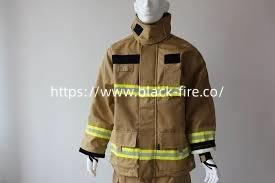
Selecting a suitable protective textile begins with understanding its material composition. Different fibers contribute different characteristics to a finished fabric, and the best choice depends on how the garment will be used. Carbonlene, aramid, pre-oxidized fibers, and blended yarns can each contribute to a textile's behavior under heat, flame, friction, or repeated movement. BlackFire's product range includes Carbonlene yarn as well as blended yarns that combine Carbonlene-related materials with aramid and pre-oxidized fibers.
Carbonlene can serve as an important base material for protective textile development, while aramid can contribute strength and resistance to demanding thermal environments. Combining materials can create a more balanced textile structure than relying on a single fiber. BlackFire describes its Carbonlene and aramid blended yarns as solutions intended to combine flame-retardant characteristics with improved mechanical properties, providing manufacturers with more options when developing protective clothing and other industrial textiles.
The fabric construction itself is equally important. Weaving, knitting, layering, brushing, and composite processing can change how a textile feels and behaves. A tightly woven fabric may be suitable where structural stability and abrasion resistance are important, while a knitted construction may offer greater flexibility and a softer hand feel. For workwear designers, the relationship between fiber and construction can influence how easily the finished garment moves with the wearer.
Purchasing should therefore begin with the working environment. Buyers can consider whether the clothing will be used for welding, industrial maintenance, firefighting support, chemical operations, high-temperature processing, or other demanding tasks. Each application can create different requirements for thermal protection, flexibility, abrasion resistance, moisture management, and ease of movement.
The garment itself should also be considered rather than evaluating fabric in isolation. Seams, closures, pockets, reinforcement areas, lining materials, and other components all influence the finished workwear. A fabric that performs appropriately as a material still needs to be compatible with the garment construction and production method. Early communication between the fabric supplier and clothing manufacturer can help prevent material choices from conflicting with the intended garment design.
Functional technology can extend beyond basic flame resistance. Composite fabrics may combine several material layers to address different environmental conditions. BlackFire's functional fabric range includes combinations involving Carbonlene, aramid, silicone, and aluminum foil, with different structures developed for specialized protective functions.
Layering is particularly useful when workwear needs to balance several requirements. An outer layer may provide resistance to flame and physical contact, while an inner structure can focus on comfort, moisture management, or thermal insulation. Air-layer textile structures can also create additional separation between the body and the outer surface. BlackFire presents Carbonlene, aramid, and polyester air-layer fabric as one example of a textile structure designed around protection and wearer comfort.
Surface treatments can provide another route for adapting textile performance. Silicone-based composite structures, for example, can influence flexibility, sealing, and environmental resistance while working together with the underlying textile. This type of technology allows manufacturers to develop fabrics for more specific applications instead of treating all protective workwear as a single category.
User experience should remain central to fabric selection. Protective clothing is worn by people who need to move, bend, reach, walk, and perform tasks efficiently. Excessive stiffness or poor fabric feel can make clothing uncomfortable and may interfere with normal work movements. For this reason, flexibility, softness, breathability, and garment weight should be considered together with protective characteristics.
Knitted structures can be useful when flexibility and comfort are important. BlackFire's knitted single-sided fleece fabric combines Carbonlene and aramid fibers in a knitted construction, illustrating how textile structure can be adjusted to provide a softer and more flexible material for protective applications.
Comfort also depends on the interaction between fabric and garment design. A breathable inner surface, appropriate seam construction, and carefully selected lining can improve the wearing experience. Protective workwear should allow users to focus on their tasks rather than constantly adjusting clothing that restricts movement or creates unnecessary discomfort.
Durability is another practical consideration. Industrial clothing can encounter repeated friction, folding, washing, handling, and contact with equipment. Buyers should therefore discuss the expected maintenance process with the fabric supplier. The appropriate combination of fiber, weaving or knitting method, finishing, and garment construction can help determine whether the textile is suitable for repeated occupational use.
Chemical and environmental exposure may also influence material selection. Some industrial work environments involve moisture, cleaning agents, oils, or other substances in addition to heat. BlackFire presents functional and general fabrics designed for demanding applications and describes material combinations intended to address different environmental requirements.
Design and appearance are increasingly relevant in professional workwear. Protective clothing does not need to sacrifice visual organization simply because it is designed for demanding environments. Color, surface texture, fabric structure, and garment detailing can influence how clothing looks while also supporting identification and workplace organization.
Visibility can be particularly useful in industrial and emergency environments. Color selection and garment design can help workers identify colleagues and distinguish different roles or work areas. BlackFire also offers specialized fabric designs, including printed and functional textiles, showing how protective materials can be developed with both practical and visual considerations in mind.
Customization can become important when standard textile products do not fully match a garment manufacturer's requirements. Buyers may need particular fiber combinations, fabric structures, finishing methods, or surface characteristics. Discussing these requirements with the material supplier at an early stage can help align fabric development with the final clothing design.
Quality control should also be considered during supplier evaluation. Protective textile quality depends on consistent raw materials, controlled spinning, weaving or knitting, finishing, inspection, and packaging. BlackFire states that it uses a textile quality-management process with inspection from incoming materials through finished-product release and operates laboratories and testing equipment for quality assurance.
For clothing manufacturers, communication about intended use is therefore essential. Information about the working environment, garment structure, maintenance process, desired comfort, and expected exposure conditions can help the supplier understand the application. This can also make it easier to determine whether a conventional woven fabric, knitted structure, blended textile, or composite material is more appropriate.
Zhejiang Taizhou BlackFire Technology Co., Ltd. focuses on fire-prevention and flame-retardant materials and offers a product portfolio covering Carbonlene yarn, Carbonlene fabric, functional fabrics, flame-retardant materials, and fireproof felt. Its product information also highlights applications involving protective clothing, firefighting, industrial safety, and other demanding environments.
For designers and purchasing teams, evaluating fiber composition, textile construction, functional technology, comfort, durability, maintenance, garment compatibility, and appearance provides a practical framework for selecting protective workwear materials. These factors can also help manufacturers communicate more clearly when developing workwear for specific occupational environments.
For more information about Zhejiang Taizhou BlackFire Technology Co., Ltd., its Carbonlene materials, functional fabrics, and protective textile solutions, visit https://www.black-fire.net/product/.

 English
 Arabic
 French
 Spanish
 Portuguese
 Turkish
 Dutch
Dutch
 Italiano
 Russian
 Romaian
 Portuguese (Brazil)
 Greek
Greek
 Bengali