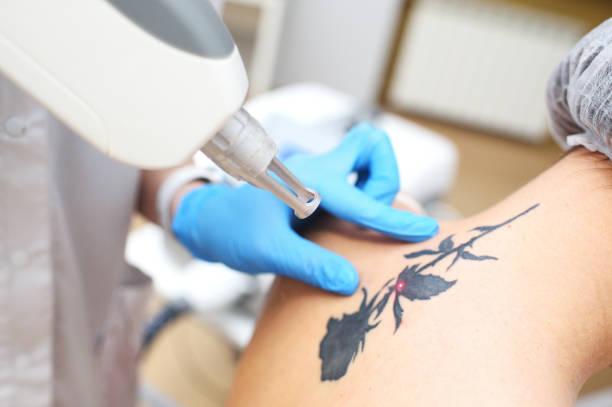
The depth at which tattoo ink sits within the skin is an important factor in determining how a tattoo responds to laser treatment. Although tattoos are designed to place pigment beneath the skin's surface, the exact distribution and depth of ink can vary from one tattoo to another. Understanding this factor can help explain why some tattoos require a longer treatment process. laser tattoo removal uses carefully selected laser energy to target tattoo pigment while considering the depth of the ink and the characteristics of the surrounding skin.
Where Tattoo Ink Sits in the Skin
During tattooing, pigment is introduced into the dermis, the layer of skin beneath the outer epidermis. The body cannot easily shed this pigment through normal surface skin renewal because it is positioned deeper within the skin.
However, tattoo ink is not always distributed at exactly the same depth. Variations can occur because of tattooing technique, needle penetration, skin characteristics, tattoo location, and the amount of pigment deposited.
Why Ink Depth Matters
Laser tattoo removal depends on delivering energy to the pigment that needs to be fragmented. When ink is distributed at different depths, treatment may require careful adjustment to address the remaining pigment effectively.
Deeper pigment may take longer to respond, particularly when it is densely concentrated. The practitioner must balance effective treatment of the ink with appropriate protection of the surrounding skin.
How Tattooing Technique Can Affect Ink Depth
The technique used when creating a tattoo can influence where pigment is deposited. Professional tattoos are generally created using equipment designed to place ink within the dermis, but variations in pressure, needle movement, and technique can affect pigment distribution.
Amateur tattoos may have more inconsistent pigment placement. As a result, some areas may contain pigment at different depths within the skin.
Ink Density and Depth Are Connected
A tattoo can contain pigment that is both deep and densely concentrated. When a large amount of ink is present, the laser may need to address substantial pigment over several treatment sessions.
As treatment progresses, the amount of remaining ink decreases. The appearance of the tattoo may gradually become lighter, but the process depends on how the remaining pigment is distributed and how effectively the body processes the fragmented particles.
How Laser Energy Reaches Tattoo Pigment
Laser tattoo removal uses short pulses of concentrated energy that are absorbed by tattoo pigment. The absorbed energy causes the pigment to break into smaller particles.
The laser wavelength and treatment parameters are selected according to the tattoo's characteristics. Different pigments absorb different wavelengths, and the depth of the ink is considered when determining an appropriate treatment strategy.
The objective is to target the unwanted pigment without unnecessarily affecting surrounding tissue.
Skin Type Also Influences Treatment Planning
Ink depth is only one part of the assessment. The patient's skin type and natural pigmentation are also important.
Melanin can absorb certain laser wavelengths, so treatment settings may need to be adjusted according to the individual's skin tone. This is especially important for people with higher levels of melanin, as inappropriate settings may increase the risk of temporary or persistent pigmentation changes.
A professional assessment helps account for both the tattoo's depth and the skin's characteristics.
Deep Ink May Require Multiple Sessions
Laser Tattoo Removal in Riyadh is generally performed over multiple sessions because the body needs time to process fragmented pigment after each treatment.
The laser breaks tattoo ink into smaller particles, but these particles are not simply removed from the skin immediately. The body's natural processes gradually clear them. Allowing appropriate time between sessions also gives the skin an opportunity to recover.
The number of sessions varies according to ink density, depth, color, tattoo size, location, skin type, and individual response.
Does Deeper Ink Mean Complete Removal Is Impossible?
Not necessarily. A deeply placed tattoo may still respond to laser treatment, but depth can contribute to a longer or more gradual treatment process.
Complete removal cannot always be guaranteed. Some tattoos may leave a small amount of residual pigment even after multiple treatments. A professional evaluation can help determine whether significant fading or another treatment goal is realistic.
Tattoo Location Can Affect Ink Clearance
The location of the tattoo may influence how the body processes fragmented pigment. Differences in circulation and skin characteristics between body areas can contribute to variations in treatment response.
For this reason, two tattoos with similar colors and depths may not necessarily fade at the same rate if they are located on different parts of the body.
Previous Treatments Can Change the Remaining Ink
If a tattoo has already undergone laser removal, the remaining pigment may be less dense or distributed differently than it was originally. Previous treatments can also affect the condition of the skin.
Providing your practitioner with information about earlier treatments allows them to assess the current state of the tattoo and choose treatment parameters accordingly.
How to Prepare for Treatment
Before treatment, discuss your medical history, previous tattoo-removal sessions, skin reactions, recent tanning, and any other procedures performed on the area.
Avoid unnecessary sun exposure and follow the preparation instructions provided by your treatment provider. Treatment may need to be postponed if the skin is significantly irritated or recently exposed to strong sunlight.
Supporting Skin Recovery After Treatment
After a laser session, the treated area may experience redness, swelling, tenderness, warmth, blistering, or crusting. These effects can vary depending on the treatment and individual skin response.
Keep the area clean and avoid picking or scratching the skin. Protect the area from excessive sunlight and follow your provider's specific aftercare instructions. Allowing the skin to heal properly is an important part of the overall removal process.
Professional Assessment for Different Ink Depths
Ink depth cannot always be determined simply by looking at a tattoo. A qualified practitioner can evaluate the tattoo's appearance, pigment density, color, location, previous treatment history, and surrounding skin.
This information helps create an individualized treatment approach rather than relying on a standard laser setting for every tattoo.
Book Your Appointment at Royal Clinic Saudia
If you are concerned about deeply placed or stubborn tattoo ink, Royal Clinic Saudia can assess the tattoo and your skin characteristics during a consultation. This can help you understand the treatment approach, expected progression, and appropriate aftercare for your individual situation.
FAQs:
Does deeper tattoo ink take longer to remove?
Deeply distributed or dense pigment may require a more gradual treatment process, but the overall response also depends on color, ink composition, skin type, and other factors.
Can laser reach tattoo ink beneath the surface of the skin?
Laser tattoo-removal technology is designed to target pigment located within the skin. The appropriate wavelength and settings depend on the tattoo and the individual's skin characteristics.
Does ink depth determine how many sessions are needed?
It can be one factor, but session requirements also depend on pigment color, density, tattoo size, location, skin type, and individual response.
Can deeply placed tattoo ink be completely removed?
Some deeply placed tattoos can fade substantially, but complete removal cannot be guaranteed. A professional assessment can provide a more realistic expectation for the individual tattoo.



 English
 Arabic
 French
 Spanish
 Portuguese
 Deutsch
 Turkish
 Dutch
Dutch
 Russian
 Romaian
 Portuguese (Brazil)
 Greek
Greek
 Bengali