


Alopecia Areata Treatment and What It Means for Your Hair Health
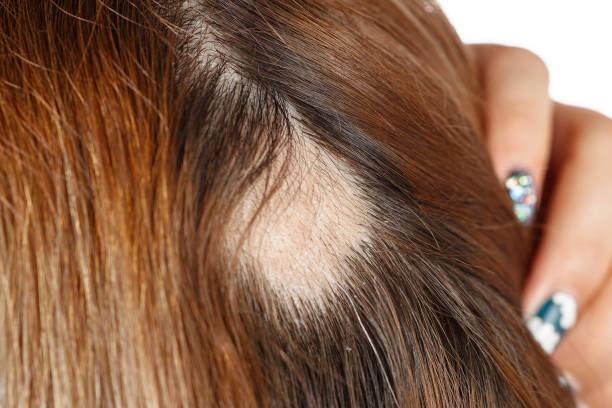
Hair health is closely connected to the condition of the scalp and hair follicles, so sudden changes deserve attention. Alopecia areata can cause unexpected patches of hair loss when the immune system mistakenly targets hair follicles. Learning about Alopecia Areata Treatment in Riyadh can help individuals understand why patchy hair loss develops, what it may mean for their follicles, and which professional approaches can support healthier hair growth.
What Alopecia Areata Means for Hair Health
Alopecia areata is an autoimmune condition that can interrupt the normal hair-growth cycle. It commonly appears as smooth, round or oval patches on the scalp, but it may also affect eyebrows, eyelashes, beard areas, and other body hair. The condition does not always follow the same pattern, so each person's experience can be different.
Understanding Hair Follicle Changes
The hair follicle remains an important part of the recovery process. In alopecia areata, immune activity can temporarily disrupt follicle function without necessarily destroying the follicle. This means regrowth may be possible, although the timing and extent can vary considerably.
Recognizing Early Warning Signs
Sudden smooth patches are one of the most noticeable signs. Some people may also see short broken hairs around affected areas, increased shedding, or changes in their nails. Identifying these changes early can encourage appropriate professional assessment.
Why Diagnosis Matters
Several different conditions can cause patchy or sudden hair loss, including scalp infections, inflammatory disorders, and other forms of alopecia. A professional evaluation helps distinguish these possibilities and provides a clearer understanding of what is affecting the hair follicles.
What a Specialist May Evaluate
A clinician may examine the scalp, assess the shape and distribution of hair-loss patches, and review the history of the condition. Individual hairs may also be examined for characteristic changes. Additional tests can sometimes be considered when the diagnosis is uncertain.
Understanding Treatment Options
Treatment depends on the extent of hair loss, affected areas, duration, age, and previous response to treatment. Depending on the individual's situation, a dermatologist may consider topical medications, corticosteroid injections, systemic medicines, or newer targeted therapies. Some mild cases may also be monitored because spontaneous regrowth can occur.
Supporting the Hair-Growth Cycle
When treatment is effective, follicles may gradually return to an active growth phase. New hairs can initially be fine or lighter in color before becoming thicker and more noticeable. Regular follow-up helps assess whether regrowth is occurring and whether further management is appropriate.
What Treatment Can Mean for Your Hair Health
Managing alopecia areata is not simply about improving appearance. Addressing active hair loss can help individuals understand the condition and monitor changes in their scalp and follicles. A personalized approach also allows treatment to be adapted according to the pattern and progression of hair loss.
Monitoring New Hair Growth
Hair may not return evenly across every affected area. One patch can begin showing new growth while another remains unchanged. Tracking these changes during professional follow-up provides useful information about the response and ongoing activity of the condition.
Caring for Hair During Recovery
Gentle hair care can help maintain comfort while the scalp is recovering. Avoiding excessive heat, harsh chemical treatments, and tight hairstyles may reduce unnecessary stress on vulnerable hair. Exposed scalp areas can also benefit from appropriate protection against direct sunlight.
Maintaining a Healthy Routine
A balanced lifestyle and suitable hair-care routine can complement professional management. However, lifestyle measures alone cannot treat the autoimmune process behind alopecia areata. Professional assessment remains important when hair loss is sudden, persistent, or spreading.
Can Alopecia Areata Affect Long-Term Hair Health?
The course of alopecia areata varies. Some individuals experience a limited episode followed by regrowth, while others may experience recurring or more extensive hair loss. Because the condition can change over time, noticing new patches or increased shedding is a reason to seek professional advice.
Why Personalized Care Matters
There is no single treatment plan that is suitable for everyone. A personalized approach considers the extent of hair loss, affected areas, previous episodes, and response to treatment. Ongoing evaluation can help ensure that management remains appropriate as the condition changes.
Book an Appointment
If you have noticed sudden patchy hair loss or changes in your hair-growth pattern, a professional consultation can help you understand what may be affecting your hair health. At Royal Clinic Saudi, specialists can assess your scalp and discuss suitable treatment options based on your individual condition and needs.
FAQs:
What is alopecia areata?
It is an autoimmune condition that causes hair loss in patches.
Can alopecia areata damage hair follicles permanently?
Hair follicles may remain capable of producing new hair, but outcomes vary.
Can hair grow back after treatment?
Yes, regrowth can occur naturally or with appropriate treatment.
Can alopecia areata return?
Yes, some individuals experience recurring episodes.

 English
 Arabic
 French
 Spanish
 Portuguese
 Deutsch
 Turkish
 Dutch
Dutch
 Russian
 Romaian
 Portuguese (Brazil)
 Greek
Greek
 Bengali