


How to Improve HVAC Energy Efficiency
Heating and cooling typically account for the largest share of a home's energy bill, often close to half of total utility costs depending on climate and season. As energy prices rise and homeowners look for ways to cut costs without sacrificing comfort, improving HVAC efficiency has become one of the most practical places to focus. The good news is that efficiency gains don't always require a full system replacement many improvements come from smarter maintenance, better habits, and targeted upgrades. This guide breaks down the most effective ways to make your heating and cooling system work smarter, not harder.
Understanding HVAC Efficiency
HVAC efficiency refers to how much useful heating or cooling a system produces relative to the energy it consumes. Furnaces are rated by AFUE (Annual Fuel Utilization Efficiency), while air conditioners and heat pumps use SEER (Seasonal Energy Efficiency Ratio) ratings. Higher ratings mean more comfort delivered per dollar spent on energy.
Efficiency isn't just about the equipment itself, though. It's also about how well a system is installed, maintained, and used day to day. A high-efficiency furnace paired with leaky ductwork, a dirty filter, and an outdated thermostat will still waste significant energy. That's why improving efficiency is best approached holistically equipment, maintenance, and usage habits all working together.
Routine Maintenance as the Foundation of Efficiency
Before considering upgrades, make sure your existing system is running as efficiently as it's capable of running. Neglected maintenance is one of the most common and most fixable causes of poor HVAC performance.
Replace air filters regularly. A clogged filter restricts airflow, forcing the blower motor to work harder and consume more energy just to move the same amount of air. Filters should generally be changed every 1–3 months.
Clean coils and outdoor units. Dust and debris on evaporator and condenser coils act as insulation, reducing the system's ability to transfer heat. Clean coils are one of the simplest ways to restore lost efficiency.
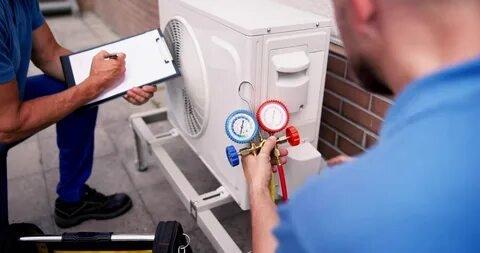
Schedule seasonal tune-ups. Professional HVAC services in Denver can identify inefficiencies that aren't visible during a casual homeowner inspection issues like low refrigerant, worn belts, or a furnace burning fuel inefficiently. Catching these problems early keeps your system running closer to its rated efficiency instead of gradually drifting below it.
Sealing and Insulating Your Home
Even the most efficient HVAC equipment can't compensate for a home that leaks conditioned air. Sealing gaps around windows, doors, and attic access points prevents heated or cooled air from escaping, while proper attic and wall insulation keeps indoor temperatures stable with less work from your system.
Ductwork deserves particular attention. Leaky or uninsulated ducts running through attics, basements, or crawl spaces can lose a significant percentage of conditioned air before it ever reaches your living space. Sealing duct joints and insulating exposed sections is one of the highest-return efficiency improvements a homeowner can make, often paying for itself within a few heating and cooling seasons.
Upgrading to Smart Thermostats
A programmable or smart thermostat allows precise control over when and how hard your system runs. Instead of heating or cooling an empty house at full capacity, a smart thermostat can automatically adjust temperatures based on occupancy, time of day, or even outdoor weather conditions.
Many smart thermostats also provide usage reports, helping homeowners spot patterns like a system running longer than expected that might indicate a developing mechanical issue. Pairing a smart thermostat with zoned HVAC systems can further improve efficiency by allowing different areas of the home to be heated or cooled independently, rather than conditioning the entire house uniformly.
Improving Airflow and Ventilation
Proper airflow is essential to efficient operation. Blocked vents, furniture placed in front of registers, and closed interior doors can all restrict airflow and force the system to work harder to reach target temperatures. Keeping vents and registers unobstructed throughout the home allows air to circulate as designed.
Ventilation balance also matters. A system that's improperly balanced may over-condition some rooms while under-conditioning others, leading to constant thermostat adjustments and wasted energy. A professional airflow assessment, often included as part of a broader efficiency evaluation, can identify and correct these imbalances.
Considering Equipment Upgrades
If your current system is more than 10–15 years old, it may be operating well below the efficiency standards of newer equipment, even with excellent maintenance. Modern high-efficiency furnaces, heat pumps, and air conditioners use advanced components like variable-speed motors and two-stage compressors that adjust output to match demand, rather than running at full capacity constantly.
Working with an experienced HVAC company in Denver helps homeowners evaluate whether a repair, a partial upgrade, or a full system replacement makes the most financial sense. In many cases, the cost difference between a standard-efficiency and high-efficiency unit is recovered over time through lower monthly energy bills, particularly in climates with demanding heating or cooling seasons.
The Role of Indoor Air Quality Equipment
Efficiency and indoor air quality are more connected than most homeowners realize. A clean, well-maintained filtration system reduces strain on the blower motor, while humidity control equipment helps a home feel comfortable at more moderate thermostat settings. Overly dry winter air, for example, can make a space feel colder than it actually is, tempting homeowners to raise the thermostat unnecessarily. Properly balanced humidity allows for comfort at lower heating settings, translating directly into energy savings.
Building Efficient Habits
Beyond equipment and maintenance, everyday habits play a meaningful role in overall efficiency:
-
Set consistent, moderate thermostat schedules rather than large daily swings
-
Use ceiling fans to circulate air and reduce reliance on the HVAC system
-
Close blinds during peak sun exposure in summer to reduce cooling load
-
Keep outdoor units clear of plants, furniture, and debris
-
Address unusual noises or performance changes promptly rather than waiting
Small, consistent habits combined with regular professional care compound over time into meaningful energy savings.
Final Thoughts
Improving HVAC energy efficiency is rarely about one single fix it's the combination of consistent maintenance, a well-sealed home, smart temperature control, and equipment that's properly sized and cared for. Homeowners who invest in seasonal tune-ups, address ductwork and insulation gaps, and stay attentive to warning signs typically see the greatest long-term savings. For those ready to take the next step, partnering with a trusted HVAC company in Denver for a full efficiency assessment is often the fastest way to identify exactly where energy and money is being lost, and to build a clear plan for getting the most performance out of every heating and cooling dollar spent.

 English
 Arabic
 French
 Spanish
 Portuguese
 Deutsch
 Turkish
 Italiano
 Russian
 Romaian
 Portuguese (Brazil)
 Greek
Greek
 Bengali