


What Ingredients Are Commonly Found in Vegan Skincare Products?
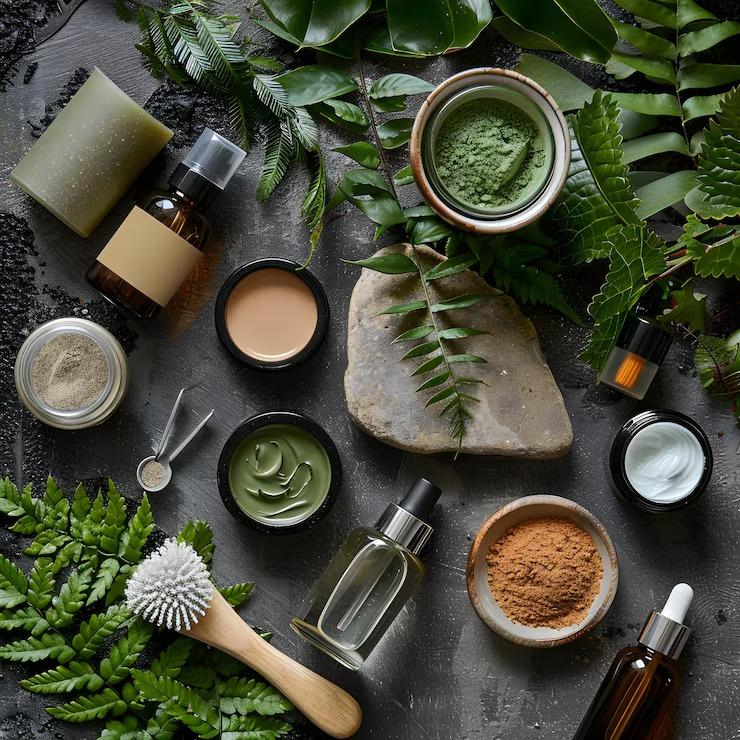
Vegan skincare products commonly rely on plant-derived oils, botanical extracts, plant-based waxes, and synthetically produced actives like fermented hyaluronic acid to replace animal-derived ingredients - offering comparable performance across hydration, texture, and skin support. Understanding the specific ingredients that populate vegan formulations helps you evaluate their effectiveness with the same rigor you'd apply to any skincare product, rather than assuming "vegan" alone guarantees quality. This guide walks through the most common ingredient categories found in vegan skincare products.
Why Ingredient Sourcing Requires Substitution
Many traditional skincare ingredients - like beeswax, lanolin, and collagen - are animal-derived by nature. Vegan skincare products require alternative sourcing that replicates the same functional benefits (texture, moisture-binding, stabilizing) without using animal byproducts.
Common Plant-Based Waxes and Emollients
Candelilla Wax
A popular substitute for beeswax, candelilla wax offers similar stabilizing and thickening properties in vegan formulations, particularly in balms and thicker creams.
Carnauba Wax
Derived from palm leaves, carnauba wax is another common beeswax alternative, valued for its firm, protective texture.
Shea Butter
A rich, plant-derived emollient frequently used in vegan skincare products as a base for moisturizers, offering deep nourishment comparable to some animal-derived alternatives.
Cocoa Butter
Another plant-based emollient commonly featured in vegan formulations, particularly body-focused products.
Common Plant-Based Hydrating Ingredients
Plant-Fermented Hyaluronic Acid
Rather than sourcing hyaluronic acid from animal tissue (an older, less common method), most modern formulations - vegan or not - use fermented plant-based production, making this ingredient naturally compatible with vegan skincare products.
Vegetable Glycerin
Functions identically to other forms of glycerin as a humectant, while fitting within vegan sourcing standards.
Aloe Vera
A naturally plant-derived, hydrating botanical commonly featured across vegan skincare products for its soothing properties.
Common Plant-Based Oils
Jojoba Oil
Closely resembles the skin's natural sebum and is a staple lightweight oil across many vegan skincare products.
Rosehip Oil
Valued for its nourishing properties and frequently included in vegan serums and facial oils.
Argan Oil
Rich in fatty acids, argan oil is a popular plant-based alternative offering comparable nourishing benefits to some animal-derived emollients.
Common Plant-Based Squalane
Traditionally, squalene was often derived from shark liver oil. Vegan skincare products instead use squalane derived from plant sources like olives or sugarcane, offering the same lightweight, non-greasy emollient properties without the animal sourcing.
Ingredient Comparison Table
|
Function |
Traditional Animal-Derived Option |
Vegan Alternative |
|
Wax/thickener |
Beeswax |
Candelilla or carnauba wax |
|
Rich emollient |
Lanolin |
Shea butter, plant oils |
|
Firming/plumping |
Animal collagen |
Plant-based alternatives, hyaluronic acid |
|
Lightweight emollient |
Shark-derived squalene |
Plant-derived squalane |
|
Pigment |
Carmine |
Plant or mineral-based pigments |
Are Vegan Ingredient Substitutes Just as Effective?
Generally, yes - modern vegan skincare products often perform comparably to their conventional counterparts because many of the substitute ingredients (like plant-derived squalane or fermented hyaluronic acid) are functionally very similar, and in some cases, identical at a molecular level, to their animal-derived counterparts.
Ingredients to Watch For, Regardless of Vegan Status
Even within vegan skincare products, some ingredients warrant attention:
- Synthetic fragrance - can still cause irritation, regardless of vegan sourcing
- Essential oils in high concentrations - while plant-derived, these can still be irritating for sensitive skin
- Alcohol-based formulas - can be drying, even in a fully vegan product
How to Evaluate Ingredient Quality in Vegan Skincare Products
- Check whether the specific plant-based alternative is named clearly (e.g., "plant-derived squalane" rather than just "squalane")
- Look for the substitute ingredient's concentration and position on the ingredient list
- Research whether the specific substitute has comparable research backing to its animal-derived counterpart
- Consider your skin's individual response, since plant-based ingredients can still vary in tolerance from person to person
Building a Well-Formulated Vegan Routine
A thoughtfully chosen set of vegan skincare products can include:
- A cleanser using plant-based surfactants
- A serum featuring fermented hyaluronic acid or aloe vera for hydration
- A moisturizer built around shea butter or plant oils
- Sunscreen using mineral or vegan-compatible chemical filters
Conclusion
Vegan skincare products rely on a well-established set of plant-based and synthetically derived ingredients - from candelilla wax to fermented hyaluronic acid - that closely replicate the function of traditional animal-derived components. Because many of these substitutes perform comparably, and in some cases identically, vegan formulations don't inherently sacrifice effectiveness. Understanding these common ingredient swaps helps you evaluate vegan skincare products with the same informed approach you'd apply to any formulation.
FAQ
Is plant-derived squalane as effective as animal-derived squalene?
Yes, plant-derived squalane offers comparable lightweight, emollient benefits without the animal sourcing.
Are vegan moisturizers as rich as animal-derived ones?
Yes, plant-based butters like shea and cocoa butter can provide comparable richness to animal-derived emollients like lanolin.
Does vegan hyaluronic acid work the same way as other forms?
Yes, most modern hyaluronic acid - vegan or not - is produced through plant-based fermentation, making it functionally similar across formulations.
Can vegan skincare products still contain irritating ingredients?
Yes, plant-based doesn't automatically mean gentle - synthetic fragrance, essential oils, and certain alcohols can still cause irritation in vegan formulations.
What replaces carmine in vegan makeup and tinted skincare?
Plant-based or mineral-derived pigments are commonly used to replace carmine, the insect-derived red pigment, in vegan formulations.

 English
 Arabic
 French
 Spanish
 Portuguese
 Turkish
 Dutch
Dutch
 Italiano
 Russian
 Romaian
 Portuguese (Brazil)
 Greek
Greek
 Bengali