


How Can the Right Design Approach Improve a Digital Product?
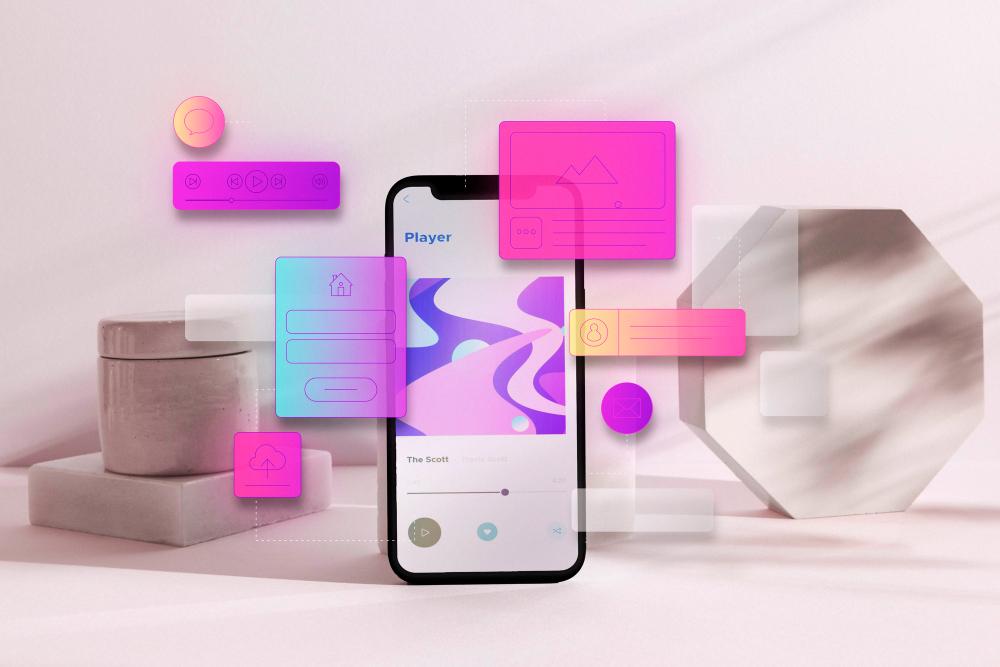
A digital product can have powerful technology, useful features, and impressive functionality, but the experience people have while using it often determines whether they keep coming back. Design connects the product’s capabilities with the people expected to use them.
Good design is not simply about choosing attractive colors or creating polished screens. It is about making information easier to understand, actions easier to complete, and the overall experience more natural. When design decisions are made with purpose, a digital product can become clearer, more useful, and more enjoyable.
Design Begins With a Product’s Purpose
Before creating screens, designers need to understand what the product is supposed to achieve.
Is it helping customers purchase something? Is it simplifying a professional workflow? Is it helping users manage information? Or is it providing an entirely new digital service?
The answer influences almost every design decision.
A clear product purpose helps teams decide:
-
Which features deserve priority
-
What information users need first
-
How navigation should work
-
Which actions should be most visible
-
What type of interface best supports the experience
When purpose leads design, the product feels more focused.
Think Beyond Individual Screens
A digital product is rarely experienced one screen at a time.
Users move through a sequence.
They arrive, explore, make decisions, perform actions, receive feedback, and continue toward an outcome. Each stage influences the next.
The Experience Is a Connected Story
Consider an online booking platform.
The user may begin by searching for an option, filtering results, checking details, selecting a preferred choice, entering information, confirming the booking, and receiving confirmation.
If each screen looks attractive but the transition between them feels disconnected, the overall experience can still feel difficult.
This is why journey thinking matters.
Designers need to understand how screens work together, not simply how each screen looks independently.
What Changes When Design Is User-Led?
A user-led design approach begins with real needs rather than assumptions.
Design teams can use research to understand:
-
What users expect from the product
-
What tasks they perform most frequently
-
What information matters to them
-
Which terminology feels familiar
-
What influences their decisions
-
How they use the product in different situations
This information creates a stronger foundation for design.
Instead of designing for an imaginary “average user,” teams can make decisions based on observable behavior and genuine user expectations.
The Middle Ground Between Business Goals and User Needs
A successful digital product has to work for both sides.
Users want convenience, clarity, speed, and confidence.
Businesses may want engagement, growth, conversions, efficiency, or customer retention.
Good design creates a bridge between these objectives.
For example, a business may want users to complete a registration process. Users, meanwhile, may want to understand the value of registering before sharing their information.
A thoughtful design can explain the benefit, keep the form focused, guide the user through the process, and provide clear confirmation afterward.
The result supports both user expectations and business objectives.
Where Professional Design Services Can Make a Difference
Businesses working on digital products often need more than visual design. They need research, information architecture, interaction design, interface systems, prototyping, testing, and strategic thinking to work together.
This is where ui ux design services in india can support a broader product design process.
With the right approach, ui ux design services in india can help businesses translate user requirements and product objectives into practical digital experiences.
The value of ui ux design services in india becomes especially clear when a product has multiple user groups, complex workflows, or a large number of features that need to work together consistently.
From Idea to Usable Experience
A structured design process can include:
-
Understanding the product
-
Researching users
-
Mapping important journeys
-
Organizing information
-
Creating interaction flows
-
Building prototypes
-
Testing with users
-
Refining the experience
-
Creating the visual system
-
Supporting development
The exact process can change depending on the product, but the underlying objective remains the same: make the product useful and understandable.
Information Architecture Quietly Shapes Usability
One of the most important design decisions is also one users rarely notice directly: information architecture.
It determines how information is organized and how users move through it.
A well-planned structure helps people answer simple questions:
Where am I?
What can I do here?
Where should I go next?
How can I return to something I viewed earlier?
Clear categorization, logical navigation, meaningful labels, and sensible content hierarchy can make even feature-rich products easier to use.
Visual Design Should Support Meaning
Visual design has an important role, but it should serve the experience.
Typography can establish hierarchy.
Spacing can separate related information.
Icons can support recognition.
Color can communicate emphasis or state.
Layout can guide attention.
When these elements work together, users can understand a screen more quickly.
Consistency Creates Familiarity
Imagine a product where primary actions look different on every screen.
Users would need to interpret the interface repeatedly.
A design system solves much of this by creating reusable patterns for:
-
Buttons
-
Forms
-
Cards
-
Navigation
-
Typography
-
Icons
-
Alerts
-
Modals
-
Tables
-
Spacing
Consistency makes the product easier to learn and helps development teams maintain quality as the product grows.
Responsive Design Is Part of the Experience
People use digital products across different devices.
A website may be opened on a desktop at work, a tablet at home, or a smartphone while traveling.
The design should adapt accordingly.
Responsive design considers:
-
Screen size
-
Touch interaction
-
Content hierarchy
-
Navigation patterns
-
Image scaling
-
Text readability
-
Interactive element size
A strong desktop layout cannot simply be compressed onto a smaller screen. The experience needs to be reconsidered for the context in which it will be used.
Accessibility Expands the Product’s Reach
Accessible design helps more people interact comfortably with a digital product.
Designers can consider:
-
Readable text
-
Strong contrast
-
Keyboard navigation
-
Clear focus states
-
Descriptive labels
-
Logical content structures
-
Accessible interactive components
Accessibility should be considered during the design process rather than added as a final layer.
It can also improve general usability because clearer interfaces tend to benefit a wide range of users.
Prototypes Turn Ideas Into Something Testable
Design discussions become more useful when people can interact with a concept.
A prototype allows teams to explore a proposed experience before development begins.
It can help answer questions like:
-
Does the workflow make sense?
-
Is the main action easy to find?
-
Does the navigation feel natural?
-
Is important information visible at the right moment?
-
Can users complete the intended task?
Testing these ideas early can help teams refine the product with greater confidence.
Design Should Continue After Launch
Launch is not the end of design.
Real users may interact with a product in ways the original team did not anticipate. Analytics, customer feedback, usability studies, and support conversations can reveal opportunities for improvement.
Teams can monitor:
-
Feature adoption
-
Task completion
-
Conversion behavior
-
Search patterns
-
User engagement
-
Customer feedback
-
Frequently requested improvements
This creates a continuous learning cycle.
A Product Can Mature With Its Users
As customer expectations change, the product may need to evolve.
New features may require better navigation. New devices may influence responsive layouts. Growing audiences may create new accessibility requirements.
A flexible design approach allows the product to develop without losing its core identity.
A Simple Way to Judge a Digital Product’s Design
Ask five questions:
1. Can users understand the product quickly?
2. Can they find what they need without unnecessary exploration?
3. Are important actions clear?
4. Does the experience remain consistent across screens and devices?
5. Does the design support both user goals and business objectives?
If the answers are strong, the product has a solid design foundation.
Conclusion
The right design approach can improve a digital product by bringing clarity, structure, consistency, accessibility, and purpose into every part of the experience. It transforms individual interfaces into connected journeys that support real user goals.
Great design is not about adding decoration to technology. It is about helping technology communicate, guide, and serve people effectively.
When research, strategy, interaction, visual design, testing, and continuous improvement work together, a digital product becomes easier to understand and more valuable to use.
FAQs
What is the purpose of digital product design?
Digital product design creates experiences that help users interact with a product efficiently while supporting the wider goals of the business.
How does UX improve a digital product?
UX improves how users navigate, understand, and interact with a product. It focuses on journeys, workflows, information, interactions, and user needs.
Why is UI design important?
UI design gives users a clear visual and interactive system. Typography, spacing, color, components, and layouts help communicate information and guide actions.
Should user research happen before design?
Ideally, yes. Early research gives designers useful insights into user expectations, behaviors, and goals, helping create more informed design decisions.
What is a design system?
A design system is a collection of reusable components, visual rules, interaction patterns, and guidelines that help maintain consistency across a digital product.
Can good design improve business performance?
Yes. A clearer experience can make important tasks easier to complete, support engagement, improve usability, and create a stronger overall product experience.

 English
 Arabic
 French
 Spanish
 Portuguese
 Turkish
 Dutch
Dutch
 Italiano
 Russian
 Romaian
 Portuguese (Brazil)
 Greek
Greek
 Bengali