


What Factors Should You Consider Before Freezing Your Eggs?
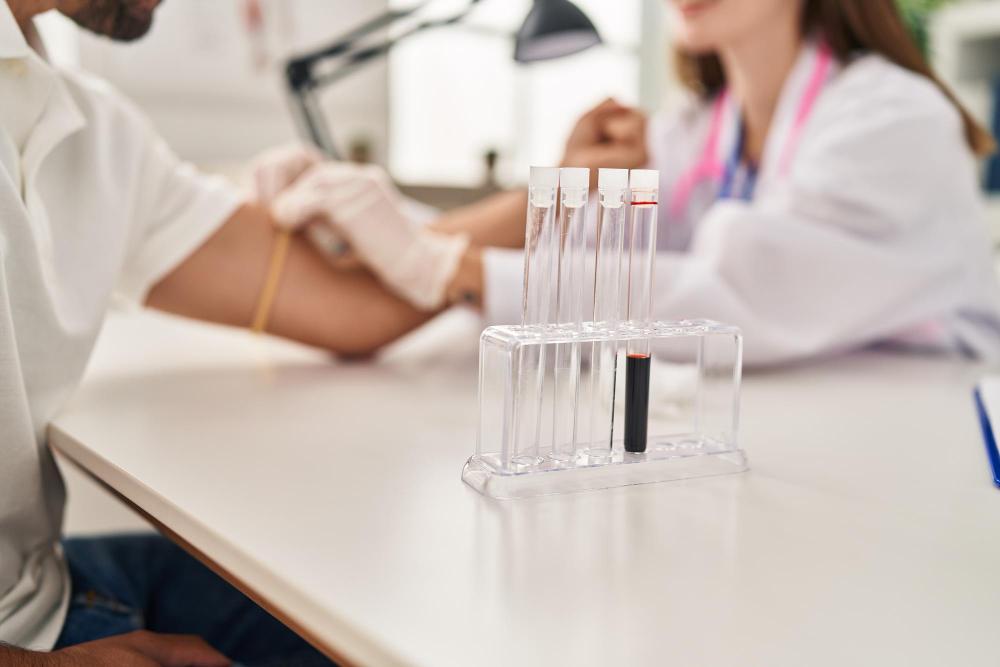
Egg freezing has become an important option for people who want to preserve their reproductive choices for the future. It allows mature eggs to be collected and stored so they may potentially be used later when the timing feels right for family-building.
But deciding to freeze your eggs is more than booking a procedure. There are medical, personal, financial, and practical factors worth understanding before getting started. A well-informed decision begins with knowing what the process involves and how different factors can influence the outcome.
Start With the Reason Behind Your Decision
Before thinking about injections, egg retrieval, or storage, take a moment to understand why you are considering egg freezing.
Some people want to preserve fertility while focusing on education, career, relationships, or other life plans. Others may be considering fertility preservation before medical treatment that could affect reproductive function.
Your reason matters because it can influence how you think about timing, the number of eggs to preserve, and future treatment planning.
There does not have to be one perfect reason. The important thing is that the decision fits your circumstances.
Age Is One of the Key Factors
Age plays an important role in fertility because both the number and quality of eggs can change over time.
Generally, younger eggs have a greater reproductive potential than eggs collected at an older age. However, age alone does not determine an individual's fertility preservation prospects.
This is why discussing egg freezing earlier can be useful for someone who is considering delaying pregnancy.
A fertility specialist can explain how age fits into your individual reproductive picture rather than relying only on general statistics.
Your Ovarian Reserve Gives Useful Information
Ovarian reserve refers to the remaining supply of eggs in the ovaries.
Tests such as Anti-Müllerian Hormone (AMH) testing and antral follicle count through ultrasound may help the fertility team understand ovarian reserve.
These tests do not provide a complete prediction of future fertility. Instead, they give the doctor useful information when planning ovarian stimulation and estimating how the ovaries may respond to medication.
Why This Assessment Matters
Knowing your ovarian reserve can help your medical team create a more individualized treatment plan.
It may also help set realistic expectations about the number of eggs that could potentially be collected during a cycle.
The Quality of Eggs Matters Too
Egg quantity is only one part of the picture.
Egg quality is also important because reproductive potential is influenced by factors that cannot be measured simply by counting eggs.
Age is closely associated with egg quality, while individual biological factors can also influence reproductive outcomes.
This is one reason why doctors discuss both quantity and quality rather than focusing on the number of eggs alone.
What Should You Know About the Egg Freezing Process?
If you are researching an egg freezing specialist in hyerabad, understanding the actual treatment journey can help you prepare better for your consultation.
An egg freezing specialist in hyerabad can explain how ovarian stimulation, monitoring, egg retrieval, laboratory preparation, and cryopreservation fit together.
When comparing your options for an egg freezing specialist in hyerabad, it is useful to ask about the medical assessment, laboratory facilities, preservation technique, follow-up process, and how your individual circumstances will be considered.
Understand Ovarian Stimulation Before Starting
Egg freezing usually involves medication that encourages several ovarian follicles to develop during one treatment cycle.
The response is monitored using methods such as ultrasound and, when appropriate, blood tests.
The medication schedule is personalized. The dose and monitoring plan may vary depending on ovarian reserve, age, previous treatment history, and other clinical factors.
Understanding this beforehand can make the process feel much more manageable.
Think About the Number of Eggs to Preserve
One common question is: How many eggs should I freeze?
There is no single number that guarantees a future pregnancy.
The number considered appropriate can depend on factors such as:
-
Age at the time of freezing
-
Ovarian reserve
-
Response to stimulation
-
Number of mature eggs collected
-
Future family-building goals
-
Whether more than one cycle may be considered
Your fertility team can discuss these factors and help you understand what may be reasonable for your circumstances.
Consider Whether One Cycle May Be Enough
Some people may obtain a useful number of mature eggs during one cycle. Others may discuss additional cycles depending on their reproductive goals and medical response.
This does not mean that everyone needs multiple cycles.
The decision depends on the number of mature eggs obtained, age, ovarian response, and the individual's future plans.
Ask your doctor what factors would influence the decision to consider another cycle.
Look Beyond the Procedure: Laboratory Quality Matters
Egg freezing is not only a medical procedure. The laboratory plays an important role.
After retrieval, mature eggs are prepared and preserved using specialized cryopreservation techniques. Vitrification, a rapid-freezing method, is commonly used for egg freezing.
The laboratory team handles the eggs carefully during preparation, freezing, storage, and later warming.
When choosing where to undergo treatment, ask about the laboratory process and how stored eggs are monitored and managed.
Know What Happens When You Want to Use the Eggs
Freezing your eggs is one stage of fertility preservation. Using them later involves additional treatment.
When the eggs are needed, they are warmed in the laboratory. Eggs that successfully survive the warming process may be fertilized using sperm, often through intracytoplasmic sperm injection (ICSI).
The resulting embryos are then monitored for development. If an embryo is considered suitable for transfer, the fertility team prepares the uterus and plans the next stage.
Understanding this complete pathway helps you view egg freezing as part of future fertility planning rather than an isolated procedure.
Think About Your Future Family-Building Plans
Your future plans can influence how you approach egg freezing.
Consider questions such as:
-
Do I hope to have one child or more than one?
-
Am I planning to use the eggs with a future partner?
-
Could my family-building timeline change?
-
Would I consider using donor sperm if needed?
-
Do I understand what happens to stored eggs if my plans change?
You do not need to predict your entire future.
The goal is simply to understand the choices connected with preservation.
Review the Financial Side Clearly
Egg freezing involves more than the initial procedure.
Potential expenses may include:
-
Medical consultations
-
Fertility medications
-
Blood tests and monitoring
-
Egg retrieval
-
Laboratory processing
-
Cryopreservation
-
Long-term storage
-
Future warming and fertility treatment
Costs vary between treatment plans and facilities, so ask for a clear explanation of what is included.
Knowing the financial structure beforehand makes long-term planning easier.
Ask About Storage and Consent Arrangements
Frozen eggs are stored under controlled cryogenic conditions.
Before preservation, patients should understand the storage arrangements and applicable consent requirements.
Ask your fertility centre about:
-
How long eggs can be stored
-
Storage renewal procedures
-
Documentation requirements
-
What happens if you move
-
How future use is arranged
-
What happens if your circumstances change
These details may seem administrative, but they are an important part of responsible fertility planning.
Your Medical History Deserves Attention
Tell your fertility specialist about your complete relevant medical history.
This can include previous ovarian surgery, fertility treatment, reproductive conditions, medications, and medical treatments that may affect fertility.
A detailed history helps the doctor decide which assessments are appropriate and whether any additional preparation is needed.
Do not hesitate to mention concerns that seem unrelated. Sometimes small details help complete the clinical picture.
Emotional Readiness Is Also Part of the Decision
Egg freezing can bring a mixture of excitement, relief, curiosity, and many questions about the future.
It can help to give yourself enough time to understand the process before making a decision.
Talk with people you trust if that feels helpful. Some individuals may also find professional counselling useful when thinking through fertility preservation and future family-building choices.
The medical decision and the emotional decision do not have to happen at exactly the same pace.
A Simple Pre-Freezing Checklist
Before beginning treatment, make sure you understand these areas:
Medical
-
Age and reproductive history
-
Ovarian reserve
-
Relevant health conditions
-
Medication requirements
Treatment
-
Stimulation process
-
Monitoring appointments
-
Egg retrieval
-
Freezing and storage
Future use
-
Warming process
-
Fertilization
-
Embryo development
-
Embryo transfer
Practical
-
Total expected costs
-
Storage arrangements
-
Consent requirements
-
Follow-up care
Having answers to these questions can make your consultation much more productive.
The Best Decision Is an Informed One
Egg freezing can provide an opportunity to preserve reproductive options, but it is not a guarantee of future pregnancy.
The most useful approach is to understand your own fertility profile, learn what the procedure involves, discuss realistic expectations, and consider how preservation fits into your broader plans.
A personalized discussion with a qualified fertility professional can help you decide whether egg freezing is appropriate for you and what preparation may be required.
Conclusion
Choosing whether to freeze your eggs involves several considerations, including age, ovarian reserve, egg quality, medical history, treatment expectations, laboratory processes, future family-building plans, cost, storage, and emotional readiness.
Rather than focusing on one factor alone, look at the complete picture. Good fertility care combines medical information with personal goals so that you can make a decision that feels informed and appropriate for your future.
FAQs
1. What is egg freezing?
Egg freezing, or oocyte cryopreservation, is a fertility preservation method in which mature eggs are collected, frozen, and stored for potential use in future fertility treatment.
2. What tests are usually done before egg freezing?
A fertility team may assess ovarian reserve using tests such as AMH and antral follicle count. Other blood tests, ultrasound examinations, and medical assessments may also be recommended based on individual circumstances.
3. Does age affect egg freezing?
Yes. Age is an important factor because egg quantity and quality generally change over time. A fertility specialist can explain how age may influence an individual's preservation plan.
4. How are eggs frozen?
After collection, mature eggs are prepared in the laboratory and commonly preserved using vitrification, a rapid-freezing technique designed to limit ice-crystal formation.
5. How many eggs should I freeze?
There is no universal number that guarantees a future pregnancy. The number considered appropriate depends on factors such as age, ovarian reserve, treatment response, and future family-building goals.
6. Can frozen eggs be used years later?
Frozen eggs may be stored for an extended period under appropriate cryogenic conditions, subject to applicable regulations, consent arrangements, and storage policies.
7. What happens when frozen eggs are used?
The eggs are warmed in the laboratory. Suitable eggs may then be fertilized, often using ICSI, to create embryos. An appropriate embryo may subsequently be considered for transfer.
8. Does egg freezing guarantee pregnancy?
No. Egg freezing preserves reproductive material for potential future treatment, but future pregnancy outcomes depend on several biological and treatment-related factors.
9. Should I discuss egg freezing with a fertility specialist?
Yes. A fertility specialist can review your reproductive history, assess relevant fertility factors, explain the procedure, and help you understand whether preservation fits your individual plans.

 English
 Arabic
 French
 Spanish
 Portuguese
 Deutsch
 Turkish
 Dutch
Dutch
 Russian
 Romaian
 Portuguese (Brazil)
 Greek
Greek
 Bengali