


How Wig Brands Can Improve the Online Shopping Experience
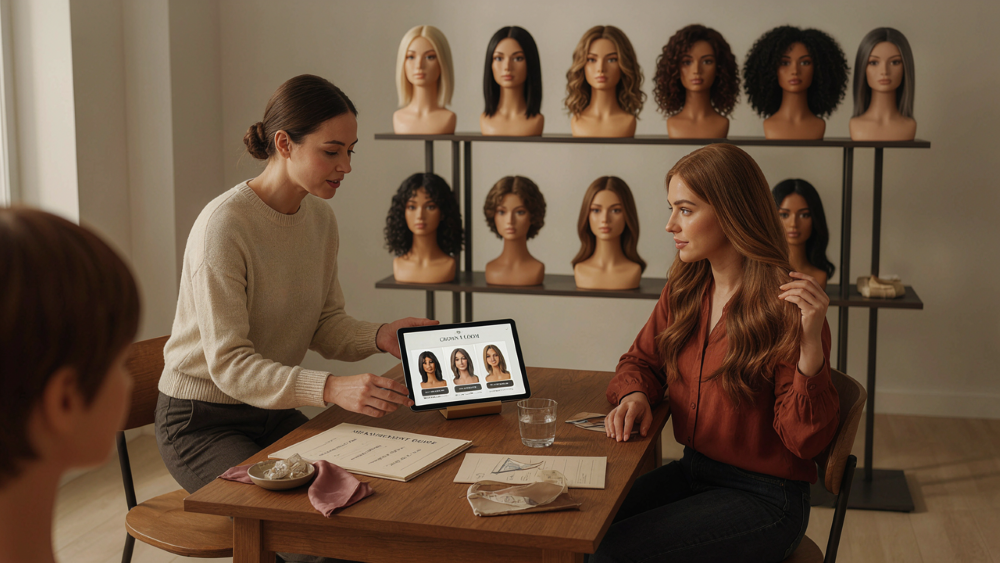
A customer opens a wig retailer's website on her phone during a lunch break, hoping to find something quickly. She scrolls through dozens of similar-looking product thumbnails, unsure what actually separates one option from another. She can't touch the hair, can't judge how the color will look under her own bathroom lighting, and isn't entirely sure what half the product terms even mean. After a few minutes of scrolling without much clarity, she closes the tab and moves on to something else.
This kind of quiet abandonment happens constantly in online wig retail, and it rarely has anything to do with a lack of interest. It happens because shopping for a wig online strips away the physical interaction that would normally resolve most of a customer's uncertainty in a matter of seconds. Without the ability to touch, try on, or directly compare products in person, the entire burden of building confidence falls on how well a website communicates.
Wig brands that design their online experience around this reality, rather than simply digitizing a physical catalog, tend to see meaningfully better conversion, fewer returns, and customers who feel genuinely confident rather than anxious about their purchase.
Why the Online Wig Shopping Experience Can Be Difficult
Buying a wig online means making a fairly personal, appearance-related decision without the direct sensory information that would normally guide it. Customers can't feel the texture, can't judge color accuracy against their own skin tone in real lighting, and often struggle to picture how a specific density or cap construction will actually look and feel once worn.
Concerns about product quality compound this uncertainty, since customers have no reliable way to verify craftsmanship or material quality from a photo alone. Photographs themselves can create doubt too, since customers have learned to be skeptical of images that might be edited or unrepresentative. Online wig brands essentially need to compensate for the complete absence of physical interaction through every other available channel: information, imagery, video, and honest communication.
Make Website Navigation Simple
A well-structured website lets customers narrow an overwhelming catalog down to a manageable, relevant selection quickly. Clear product categories, combined with functional filters for hair type, length, texture, color, and price range, allow customers to skip past hundreds of irrelevant options and focus on what actually fits their needs.
Search functionality that actually understands wig terminology, rather than requiring an exact product name match, helps customers who aren't yet familiar with the full vocabulary of the category. Clear availability indicators prevent the frustration of falling in love with a product only to discover it's out of stock at checkout. Good navigation isn't a minor technical detail. It's often the difference between a customer finding what they need and giving up partway through.
Create Better Wig Product Pages
A strong product page answers nearly every question a customer might have before they need to ask it directly. This includes the wig type, hair type, length, density, texture, cap construction, available colors, cap sizing information, styling guidance, maintenance requirements, relevant product dimensions, and clear, upfront pricing.
Accuracy and transparency matter more here than persuasive language. A product page that honestly describes a wig's actual characteristics, including any limitations, builds far more trust than one that reads like pure marketing copy. Customers who feel like they have complete, honest information are far more likely to purchase confidently and far less likely to return the item once it arrives.
Use Realistic Product Photography
Photography carries an outsized share of the persuasive and informational weight in online wig shopping, since it's often the closest thing customers have to a physical encounter with the product. Front, side, and back views, close-up texture shots, clear hairline detail, photography under multiple lighting conditions, and images showing different styling options all contribute to a fuller, more honest picture.
Minimal image editing matters considerably here. Photos that smooth texture, shift color, or exaggerate fullness create expectations the physical product can't live up to, which reliably leads to disappointment once the wig actually arrives. Realistic photography sets a foundation of trust that the rest of the shopping experience can build on.
Add Video to the Shopping Experience
Video communicates information that static photography simply can't capture. Hair movement, natural texture behavior, how density looks from multiple angles, lace appearance against skin, hairline realism, and how a wig looks once actually styled all come across far more convincingly in motion than in a still image.
Short, authentic video content, even simple, unpolished clips showing a wig in natural lighting, can meaningfully reduce the uncertainty that static photos leave behind. Customers evaluating a wig online are essentially trying to predict a physical, tactile experience from digital information alone, and video closes part of that gap that photography can't.
Make Wig Terminology Easy to Understand
Many customers encounter unfamiliar terms throughout the shopping process: lace front, full lace, closure, density, glueless, HD lace, cap construction, human hair, synthetic hair. Without clear explanations, this vocabulary becomes a barrier rather than useful product information.
Simple definitions, hover tooltips, a dedicated glossary, or short educational guides can turn confusing jargon into accessible, useful context. The goal isn't to overwhelm customers with technical depth. It's to give them just enough understanding to make an informed choice, translating industry terminology into language that actually helps rather than intimidates.
Use Reviews as Decision-Making Tools
Reviews reduce uncertainty in ways that brand-written product descriptions often can't, simply because they come from customers with genuine, lived experience of the product. Useful review content covers actual fit, color accuracy compared to photos, real texture experience, density, comfort over extended wear, styling results, and how the product held up over time.
Detailed written reviews, especially ones that include customer-submitted photos, tend to be far more useful than simple star ratings alone. A five-star rating tells a prospective customer very little on its own. A detailed comment noting that a particular wig "runs true to the photos but feels lighter than expected" gives them something genuinely actionable.
Build Wig Comparison Features
Comparison tools help customers evaluate similar products without having to hold multiple open tabs in their head at once. A simple, factual comparison table clarifies meaningful differences at a glance:
| Feature | Wig A | Wig B |
|---|---|---|
| Hair type | Human hair | Synthetic |
| Texture | Straight | Wavy |
| Length | Medium | Long |
| Maintenance | Higher | Generally lower |
| Styling flexibility | Varies | Varies |
These comparisons work best when kept strictly factual, without implying that one category is universally superior to another. The right choice always depends on what a specific customer actually values and needs, not on which option scores higher across every column.
Improve Mobile Shopping
A significant share of wig shopping happens on mobile devices, which makes mobile usability a core part of the customer experience rather than a secondary consideration. Fast-loading pages, intuitive navigation, appropriately sized product images, simple and functional filters, easily readable descriptions, and a streamlined checkout process all matter considerably on a smaller screen.
Mobile-friendly review displays, clearly visible buttons, and minimal visual clutter reduce the friction that causes customers to abandon a purchase mid-journey. Any unnecessary difficulty on mobile, a filter that doesn't work properly, text that's too small to read comfortably, tends to push hesitant customers away rather than toward a purchase.
Personalize the Online Shopping Journey
Guided, personalized recommendations can transform an overwhelming catalog into a short, genuinely relevant selection. Useful guiding questions include what type of wig a customer is looking for, how often they plan to wear it, what length and texture they prefer, whether low maintenance matters to them, what cap style feels comfortable, and what budget they have in mind.
This kind of structured guidance reduces choice overload significantly. Instead of asking customers to evaluate an entire catalog independently, a brand can narrow the options down to a handful of genuinely relevant suggestions based on their actual stated needs.
Product Presentation Should Continue Beyond the Website
The online experience sets expectations that need to carry through delivery, unboxing, and the customer's first physical interaction with the product. A polished, informative website paired with a careless or inconsistent delivery experience undercuts the confidence that was carefully built during the browsing process.
Some wig brands reinforce this consistency through details like custom wig boxes with logo, helping the physical arrival of a product feel as considered and professional as the digital shopping experience that led up to it. Consistency between what customers see online and what they actually receive strengthens trust throughout the entire journey, not just at the moment of purchase.
Make Checkout Simple and Transparent
Checkout is one of the final opportunities to either confirm or undermine the confidence a customer has built throughout their shopping journey. Clear, upfront pricing, honest shipping costs, realistic delivery estimates, an easy-to-find return policy, multiple payment options, a clear order summary, accessible contact information, and visible security assurances all reduce hesitation at exactly the moment it matters most.
Unexpected costs revealed only at the final checkout step, or return policies that are difficult to locate, tend to introduce doubt right before a customer commits, often leading to abandoned carts that a clearer, more transparent process could have avoided entirely.
Provide Strong Customer Support
Many customers need direct assistance before feeling ready to complete a wig purchase, particularly around fit, color matching, and general product questions. Live chat, responsive email support, thorough FAQs, personal product consultations, size guidance, color assistance, care instructions, and clear order tracking all give hesitant customers a path to the confidence they need.
Responsive, genuinely helpful support signals that real people stand behind the brand, which matters considerably for a purchase category where customers often feel some baseline uncertainty going in. A quick, thoughtful answer to a specific question can be the deciding factor between a completed purchase and an abandoned cart.
Improve the Post-Purchase Experience
The customer experience doesn't end once checkout is complete. Clear order confirmation, proactive shipping updates, honest delivery communication, helpful product-use guidance, genuine wig care education, straightforward return instructions, and thoughtful follow-up support all shape whether a customer's overall impression stays positive after the sale.
This kind of post-purchase communication directly influences whether a customer feels satisfied enough to return for a future purchase or recommend the brand to someone else. The online shopping experience, in other words, extends well past the moment a customer clicks "buy."
Common Mistakes Wig Brands Should Avoid
Overloading customers with choices, without any guiding structure, leaves them to navigate complexity entirely on their own. Unclear terminology and poor website navigation both add unnecessary friction to a process that's already inherently uncertain. Low-quality product images and excessive photo editing each undermine the trust that realistic photography is meant to build.
Missing product specifications force customers to guess at decisions that meaningfully affect their experience. Hiding shipping costs until late in checkout, or maintaining a complicated checkout process generally, tends to drive abandoned carts. A weak mobile experience alienates a large share of potential customers, while ignoring customer reviews wastes valuable trust-building content already sitting on the site. Slow customer support, unrealistic product claims, and incomplete return information round out the mistakes most likely to undercut an otherwise well-designed shopping experience.
Conclusion
Improving the online wig shopping experience comes down to consistently replacing the physical interaction customers can't have with clear, honest, and accessible digital alternatives. Realistic photography and video, transparent product information, accessible reviews, useful comparison tools, thoughtful personalization, transparent checkout, and genuinely responsive support all work together to close the confidence gap that online shopping naturally creates.
Wig brands that invest deliberately in this kind of experience, rather than treating their website as a simple digital catalog, tend to see the difference reflected in stronger conversion rates, fewer returns, and customers who feel genuinely confident in their purchase from browsing all the way through delivery.

 English
 Arabic
 Spanish
 Portuguese
 Deutsch
 Turkish
 Dutch
Dutch
 Italiano
 Russian
 Romaian
 Portuguese (Brazil)
 Greek
Greek
 Bengali