


What Do Students Learn at Massage Therapy Schools in Chicago?
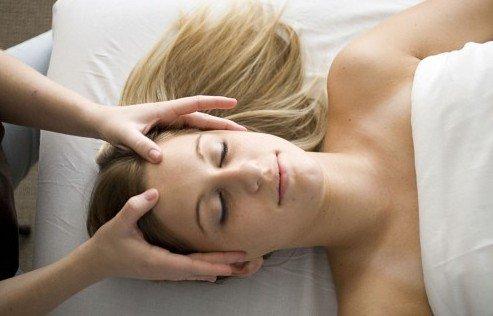
Students at massage therapy schools in Chicago learn much more than basic massage techniques. A professional program combines anatomy, physiology, kinesiology, pathology, hands-on massage practice, client communication, ethics, safety, and professional skills needed for a career in massage therapy.
Illinois requires applicants for massage therapy licensure to complete an approved program with at least 600 clock hours of supervised classroom and hands-on instruction and pass an approved competency examination. State requirements also identify specific areas of study that approved programs must cover.
Key Takeaways
- Massage therapy education combines classroom learning with supervised hands-on practice.
- Students study anatomy, physiology, pathology, and kinesiology.
- Massage technique courses cover multiple forms of therapeutic bodywork.
- Programs teach safety, contraindications, ethics, documentation, and professional communication.
- Clinical training helps students apply classroom knowledge in practical settings.
- Illinois requires at least 600 hours of approved massage therapy education for applicants subject to the current requirement.
What Subjects Are Taught in Chicago Massage Therapy Programs?
Students generally study both human sciences and massage therapy practice. The curriculum is designed to help future therapists understand how the body works and how massage techniques can be applied responsibly. Illinois' minimum curriculum specifically includes:
- Human anatomy
- Physiology
- Pathology
- Kinesiology
- Massage therapy theory and technique
- Contraindications and precautions
- Body mechanics
- Client data collection and documentation
- Ethics and professional standards
- Business and legal considerations
- Therapeutic communication
These requirements create a foundation that goes beyond simply learning how to perform massage strokes.
How Does Anatomy Help Future Massage Therapists?
Anatomy teaches students where muscles, bones, joints, connective tissues, and other structures are located. This knowledge helps future therapists understand what they are working with during a massage session.
Kinesiology adds another important layer by examining movement and how muscles and joints function. Together, anatomy and kinesiology can help students develop a more informed approach to assessing movement and selecting appropriate techniques.
For someone interested in therapeutic massage in Chicago IL, this scientific foundation is particularly important because professional massage involves more than memorizing a sequence of strokes.
Which Massage Techniques Do Students Practice?
Students learn massage theory, techniques, and supervised practice as part of their education. Illinois' approved-program requirements specifically identify techniques such as gliding, kneading, compression, friction, percussion, vibration, pressure, stretching, rocking, and related methods. Depending on the school's curriculum, students may encounter approaches such as:
- Swedish massage
- Deep tissue techniques
- Myofascial techniques
- Trigger-point approaches
- Stretching and movement techniques
- Sports-oriented massage methods
- Other specialized modalities through additional education
The purpose of training is not simply to collect techniques. Students learn when and how different techniques may be appropriate and how to adapt a session to the client's needs.
Why Do Massage Students Study Pathology and Contraindications?
Pathology and contraindications help students recognize situations in which massage may need to be modified, postponed, or avoided. This training is an important part of client safety.
Students learn to consider factors such as medical conditions, physical limitations, medications, symptoms, and other relevant information during the intake process. Illinois specifically requires approved programs to cover contraindications, benefits, universal precautions, client data collection, documentation, and professional standards. This education also reinforces an important professional boundary: massage therapists must work within their training and scope rather than attempting to diagnose or replace medical care.
What Happens During Hands-On Massage Training?
Hands-on training gives students an opportunity to turn classroom knowledge into practical skills under supervision. Illinois requires supervised classroom and hands-on instruction, with the overall approved-program minimum set at 600 clock hours. A practical learning experience may involve:
- Preparing the treatment space
- Practicing positioning and draping
- Performing massage techniques
- Applying appropriate pressure
- Communicating with a client
- Adjusting techniques based on feedback
- Documenting relevant session information
- Receiving instructor feedback
This practical component is essential because massage therapy is a hands-on profession.
How Do Students Learn Client Communication and Professional Ethics?
Students also learn how to communicate professionally before, during, and after a session. Effective communication helps establish expectations, obtain relevant information, explain the treatment approach, and respond appropriately to client feedback.
Ethics training addresses professional boundaries, confidentiality, informed interactions, appropriate conduct, and responsibilities toward clients. Illinois' curriculum requirements specifically include ethics, business and legalities of massage, professional standards, draping and modesty, therapeutic relationships, and communication.
Do Massage Therapy Schools Teach Business Skills?
Yes. Professional preparation can include business and legal concepts because graduates may eventually work in clinics, wellness centers, spas, fitness settings, corporate environments, or independent practices. Students can benefit from understanding areas such as:
- Professional standards
- Client documentation
- Scheduling
- Communication
- Workplace expectations
- Legal responsibilities
- Continuing education
- Professional development
Illinois also requires licensed massage therapists to complete continuing education for license renewal, including ethics education under the current administrative rules.
How Does Student Clinic Experience Prepare Graduates for Clients?
Student clinics provide an important bridge between classroom learning and professional practice. Students can perform massage under instructor supervision while developing practical skills and learning how to interact with real clients.
For example, the student teaching clinic associated with The New School for Massage provides supervised student treatments. Students are able to provide at least Swedish relaxation massage, while the availability of additional techniques depends on their level of training. This illustrates why clinical exposure can be valuable: students learn to apply techniques while receiving guidance from instructors.
What Should Students Look For in a Chicago Massage Therapy School?
Prospective students should evaluate more than tuition or location. A useful comparison should include the program's curriculum, supervised practice, instructors, clinical opportunities, schedule, facilities, and preparation for Illinois licensure.
|
Factor |
Why It Matters |
|
Approved curriculum |
Helps ensure required education is covered |
|
Hands-on training |
Builds practical massage skills |
|
Anatomy and kinesiology |
Supports understanding of body structure and movement |
|
Clinical experience |
Provides supervised real-world practice |
|
Qualified instructors |
Supports effective technical learning |
|
Ethics and communication |
Develops professional client-care skills |
|
Licensing preparation |
Helps students understand the path toward professional practice |
Illinois rules also require approved programs to maintain structured plans of study, course outlines, student records, qualified faculty, and appropriate supervision.
How Does Massage School Prepare Someone for Therapeutic Massage?
A well-rounded education prepares students to combine scientific knowledge, technical skills, communication, and professional judgment. This foundation can be especially relevant for future therapists interested in therapeutic massage, where clients may seek massage for relaxation, wellness, muscle tension, or specific treatment goals.
Students should remember that graduation and licensure do not represent the end of learning. Massage therapists can continue developing their skills through additional training and continuing education.
Explore Massage Education and Clinical Experience in Chicago
Students and clients interested in learning more about massage education and supervised clinical experiences can explore River North Massage Therapy Center, which is affiliated with The New School for Massage. The center's current site describes student massage treatments performed under instructor supervision, as well as professional and graduate-level services.
Explore River North Massage Therapy Centerto learn more about its massage services, student clinic information, and connection with The New School for Massage.
FAQs
1. How many hours of massage therapy education are required in Illinois?
For applicants subject to the current requirement, Illinois requires completion of an approved massage therapy program with at least 600 clock hours of supervised classroom and hands-on instruction.
2. Do massage therapy students learn anatomy?
Yes. Anatomy, physiology, pathology, and kinesiology are specifically included among the minimum subject areas for approved Illinois massage therapy programs.
3. Is hands-on practice part of massage school?
Yes. Illinois requires supervised hands-on instruction as part of an approved massage therapy program.
4. Do students learn how to work with different massage techniques?
Yes. Students study massage theory, techniques, and practice, including methods such as gliding, kneading, compression, friction, percussion, vibration, pressure, stretching, and other techniques identified by the state requirements.
5. Why is pathology included in massage therapy education?
Pathology helps students understand health conditions and recognize circumstances that may affect whether or how massage should be performed. It supports safer professional decision-making.
6. Does massage school prepare students for professional practice?
Yes. In addition to massage techniques and body sciences, Illinois' required curriculum includes ethics, documentation, communication, professional standards, business and legal considerations, and client relationships.

 English
 Arabic
 French
 Spanish
 Portuguese
 Turkish
 Dutch
Dutch
 Italiano
 Russian
 Romaian
 Portuguese (Brazil)
 Greek
Greek
 Bengali