


What Determines Gasoline Engine Power?
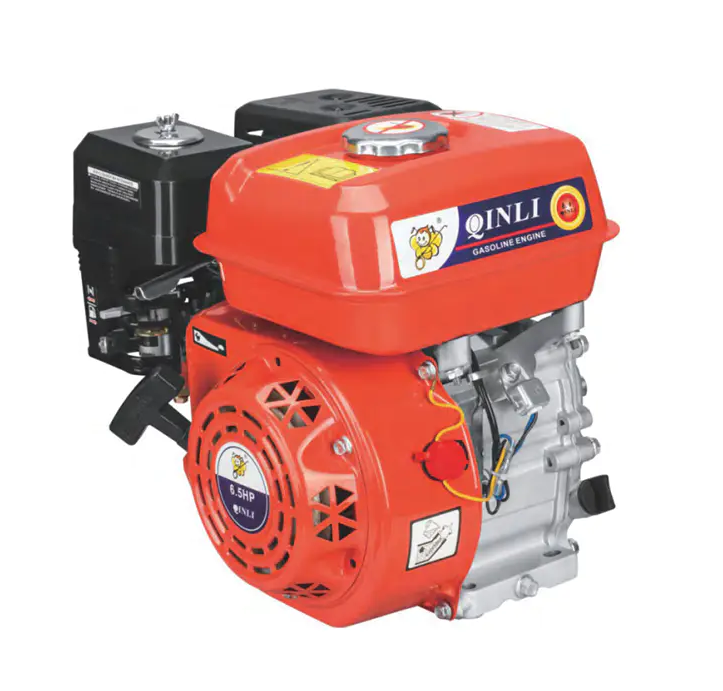
Turn a key, press a button, or pull a starter, and a gasoline engine begins a surprisingly complicated sequence. Fuel and air enter the combustion chamber, ignition starts the burn, and expanding gases push the piston downward. This movement becomes mechanical energy, which is then transferred to the crankshaft. The result is what people often describe as Gasoline Engine Power.
Although the basic principle sounds simple, several factors influence how much usable power an engine can produce. Engine displacement is one of them. A larger displacement generally allows more air and fuel to enter the cylinders during each cycle. However, displacement is only one part of the picture. Compression ratio, combustion timing, cylinder design, and air intake also affect the way an engine produces power.
Engine speed has an interesting relationship with Gasoline Engine Power. At low speed, an engine may produce strong pulling force but limited overall power. As engine speed increases, power can rise because the engine completes more combustion cycles within a given period. At a certain operating range, power reaches a peak before other factors begin to limit output.
Torque is another useful term when discussing gasoline engines. Torque describes the twisting force produced at the crankshaft, while power combines torque with rotational speed. This is why two engines with similar power figures can feel quite different during operation. One may respond quickly at lower speeds, while another may deliver its power at a higher engine speed.
The combustion process itself also matters. A balanced mixture of fuel and air supports controlled combustion inside the cylinder. The shape of the combustion chamber can influence flame movement and pressure development. Ignition timing must also match the engine's operating conditions so that combustion contributes effectively to piston movement.
For equipment manufacturers and buyers, Gasoline Engine Power is rarely considered as an isolated number. The intended application matters. A compact generator, agricultural machine, water pump, or small utility vehicle may require a different power characteristic depending on its workload.
Gasoline Engine Power ultimately comes from a chain of events that begins with fuel and air and ends at the crankshaft. Every component involved in that chain contributes to how efficiently the engine turns combustion energy into useful mechanical movement.

 English
 Arabic
 French
 Spanish
 Portuguese
 Deutsch
 Turkish
 Italiano
 Russian
 Romaian
 Portuguese (Brazil)
 Greek
Greek
 Bengali