


How Many Fire Extinguishers Do I Need? A Practical Guide for Homes and Businesses
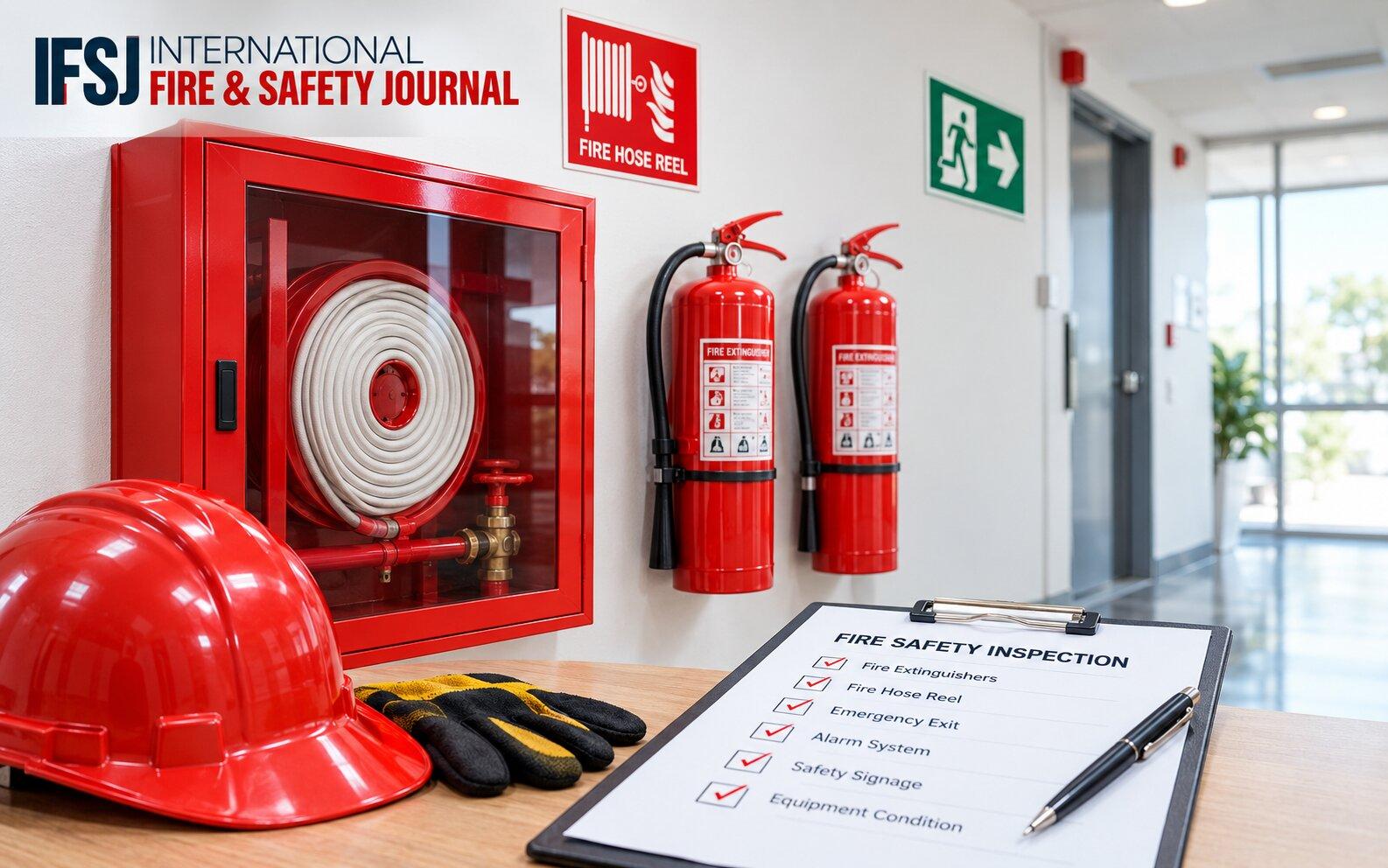
Fire extinguishers are among the most accessible pieces of fire protection equipment available. They can help control a small fire before it develops into a serious emergency, provided the extinguisher is suitable for the type of fire and the person using it can do so safely. However, simply having an extinguisher is not enough. Its location, size, type and quantity all matter.
A common question asked by homeowners, employers and property managers is how many fire extinguishers do i need? The answer depends on several factors, including the size and layout of the property, the types of fire hazards present, applicable regulations and the level of risk associated with the premises.
Why Fire Extinguisher Quantity Matters
A single extinguisher may not provide adequate coverage for a large building. Fire can spread quickly, and occupants should not have to travel a long distance through smoke or flames to reach firefighting equipment.
Extinguishers should generally be positioned where they are visible, accessible and available along normal escape routes. The objective is to provide suitable equipment within an appropriate travel distance while avoiding locations where an extinguisher could become inaccessible during a fire.
When considering how many fire extinguishers do i need, property owners should look beyond the number of rooms. The occupancy type, fire risks, floor area and extinguisher ratings can all affect the required quantity.
Start by Identifying Fire Hazards
Different fires require different extinguishing agents. Common fire classes include fires involving ordinary combustible materials, flammable liquids, gases, cooking oils and energized electrical equipment.
For example, offices may have paper, furniture and electronic equipment. Workshops can contain flammable liquids, machinery and combustible materials. Commercial kitchens have cooking oils and fats that require specially designed extinguishing equipment.
A basic water extinguisher may be appropriate for certain combustible-material fires but unsuitable for energized electrical equipment or burning cooking oil.
Therefore, the number of extinguishers should be considered together with their types and ratings.
Consider the Size and Layout of the Building
Building size is an important consideration. A small residential property may require fewer extinguishers than a large commercial facility. However, the floor area alone does not determine the requirement.
A building with several separated rooms, corridors, workshops or storage areas may need extinguishers distributed throughout the property rather than concentrated in one location.
When asking how many fire extinguishers do i need, consider whether occupants can quickly reach an appropriate extinguisher from the areas they occupy.
Large buildings may also have multiple floors. Each floor should be assessed separately, especially when different activities or hazards exist on each level.
Fire Extinguisher Ratings Are Important
Extinguisher capacity and fire rating are not the same thing. Two extinguishers of similar physical size may have different tested fire-fighting capabilities.
This means simply counting units may produce a misleading result. A risk assessment should consider the extinguisher rating, the hazards present and the area requiring protection.
For workplaces, competent fire safety professionals should assess the premises and determine suitable equipment based on the applicable standards and regulations.
Homes Require Careful Placement
Residential properties also benefit from appropriately selected fire extinguishers. A kitchen, garage, utility room and living area can present different risks.
For example, cooking areas can involve hot oils and fats, while garages may contain fuels, paints or other flammable materials.
A homeowner considering how many fire extinguishers do i need should therefore identify the most likely fire hazards instead of purchasing several identical extinguishers without assessing their suitability.
Extinguishers should also never replace smoke alarms, escape planning or other important fire safety measures.
Businesses Need a More Structured Assessment
Commercial premises generally have greater complexity. Offices, retail stores, warehouses, hotels, schools, manufacturing facilities and healthcare buildings can all have significantly different fire risks.
Employers should consider the number of employees, visitors, vulnerable occupants, working processes, storage arrangements and building configuration.
Fire extinguishers should be accessible without creating additional hazards. They should also be clearly identified and maintained according to applicable requirements.
Placement and Accessibility
An extinguisher that is hidden behind boxes or stored inside a locked room may be effectively unavailable during an emergency.
Units should generally be mounted or positioned in clearly identified locations where they can be reached quickly. They should not obstruct escape routes or be placed where people may struggle to access them during a fire.
Regular inspections can identify blocked access, damaged equipment, missing safety pins, pressure issues or other problems.
Maintenance Is Just as Important as Quantity
Determining how many fire extinguishers do i need is only one part of fire protection. Equipment must remain ready for use.
Extinguishers should be inspected and maintained in accordance with the manufacturer's instructions and applicable local requirements. Any extinguisher showing signs of damage, corrosion, leakage or other defects should receive professional attention.
Employees should also understand that extinguishers are intended for controlling small, developing fires where it is safe to do so. Evacuation should remain the priority whenever a fire cannot be safely controlled.
Training Employees
A workplace may have correctly positioned extinguishers but still be unprepared if employees do not know what to do.
Fire safety training can help employees recognize alarms, identify escape routes, understand extinguisher limitations and respond appropriately during an emergency.
Training should emphasize that people should never put themselves at unnecessary risk to save property.
Review Fire Protection Regularly
Buildings change over time. New equipment may be introduced, storage areas may be expanded and occupancy levels may increase. These changes can alter fire risks.
Consequently, the original assessment should be reviewed whenever significant changes occur.
Resources from International Fire & Safety Journal can also help professionals and organizations stay informed about fire prevention, safety practices, technology and industry developments.
Conclusion
There is no universal number that applies to every property. The answer to how many fire extinguishers do i need depends on factors such as building size, occupancy, hazards, extinguisher ratings, travel distances and applicable regulations.
Rather than selecting a quantity based solely on square footage, property owners should conduct an appropriate fire risk assessment and use competent guidance where necessary. Correct extinguisher selection, placement, maintenance and training are all essential parts of an effective fire safety strategy.

 English
 Arabic
 French
 Portuguese
 Deutsch
 Turkish
 Dutch
Dutch
 Italiano
 Russian
 Romaian
 Portuguese (Brazil)
 Greek
Greek
 Bengali